
Chicken Piccata
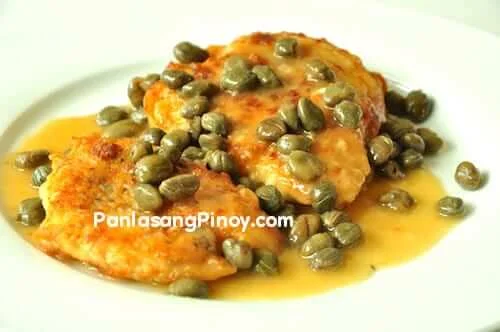
Chicken piccata pairs lightly floured chicken with a buttery lemon-and-caper pan sauce. It comes together quickly, making it a good choice for a weeknight meal that still feels special.
Ingredients
- 907 g (2 lbs.)flat boneless chicken breasts, cleaned
- 60 g (1/2 cup)plain flour
- 5 teaspoonsgrated Parmesan cheese
- 60 ml (4 tablespoons)bottled capers
- 1 teaspoonparsley flakes (optional)
- Juice of half a lemonlemon juice
- 120 ml (1/2 cup)chicken broth
- 60 ml (1/4 cup)extra-virgin olive oil
- 57 g (1/4 cup)salted butter
- To tasteground black pepper
- To tastesalt
Instructions
- 1
Mix the coating
In a mixing bowl, combine the Parmesan and flour. Add salt and pepper, then mix thoroughly.
- 2
Coat the chicken
Dredge the flat chicken breast slices in the flour mixture until coated.
- 3
Heat the fat
Melt half the butter in a pan, then pour in the olive oil.
- 4
Fry the chicken
Once the mixture is hot, pan-fry the coated chicken breasts for 3 to 4 minutes per side. Transfer them to individual plates.
- 5
Boil the broth
After all the chicken has been fried, pour the chicken broth into the same pan and bring it to a boil.
- 6
Finish the sauce
Add the lemon juice and capers, stirring and scraping up the flour left in the pan. Add the remaining butter and cook for 2 minutes. Season with ground black pepper to taste.
- 7
Sauce and garnish
Pour the sauce over the fried chicken breasts and garnish with parsley flakes.
- 8
Serve the chicken
Serve the chicken piccata.
What is chicken piccata?
Piccata is an Italian-style preparation in which thin pieces of meat are served with a sharp, savoury pan sauce, often featuring lemon and capers. Chicken piccata is a popular variation, with the chicken taking the place of the traditional veal.
This version gets its coating from flour mixed with Parmesan, then uses the same pan for a quick butter, broth, lemon and caper sauce. Cooking the sauce in the pan used for the chicken helps it pick up the browned bits left behind.
Nutrition and macros by portion
The nutrition label shows one serving as written: 600 calories, 58g protein, 13g carbs, 37g fat.
| Portion | Adjustment | kcal | Protein | Carbs | Fat |
|---|---|---|---|---|---|
| Lighter | Use less butter and oil | 420 kcal | 41g | 9g | 26g |
| This serving | As written | 600 kcal | 58g | 13g | 37g |
| Hungry | Serve with extra potatoes | 900 kcal | 87g | 20g | 56g |
The chicken provides most of the protein, while the flour contributes carbohydrates. Olive oil, butter and Parmesan account for much of the fat; capers, broth and salted butter contribute sodium. Pair a serving with plenty of vegetables and a moderate portion of potatoes, rice or pasta to round out the plate.
The Parmesan coating
Flour: the light coating helps the chicken brown and gives the pan sauce a little body when the broth is added.
Parmesan: grated cheese adds savoury flavour to the flour. Mix it evenly through the coating so it does not collect in patches on the chicken.
Cooking the chicken
Even slices: flat pieces cook more evenly than thick, uneven breasts. If needed, make sure the slices are of similar thickness before coating.
Pan space: fry in batches if the chicken does not fit comfortably in the pan. Crowding can make the coating steam rather than brown.
Building the lemon-caper sauce
Pan residue: after frying, add the broth to the same pan and scrape up the flour and browned bits as the liquid boils. These help flavour and thicken the sauce.
Butter and lemon: stir in the remaining butter and lemon juice, then cook for 2 minutes as directed. The capers bring a salty, tangy contrast, so taste before adding extra seasoning.
How to tell when it is ready
Chicken: cook each piece for 3 to 4 minutes per side, as the method specifies. Check the thickest piece is cooked through before serving.
Sauce: after its 2-minute cook, it should be glossy and coat the back of a spoon lightly. Scrape the pan while stirring to incorporate the residue.
Serving ideas
Serve the chicken with the sauce spooned over the top while it is hot. Parsley flakes make a simple finish, while extra lemon can be offered at the table.
For a balanced plate, add a generous serving of vegetables and choose a modest portion of a starchy side such as potatoes, rice or pasta.
Recipe notes & tips
- Pat the chicken dry before dredging so the flour coating adheres evenly.
- Shake off excess flour before placing each piece in the pan.
- Let the pan and oil heat before adding the chicken for better browning.
- Fry in batches when needed to avoid overcrowding the pan.
- Taste the sauce before adding extra salt, as capers and salted butter are already savoury.
- Serve soon after saucing so the coating does not soften too much.
Variations
- Add garlic: briefly cook a finely chopped clove in the pan before adding the broth.
- Use fresh parsley: finish with chopped fresh parsley instead of parsley flakes.
- Make it more lemony: serve with extra lemon wedges for squeezing at the table.
- Add white wine: replace some of the broth with dry white wine and let it boil before finishing the sauce.
- Try chicken thighs: use boneless thighs and adjust the cooking time until they are cooked through.
Common mistakes to avoid
- Uneven chicken pieces: pound or slice them to a similar thickness so they cook at the same rate.
- Too much flour: shake off the excess before frying to avoid a heavy coating.
- Crowded pan: cook in batches so the chicken fries rather than steams.
- Skipping the pan scrape: stir and scrape after adding broth to lift the flavourful residue into the sauce.
- Over-seasoning early: taste after adding capers and salted butter before adding more salt.
- Leaving the chicken in the pan: transfer it to plates as directed so it does not overcook while the sauce is made.
How to store
Refrigerate leftovers in an airtight container for up to 3 days. Reheat gently in a covered pan over low heat, adding a small splash of broth if the sauce has thickened; avoid prolonged heating, which can dry out the chicken.
Frequently asked questions
Can I make chicken piccata ahead of time?
It is best served freshly cooked, but you can prepare the ingredients in advance. If making the whole dish ahead, store it chilled and reheat gently so the chicken stays tender.
Can I use chicken that is not already flat?
Yes. Slice thicker breasts horizontally or flatten them to an even thickness before dredging so they cook at a similar rate.
Can I use fresh capers instead of bottled capers?
Yes, use the same amount. If the capers are packed in brine, drain them before adding them to the sauce.
Why is my sauce lumpy?
The flour left in the pan can clump if it is not stirred into the broth. Pour in the broth while scraping and stirring the pan.
What can I serve with chicken piccata?
It works well with pasta, rice or potatoes, alongside green vegetables or a crisp salad.
Can I leave out the parsley flakes?
Yes. The parsley is optional and is used as a garnish, so leaving it out will not change the cooking method.
Cook it from the original
This recipe comes from panlasangpinoy.com. Their page has the author’s own photos, notes and tips — the best place to cook it from.
Open the recipe on panlasangpinoy.com