
Chinese Sweet and Sour Spare Ribs Recipe
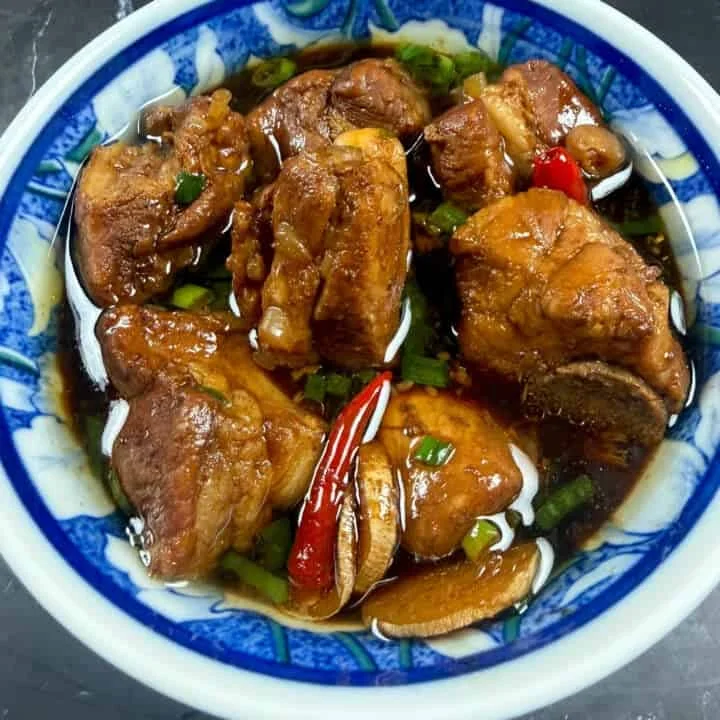
These Chinese sweet and sour spare ribs are simmered with soy sauce, vinegar, rice wine, garlic and brown sugar until tender and coated in a glossy sauce. Choose long individual ribs or shorter Chinese-style pieces, then serve them hot with steamed rice.
Ingredients
- 454 g (1 pound)pork spare ribs, left as long individual ribs or cut crosswise into 2.5–5 cm (1–2-inch) pieces
- as neededwater
- 2 tablespoonscooking oil
- 2 tablespoonsbrown sugar
- 5 clovesgarlic, smashed
- 2 tablespoonsmichiu or Chinese rice cooking wine
- 1 tablespoonlight soy sauce
- 1 tablespoondark soy sauce
- 3 tablespoonsunseasoned rice vinegar or Chinese black vinegar
- 2red chilli peppers, chopped, optional
- 2spring onions, cut into 2.5 cm (1-inch) pieces
Instructions
- 1
Blanch the ribs
Put the ribs in a pot and add enough water to cover. Bring to the boil and cook for 2–3 minutes, then drain away the water. Briefly rinse the ribs, checking cut pieces for loose bone fragments, and drain well.
- 2
Melt the sugar
Warm the cooking oil in a wok or deep pan over low heat. Add the smashed garlic and brown sugar, stirring often for about 1 minute until the sugar starts to melt. Take care not to burn it.
- 3
Season the ribs
Add the ribs and turn them in the sugar mixture to coat. Pour in the michiu, light and dark soy sauces, vinegar and chopped red chillies, if using, then stir well.
- 4
Simmer the ribs
Add enough hot water to almost cover the ribs and bring to the boil over higher heat. Lower the heat to medium-low and cover. Simmer cut 2.5–5 cm (1–2-inch) ribs for 25–35 minutes, or longer ribs for 35–45 minutes, stirring occasionally, until tender.
- 5
Reduce the sauce
Remove the lid and raise the heat to medium or medium-high. Cook for a further 5–10 minutes, stirring frequently, until the liquid has reduced to a thick, glossy sauce that coats the ribs.
- 6
Add spring onions
Stir in the spring onions, then turn off the heat. Serve hot with steamed white rice.
What are sweet and sour spare ribs?
糖醋排骨, or sweet and sour spare ribs, is a Chinese braised pork dish built around the balance of vinegar, sugar and savoury seasonings. This version combines soy sauces, rice wine, garlic and brown sugar in a pan sauce.
The method makes the most of either long individual ribs or shorter Chinese-style pieces. A brief blanch helps clear the cooking liquid before the ribs are simmered until tender.
Nutrition and macros by portion
The nutrition label shows one serving as written: 472 calories, 20g protein, 23g carbs, 34g fat.
| Portion | Adjustment | kcal | Protein | Carbs | Fat |
|---|---|---|---|---|---|
| Lighter | Smaller rib portion | 330 kcal | 14g | 16g | 24g |
| This serving | As written | 472 kcal | 20g | 23g | 34g |
| Hungry | Extra rice and ribs | 708 kcal | 30g | 35g | 51g |
The ribs provide most of the protein and fat, while the brown sugar and rice served alongside contribute carbohydrates. Pair a serving with steamed rice and a generous portion of vegetables to round out the plate.
Choosing the ribs and seasonings
Rib cuts: Long ribs and cross-cut pieces both work, but they need different simmering times. Start checking the smaller pieces earlier, as they may become tender before long ribs do.
Vinegar and soy: Unseasoned rice vinegar gives a clean tang, while Chinese black vinegar brings a deeper flavour. Light and dark soy sauce are used together for savoury seasoning and colour.
Blanching before braising
The first boil is brief: cook the ribs for 2–3 minutes, then discard the water. Rinse the pieces and check cut ribs for loose bone fragments before draining them well.
Dry ribs help the oil and sugar mixture cling more evenly. Let excess water drain away before adding them to the pan.
Melting the sugar gently
Keep the heat low when cooking the garlic and brown sugar in oil, and stir often. The sugar only needs to start melting before you add the ribs and liquids.
Burnt sugar can make the sauce taste bitter, so do not leave the pan unattended at this stage. If the garlic begins to darken quickly, lower the heat.
How to tell when the ribs are done
Tenderness: The ribs should be easy to bite through after simmering, but the exact time depends on their size. Use the longer timing for long ribs and the shorter range for cut pieces.
Sauce: Once the ribs are tender, uncover the pan and reduce the liquid for 5–10 minutes. Stir frequently and stop when the sauce is glossy and coats the ribs rather than pooling thinly.
Serving and timing
Serve the ribs hot with steamed white rice, which pairs well with the tangy-sweet sauce. Add the spring onions right at the end so they retain some freshness.
Allow up to 60 minutes overall, including blanching, simmering and reducing. The shorter ribs simmer for 25–35 minutes; long ribs need 35–45 minutes.
Recipe notes & tips
- Cutting the ribs into shorter pieces makes them easier to serve and gives you the shorter simmering-time option.
- Check cut ribs for loose bone fragments after blanching and rinsing.
- Use hot water for the braise so the pan can return to a simmer promptly.
- Stir occasionally while the ribs simmer to help them cook evenly.
- Keep stirring as the sauce reduces, since its sugar can catch on the bottom of the pan.
- Leave out the chillies for a milder sauce.
Variations
- Use black vinegar: Choose Chinese black vinegar for a deeper tang than rice vinegar.
- Adjust the heat: Omit the red chillies for a milder dish or include them for extra warmth.
- Choose long ribs: Keep the ribs whole and use the 35–45-minute simmering time.
- Cut the ribs smaller: Use 2.5–5 cm (1–2-inch) pieces and begin checking at 25 minutes.
- Serve with greens: Add a simple side of cooked greens alongside the rice and ribs.
Common mistakes to avoid
- Boiling too long at the blanch: Keep it to 2–3 minutes, then drain and rinse the ribs.
- Burning the sugar: Use low heat and stir frequently while it begins to melt.
- Adding too little water: Add enough hot water to almost cover the ribs for the covered simmer.
- Using one timing for every cut: Simmer shorter pieces for 25–35 minutes and long ribs for 35–45 minutes, checking tenderness.
- Reducing without stirring: Stir frequently during the final 5–10 minutes so the sauce does not catch.
- Stopping while the sauce is thin: Continue reducing until it turns glossy and coats the ribs.
How to store
Refrigerate leftovers in a covered container and use within 3 days. Reheat gently in a covered pan until hot throughout, adding a splash of water if the sauce has become too thick.
Frequently asked questions
Can I use long spare ribs instead of cut pieces?
Yes. The recipe allows for long individual ribs; simmer those for 35–45 minutes, checking that they are tender before reducing the sauce.
Can I use Chinese black vinegar?
Yes. The recipe gives unseasoned rice vinegar and Chinese black vinegar as alternatives. Either works in the same amount.
Do I have to add the red chillies?
No, they are optional. Leave them out if you prefer a milder sauce.
How do I know when the sauce is ready?
After reducing for 5–10 minutes, it should look glossy and cling to the ribs. Stir often as it thickens.
What should I serve with the ribs?
Serve them hot with steamed white rice, as suggested in the method. A side of vegetables can complete the meal.
Cook it from the original
This recipe comes from ohsnapletseat.com. Their page has the author’s own photos, notes and tips — the best place to cook it from.
Open the recipe on ohsnapletseat.com