
Bulgogi - Authentic Korean BBQ Beef Recipe
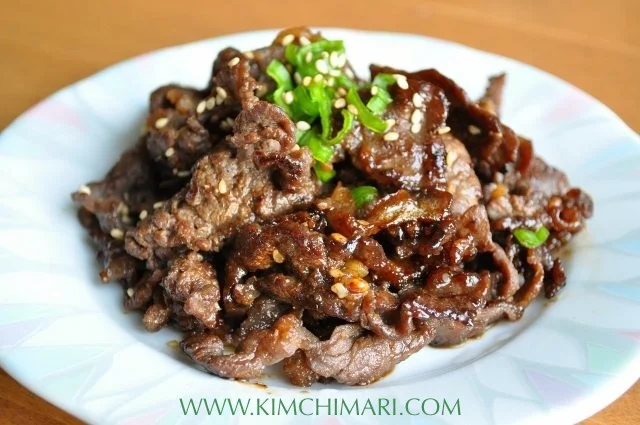
Bulgogi is thinly sliced Korean beef coated in a savoury-sweet marinade, then quickly cooked in a hot pan. This family-style version is a practical way to bring its garlic, sesame and pear flavours to the table without a barbecue.
Ingredients
- 454 g (1 lb)thinly sliced sirloin (top sirloin or another tender loin cut)
- 3 Tbspsoy sauce
- 2 Tbsplight brown sugar (white sugar is also fine)
- 1 Tbsphoney (or 2 tsp sugar)
- 2 Tbsprice cooking wine or red wine (mirin also works)
- 1 Tbspsesame oil
- 2 Tbspminced garlic
- 1 tspground black pepper
- 2 tsptoasted sesame seeds
- 1 Tbspchopped spring onion
- 2 Tbsppear purée (or 1 Tbsp kiwi purée or 3 Tbsp onion purée)
Instructions
- 1
Mix the marinade
Combine all the marinade ingredients in a bowl, leaving out any optional vegetables such as onions or mushrooms.
- 2
Coat the beef
Put the beef in a bowl large enough to hold it, then add the marinade. Use your hands to massage the mixture into the beef so it is evenly coated.
- 3
Pan-fry the beef
Heat a frying pan over high heat. Pan-fry or stir-fry the beef until it is lightly browned on both sides.
What is bulgogi?
Bulgogi, meaning “fire meat”, is a Korean dish of thinly sliced beef cooked after being seasoned or marinated. It is often associated with grilling, but a hot frying pan makes it easy to prepare at home.
This version combines soy, sugar, honey, wine, sesame, garlic and pear purée. The pear adds fruitiness to the marinade, while the thinly sliced beef cooks quickly.
Nutrition and macros by portion
The nutrition label shows one serving as written: 249 calories, 26g protein, 13g carbs, 8g fat.
| Portion | Adjustment | kcal | Protein | Carbs | Fat |
|---|---|---|---|---|---|
| Lighter | More vegetables, less rice | 174 kcal | 18g | 9g | 6g |
| This serving | As written | 249 kcal | 26g | 13g | 8g |
| Hungry | Add a larger rice portion | 374 kcal | 39g | 20g | 12g |
The beef supplies most of the protein, while the sugar, honey and pear purée contribute carbohydrates. Sesame oil and seeds add fat; serve the beef with vegetables and a measured portion of rice for a balanced plate.
Choosing the beef
Tender cut: Sirloin or another tender loin cut suits the short cooking time. Thin, even slices are important so the beef cooks quickly without needing a long braise.
Slicing: If slicing the beef yourself, chilling it briefly can make it easier to cut thinly. Aim for slices of similar thickness so they finish cooking at around the same time.
Building the marinade
Sweet and savoury: Soy sauce provides the savoury base, balanced here by brown sugar and honey. Rice cooking wine, red wine or mirin adds another layer of flavour.
Fruit: Pear purée is the recipe’s fruit choice; kiwi or onion purée are listed alternatives. Mix the marinade thoroughly before adding the beef so the seasonings are evenly distributed.
Coating the meat
Hands-on mixing: Massage the marinade into the slices as directed, separating any pieces that are stuck together. This helps coat the beef throughout rather than leaving some slices bare.
Keep it contained: Use a bowl large enough to mix without spilling. Wash your hands and any surfaces that have touched raw beef before handling cooked food.
Cooking in a hot pan
High heat: Preheat the pan over high heat, then cook the beef until lightly browned on both sides. The recipe does not specify a cooking time, so use the colour and doneness of the slices as your guide.
Room to brown: Cook in batches if the pan is crowded. Too much beef at once can release liquid and make it harder for the slices to brown.
What to serve with bulgogi
Rice: Serve the beef with steamed rice to catch the savoury-sweet juices. A bowl of rice also makes the meal more substantial.
Fresh sides: Add crisp vegetables or a simple salad for contrast. If using optional onions or mushrooms, the method says to keep them out of the marinade mixture; cook them separately or alongside the beef in the pan.
Recipe notes & tips
- Separate the beef slices as you mix so the marinade reaches each piece.
- Have the pan hot before adding the beef to encourage browning.
- Cook in batches if the slices would otherwise cover the pan in a thick layer.
- Use pear, kiwi or onion purée as the fruit or vegetable option listed in the recipe.
- Keep the sesame seeds and spring onion ready to add with the marinade.
Variations
- Use mirin: Replace the rice cooking wine or red wine with mirin, as suggested in the ingredient list.
- Swap the purée: Use 1 Tbsp kiwi purée or 3 Tbsp onion purée instead of pear purée.
- Choose white sugar: Use white sugar in place of the light brown sugar.
- Skip the honey: Use 2 tsp sugar instead of the tablespoon of honey.
- Add vegetables: Include onions or mushrooms as optional additions, keeping them out of the marinade mixture.
Common mistakes to avoid
- Uneven coating: Separate stuck slices and massage the marinade through the beef.
- Crowding the pan: Cook the beef in batches so the slices have room to brown.
- Starting with a cool pan: Heat the pan over high heat before adding the meat.
- Using thick slices: Slice the beef thinly so it can cook quickly as intended.
- Handling cooked beef after raw beef: Wash hands and utensils before using them with cooked food.
How to store
Refrigerate cooked bulgogi in a covered container and use within 3 days. Reheat until steaming hot, stirring or turning the beef so it heats evenly.
Frequently asked questions
Can I use another cut of beef?
Yes. The recipe suggests top sirloin or another tender loin cut. Thin slicing is important for the quick pan-cooking method.
Can I make the marinade without pear?
Yes. The listed alternatives are 1 Tbsp kiwi purée or 3 Tbsp onion purée.
Can I use mirin instead of rice cooking wine?
Yes. Mirin is given as an alternative in the ingredient list.
How do I stop the beef from steaming?
Preheat the pan over high heat and avoid piling in too much beef at once. Cook in batches if needed.
Can I add onions or mushrooms?
They can be used as optional vegetables, but the method says not to include them with the marinade ingredients. Cook them separately or alongside the beef in the pan.
Cook it from the original
This recipe comes from kimchimari.com. Their page has the author’s own photos, notes and tips — the best place to cook it from.
Open the recipe on kimchimari.com