
Homemade Ravioli Ricotta (from scratch)
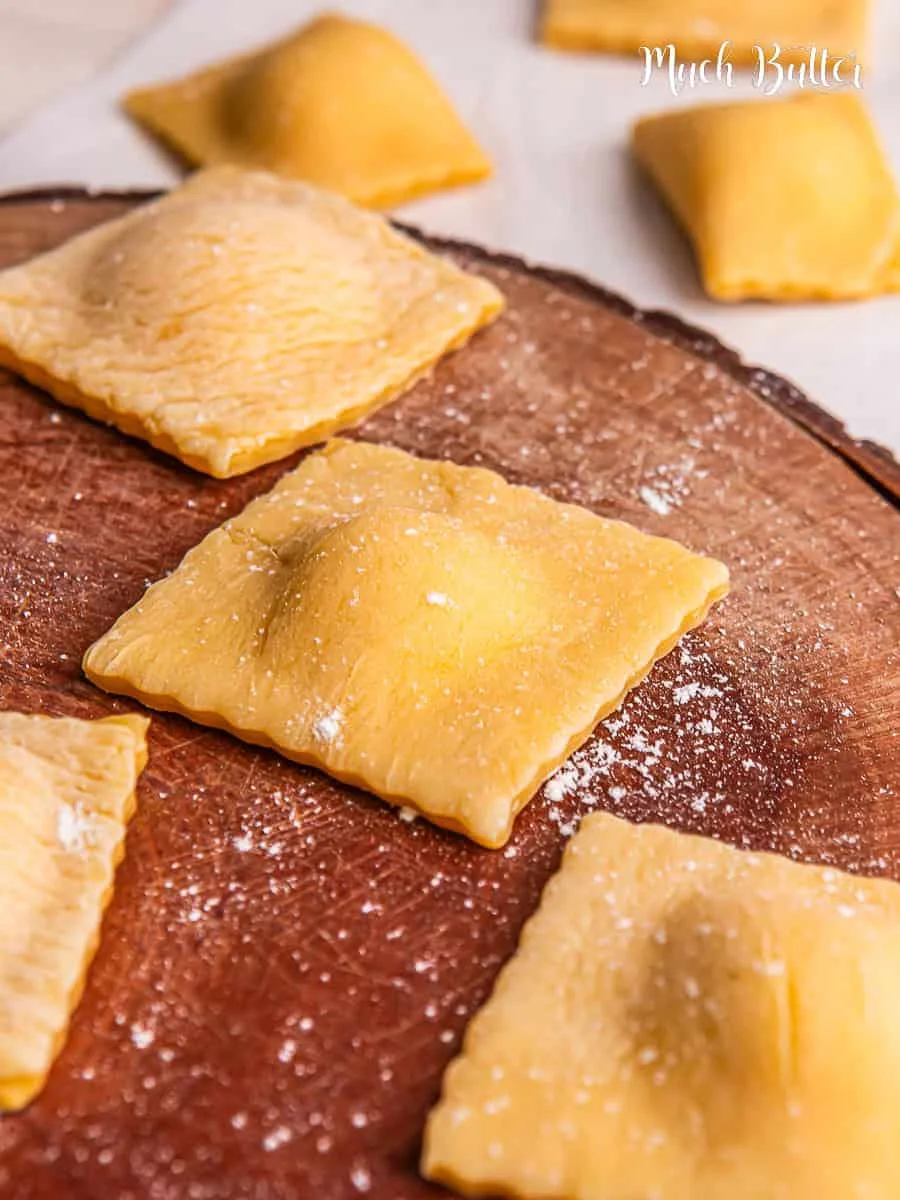
These from-scratch ravioli have a thin egg pasta casing and a simple ricotta and Parmesan filling. Making them by hand takes a little care, but the dough can be frozen so you have a homemade pasta meal ready for another day.
Ingredients
- 300 g00 flour
- 3 largeeggs, at room temperature
- as needed, optionalwater
- 200 gricotta, drained
- 15 g (3 tbsp)grated Parmesan
- ¼ tspsalt and pepper
Instructions
- 1
Make the dough
Pile the flour on your work surface and make a well in the centre. Crack the eggs into the well, beat them with a fork, then gradually work in the flour.
- 2
Adjust the dough
If the dough feels too dry, add a little water; if it is too wet, work in a little more flour. Continue until it no longer sticks to the work surface.
- 3
Knead and rest
Knead the dough for about 10 minutes, wrap it in cling film and leave it to rest at room temperature for 20 minutes.
- 4
Mix the filling
Stir the ricotta and Parmesan together, then season with salt and pepper and mix well.
- 5
Roll the pasta
Dust the work surface with flour and divide the dough into two pieces. Roll one piece with a rolling pin until it is about 1 mm thick, dusting with more flour if it begins to stick.
- 6
Add the filling
Place about 1 teaspoon of ricotta filling on the pasta sheet, leaving roughly two finger-widths between each mound. Brush water onto the pasta between the filling.
- 7
Seal and cut
Fold one side of the pasta over the filling. Press around each mound with your fingers to seal the edges and push out trapped air, then trim into 5 cm squares. Set the ravioli on flour-dusted baking parchment and repeat with the remaining pasta and filling.
- 8
Cook or freeze
Cook the ravioli straight away, or freeze them for up to 2 months.
What are ricotta ravioli?
Ravioli are filled pasta parcels associated with Italian cooking, made by sealing a filling between sheets of pasta dough. This homemade version uses a straightforward ricotta and Parmesan mixture inside egg pasta.
The simple filling lets the cheese's mild, creamy flavour come through. Rolling the dough thin and sealing it carefully helps keep each parcel delicate rather than heavy.
Nutrition and macros by portion
The nutrition label shows one serving as written: 96 calories, 6g protein, 12g carbs, 3g fat.
| Portion | Adjustment | kcal | Protein | Carbs | Fat |
|---|---|---|---|---|---|
| Lighter | Serve fewer ravioli | 67 kcal | 4g | 8g | 2g |
| This serving | As written | 96 kcal | 6g | 12g | 3g |
| Hungry | Add more ravioli | 144 kcal | 8g | 18g | 4g |
The flour supplies most of the carbohydrates, while the eggs and cheeses contribute protein and fat. Pair a serving with vegetables or a salad for a more balanced plate.
A simple egg pasta dough
00 flour: Its fine texture makes a smooth dough that is suitable for rolling into thin pasta sheets. Work in the eggs gradually so the flour hydrates evenly.
Eggs: Room-temperature eggs are easier to mix into the flour. The recipe gives water as an optional adjustment, rather than a fixed amount, because the dough can feel different depending on the flour and egg size.
Getting the dough ready
Kneading: Work the dough for about 10 minutes, until it is cohesive and no longer sticks to the surface. If it seems dry or wet, adjust it with a little water or flour as directed.
Resting: Wrap the dough and leave it at room temperature for 20 minutes. This gives it time to relax before rolling, making it easier to handle.
Keep the filling contained
Drained ricotta: Removing excess moisture helps the filling stay thick, so it is less likely to leak from the ravioli. Mix it with grated Parmesan and season with salt and pepper.
Even portions: Use about 1 teaspoon per mound and leave roughly two finger-widths between them. Brushing water between the mounds helps the pasta adhere when folded over.
Roll and seal with care
Thin sheets: Aim for pasta about 1 mm thick, adding a light dusting of flour if the sheet sticks to the work surface. A rolling pin is used here, so roll gradually and keep the sheet supported.
Air pockets: Press around each filling mound to seal the edges and push out trapped air before trimming the squares. A firm seal helps prevent the filling escaping during cooking.
Serving and cooking
These ravioli can be cooked as soon as they are made, though the method does not specify a cooking time or water quantity. Check that the pasta is tender and the filling is hot, taking care not to let the parcels break apart.
Serve them with a sauce that suits the mild cheese filling, or keep the plate simple with a little butter and herbs. A salad or cooked vegetables make an easy accompaniment.
Make-ahead and freezing
The recipe says the ravioli can be frozen for up to 2 months. Arrange them on flour-dusted baking parchment so they do not stick together, then transfer them to a sealed freezer container once firm.
Make sure the parcels are well sealed before freezing. Cook only what you need and keep the rest frozen.
Recipe notes & tips
- Drain the ricotta well before mixing the filling.
- Keep the unused dough covered while you roll the first piece so it does not dry out.
- Dust the surface lightly when needed; too much loose flour can make the pasta harder to seal.
- Keep the filling mounds evenly sized to make parcels that cook at a similar rate.
- Press around each mound to remove air before trimming the ravioli.
Variations
- Add herbs: Mix finely chopped parsley into the ricotta filling.
- Use pecorino: Replace the Parmesan with finely grated pecorino for a sharper, saltier filling.
- Add lemon: Stir a little finely grated lemon zest into the cheese mixture for a fresh note.
- Season the sauce: Serve with a tomato sauce or a simple butter sauce to complement the filling.
Common mistakes to avoid
- Wet filling: Drain the ricotta well so excess moisture does not weaken the pasta seals.
- Sticky dough: Dust the work surface with flour as needed and adjust the dough with a little more flour if it is too wet.
- Dry dough: Add water a little at a time until the dough is no longer too dry to work.
- Overfilling: Stick to about 1 teaspoon per mound so the edges can close securely.
- Trapped air: Press around the filling before cutting to push out air and seal the parcels.
How to store
Freeze the ravioli for up to 2 months, as directed in the recipe. Keep them on flour-dusted baking parchment so they do not stick, then store them in a sealed freezer container.
Frequently asked questions
Can I make the ravioli dough ahead?
The method includes a 20-minute rest at room temperature. For longer storage, the recipe specifically gives freezing the finished ravioli as an option.
How thin should I roll the pasta?
Roll it to about 1 mm thick, dusting the surface with flour if the sheet begins to stick.
How much filling goes in each raviolo?
Use about 1 teaspoon of ricotta filling for each mound, with roughly two finger-widths between mounds.
Why do I brush water between the filling?
The water helps the pasta sheets stick together when folded, making it easier to seal the ravioli.
Can I freeze homemade ravioli?
Yes. The recipe says to freeze them for up to 2 months, arranged on flour-dusted baking parchment.
How long should I boil the ravioli?
The supplied method does not give a boiling time. Check for tender pasta and hot filling, and handle the parcels gently so they stay intact.
Cook it from the original
This recipe comes from muchbutter.com. Their page has the author’s own photos, notes and tips — the best place to cook it from.
Open the recipe on muchbutter.com