
Sabut Moong Daal Recipe
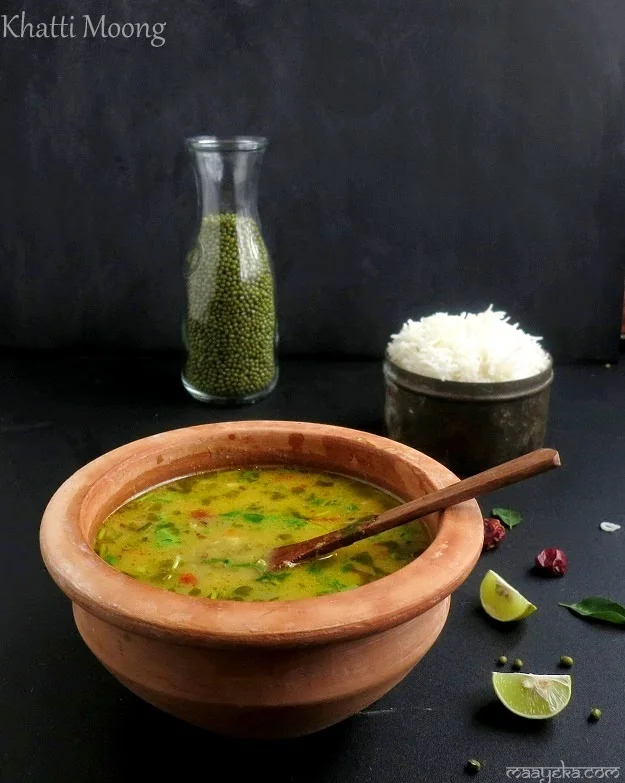
Sabut moong daal is a gently spiced Indian curry made with whole green mung beans, yoghurt and a fragrant ghee tempering. It makes a warming, savoury meal with a soft, thick texture and a bright finish from coriander and lemon.
Ingredients
- 200 g (1 cup)whole green lentils (sabut moong)
- 1.5 tbspchopped ginger (adrak)
- 120 g (½ cup)yoghurt (dahi)
- ½ tspground turmeric (haldi)
- to tastesalt (namak)
- 1 tbsplemon juice (nimbu ka ras), optional
- ½ tspsugar (chini)
- 45 ml (3 tbsp)chopped fresh coriander (hara dhaniya)
- 5kokum
- ¾ tspcumin seeds (sabut jeera)
- ¼ tspasafoetida powder (hing)
- 10curry leaves
- 2 tspchopped green chillies (hari mirch)
- 30 ml (2 tbsp)clarified butter (ghee)
- 4whole dried red chillies
- ½ tspfenugreek seeds (methidana)
Instructions
- 1
Wash and soak
Rinse the whole green lentils and soak them for at least 1 hour. Moong sprouts can also be used instead.
- 2
Warm the ghee
Add the ghee to a pressure cooker. Once warm, stir in the fenugreek seeds and cumin seeds.
- 3
Add aromatics
When the seeds begin to crackle, add the chopped green chillies, curry leaves and asafoetida.
- 4
Pressure cook lentils
Add the soaked lentils and 2 glasses of water. Pressure cook for 3–4 whistles, or until the lentils are very soft and mushy.
- 5
Mash the lentils
Open the cooker and mash the cooked lentils with a whisk.
- 6
Season the daal
Add the whisked yoghurt, a few curry leaves, sugar, salt, turmeric, kokum and chopped ginger. Break the whole dried red chillies into small pieces and add them too.
- 7
Adjust the thickness
Stir in approximately 480–600 ml (2–2½ cups) water, adjusting to the thickness you prefer.
- 8
Simmer gently
Mix well and simmer for about 15 minutes.
- 9
Finish with herbs
Stir in the fresh coriander and lemon juice, then remove the daal from the heat.
- 10
Add ghee to serve
Add 1 tsp ghee to the daal when serving.
What is sabut moong daal?
Daal is a broad family of South Asian dishes made with pulses, and sabut moong refers to whole green mung beans. This version combines them with yoghurt, warming spices and kokum for a savoury, gently tangy curry.
Whole mung beans keep their shape while cooking but become soft enough to mash. The ghee tempering adds aromatic depth, while coriander and optional lemon juice lift the finished dish.
Nutrition and macros by portion
The nutrition label shows one serving as written: 230 calories, 10g protein, 30g carbs, 9g fat.
| Portion | Adjustment | kcal | Protein | Carbs | Fat |
|---|---|---|---|---|---|
| Lighter | Use less serving ghee | 161 kcal | 7g | 21g | 6g |
| This serving | As written | 230 kcal | 10g | 30g | 9g |
| Hungry | Serve with extra rice | 345 kcal | 15g | 45g | 14g |
The mung beans provide most of the carbohydrates and some of the protein, while yoghurt adds protein and ghee supplies most of the fat. Serve a bowl with vegetables and a measured portion of rice or flatbread for a more balanced plate.
The lentils and soaking
Whole mung beans: Rinse them well and soak for at least 1 hour as directed. This gives them a head start before pressure cooking.
Sprouts: The recipe allows moong sprouts as an alternative, but gives no separate cooking time for them. Check their softness as you cook rather than relying only on the usual whistle count.
Building the tempering
Whole spices: Let the fenugreek and cumin crackle in warm ghee before adding the chillies, curry leaves and asafoetida. This briefly releases their fragrance into the cooking fat.
Heat: Add the aromatics once the seeds begin crackling, and keep an eye on them so they do not darken too much before the lentils go in.
Getting the texture right
Mash: Whisk the cooked lentils after opening the cooker to create a softer, more cohesive base. Mash more for a smoother daal or leave some whole beans for texture.
Water: Add the stated 480–600 ml gradually, choosing the amount that gives you the consistency you like. The daal can be thick or more spoonable, depending on how much water you use.
Adding yoghurt and kokum
Yoghurt: Whisk it before adding so it blends more readily into the daal. Stir it in with the seasonings, then simmer the mixture as the method directs.
Kokum: These dried fruits contribute a tangy note alongside the yoghurt. Lemon juice is optional and goes in at the end, so you can leave it out if the daal already tastes bright enough.
Timing and doneness
Pressure cooking: Cook for 3–4 whistles, or until the lentils are soft and mushy. The stated whistle count is a guide; softness is the key cue in the recipe.
Final simmer: Allow about 15 minutes after adding the yoghurt and seasonings. Stir in coriander and lemon juice only at the end, then take the pan off the heat.
What to serve with it
Serve the daal with rice or flatbread to make a more substantial meal. A simple vegetable side can add freshness and variety alongside its soft, rich texture.
The recipe finishes each serving with ghee. Add it at the table if you would like to adjust the richness individually.
Recipe notes & tips
- Soak the whole mung beans for at least 1 hour before pressure cooking.
- Wait for the cumin and fenugreek seeds to crackle before adding the aromatics.
- Whisk the yoghurt before stirring it into the daal.
- Add the water gradually so you can stop when the consistency suits you.
- Taste before adding optional lemon juice, as kokum already brings tang.
- Finish with the fresh coriander just before serving.
Variations
- Use sprouts: Substitute moong sprouts for the whole mung beans, checking carefully for tenderness as they cook.
- Adjust the chilli: Reduce or increase the green and dried chillies to suit your preferred heat.
- Skip the lemon: Leave out the optional lemon juice for a milder tang.
- Make it smoother: Whisk the cooked lentils more thoroughly for a more uniform texture.
- Add more greens: Serve with a side of cooked vegetables for extra colour and variety.
Common mistakes to avoid
- Skipping the soak: Soak the lentils for at least 1 hour before pressure cooking, as directed.
- Adding aromatics too soon: Wait until the cumin and fenugreek crackle before adding the chillies and curry leaves.
- Leaving the lentils firm: Cook until they are soft and mushy, rather than relying on the whistle count alone.
- Adding all the water at once: Pour it in gradually and stop at your preferred thickness.
- Overdoing the tang: Taste the daal before adding the optional lemon juice.
How to store
Refrigerate leftover daal in a covered container and use within 3 days. Reheat gently in a saucepan, stirring and adding a little water if it has thickened; heat until steaming throughout.
Frequently asked questions
Do I need to soak the mung beans?
The method calls for soaking them for at least 1 hour. It also notes that moong sprouts can be used instead.
How do I know when the lentils are cooked?
They should be very soft and mushy after 3–4 pressure-cooker whistles. If they are still firm, cook them further until tender.
Can I make the daal thicker or thinner?
Yes. Add the suggested 480–600 ml of water gradually and stop when it reaches the consistency you want.
Can I leave out the lemon juice?
Yes. It is optional, and the daal also gets tang from the kokum and yoghurt.
What can I serve with sabut moong daal?
Serve it with rice or flatbread. Vegetables make a useful side alongside the rich, soft daal.
Can I use moong sprouts instead of whole lentils?
The recipe says sprouts can be used. It does not give a separate timing for them, so check their texture as they cook.
Cook it from the original
This recipe comes from maayeka.com. Their page has the author’s own photos, notes and tips — the best place to cook it from.
Open the recipe on maayeka.com