
Spaghetti Ramen: How to Make Ramen Noodles with Pasta
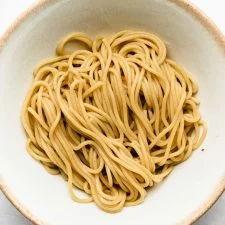
This quick method gives ordinary spaghetti a springier, more ramen-like texture by cooking it in water with baking soda. Use it as a convenient noodle base for prepared ramen broth.
Ingredients
- 1 serving (70–85 g)dry pasta (spaghetti or angel hair recommended)
- 1 Lwater
- 1 tbspbaking soda
- 1/4 tsp, optionalsalt
Instructions
- 1
Boil the water
Bring the water to a boil in a pot. Carefully add the baking soda, which will fizz, then add the salt, if using, and stir.
- 2
Cook the pasta
Add the pasta and cook it for the time stated on the packet, then continue cooking for a further 2–3 minutes.
- 3
Drain and rinse
Drain the pasta and rinse it to remove any baking soda taste. Use it straight away in prepared ramen broth.
What is spaghetti ramen?
Ramen is a Japanese noodle soup, and its noodles are typically made with wheat and an alkaline ingredient that gives them their characteristic spring. This shortcut uses dried spaghetti or angel hair pasta in place of ramen noodles.
Baking soda makes the cooking water alkaline, helping ordinary pasta take on a firmer, springier texture. It is a quick option when you have pasta on hand but no ramen noodles.
Nutrition and macros by portion
The nutrition label shows one serving as written: 270 calories, 9g protein, 54g carbs, 2g fat.
| Portion | Adjustment | kcal | Protein | Carbs | Fat |
|---|---|---|---|---|---|
| Lighter | Use a smaller pasta portion | 189 kcal | 6g | 38g | 1g |
| This serving | As written | 270 kcal | 9g | 54g | 2g |
| Hungry | Use a larger pasta portion | 405 kcal | 14g | 81g | 2g |
Most of the carbohydrates and energy come from the dry pasta, which also provides some protein; the recipe contains very little fat. Serve it with vegetables and a protein-rich topping such as tofu, and remember that the broth will also contribute to the meal’s overall nutrition.
Why use baking soda?
Alkaline water: baking soda changes the pasta’s cooking environment and helps it feel more like ramen noodles than pasta cooked in plain water.
Fizzing: the soda reacts as it enters the boiling water, so add it carefully and let the bubbles settle before adding the pasta.
Choosing the pasta
Spaghetti: its long strands work well in a bowl of broth and are easy to find in most kitchens.
Angel hair: this thinner pasta cooks quickly and can become soft sooner, so keep an eye on it as it finishes cooking.
Getting the texture right
Packet timing: start with the cooking time printed on the pasta packet, then cook for another 2–3 minutes as directed. Check a strand near the end; it should be cooked through but still hold together.
Rinsing: drain and rinse thoroughly to wash away the baking soda flavour. Serve promptly so the noodles do not sit and soften.
Timing and serving
The stated total time is 8 minutes, but pasta cooking times vary by shape and brand. Check the packet and allow for the additional 2–3 minutes in the method.
Broth: have the ramen broth prepared before the noodles are done, then add the rinsed pasta straight away. Add your chosen toppings separately if you want a more substantial bowl.
Salt and seasoning
Optional salt: the recipe includes 1/4 tsp, but you can leave it out, particularly if your broth is already well seasoned.
Baking soda: the noodles are rinsed after cooking, so avoid adding extra soda to the water; the listed amount is intended for this batch.
Recipe notes & tips
- Use a pot large enough to hold 1 L of water and the pasta comfortably.
- Add the baking soda carefully because it fizzes when it meets the boiling water.
- Stir after adding the salt and pasta to help keep the strands separate.
- Check the pasta near the end of cooking, especially if using angel hair.
- Rinse the noodles well and add them to prepared broth straight away.
Variations
- Use angel hair: choose it for especially fine strands and watch it closely as it cooks.
- Skip the salt: leave out the optional salt if your broth is already seasoned.
- Add vegetables: serve the noodles with vegetables prepared separately.
- Add tofu: top the finished bowl with tofu for a more filling meal.
- Change the broth: use your preferred prepared ramen broth to suit the bowl.
Common mistakes to avoid
- Adding soda too quickly: it fizzes in the boiling water, so add it carefully.
- Skipping the extra cooking: cook for a further 2–3 minutes after the packet’s stated time.
- Leaving the noodles unrinsed: rinse them after draining to remove the baking soda taste.
- Overcooking angel hair: check it early and stop once it is cooked through but still holds together.
- Letting the noodles sit: add them to prepared broth immediately after rinsing so they do not soften further.
How to store
These noodles are best eaten straight after rinsing and adding them to broth. If needed, refrigerate leftovers in an airtight container and use within 1–2 days; reheat gently in broth, noting that the texture may soften.
Frequently asked questions
Can I use a different kind of pasta?
Yes. Spaghetti and angel hair are recommended, but other long pasta can work; cooking time and texture will vary.
Why does the baking soda fizz?
It reacts in the hot water and makes the mixture bubble. Add it carefully to the boiling water.
Do I have to add salt?
No. The recipe marks the 1/4 tsp as optional, so you can omit it, especially if the broth is salty.
Why should I rinse the pasta?
Rinsing after draining helps remove any baking soda taste. Use the noodles straight away afterwards.
Can I prepare the noodles ahead?
They are best freshly cooked, since they can soften as they sit. If you need to make them ahead, refrigerate them promptly and reheat gently in broth.
Cook it from the original
This recipe comes from okonomikitchen.com. Their page has the author’s own photos, notes and tips — the best place to cook it from.
Open the recipe on okonomikitchen.com