
Spicy Chilli Garlic Noodles
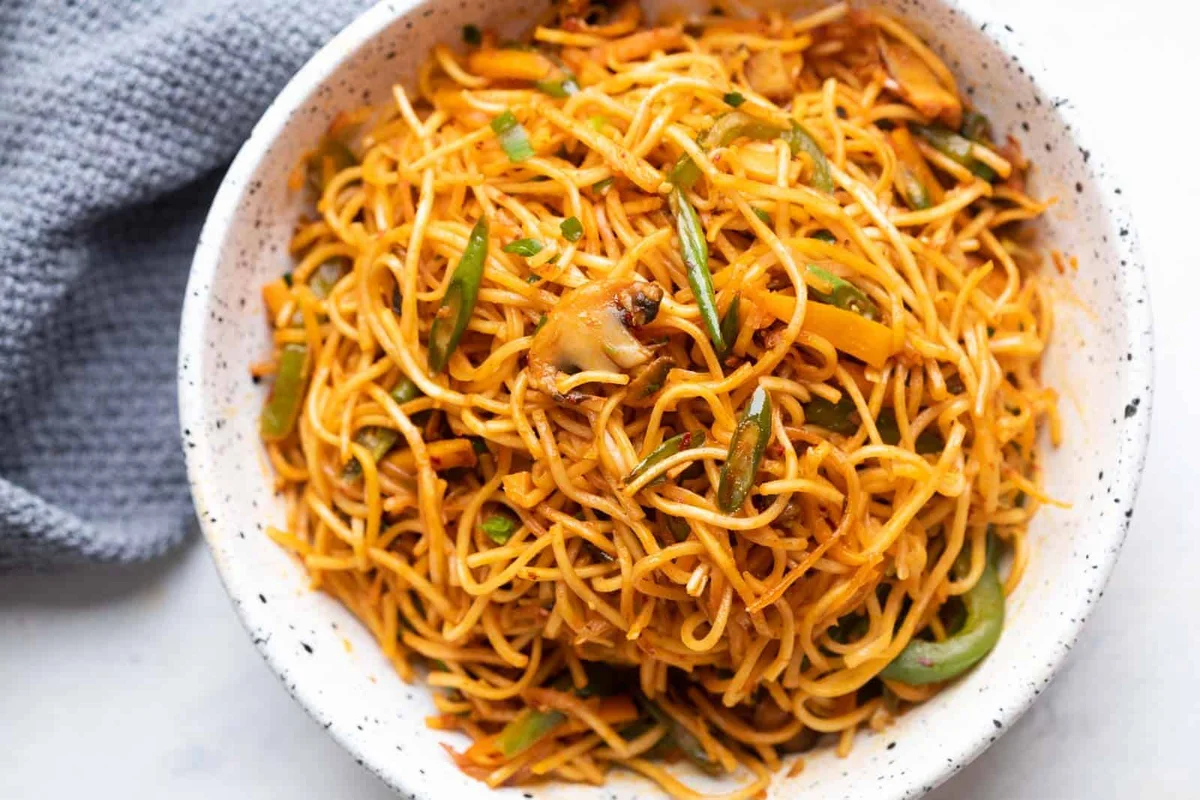
These Indian-Chinese chilli garlic noodles bring together springy noodles, crisp vegetables and a punchy, savoury chilli-garlic sauce. They come together in about 30 minutes, making them a handy choice for a quick, spicy meal.
Ingredients
- 5–7chillies rojos secos (se usaron chillies de Cachemira)
- 8–10 dientesajo
- 200 gfideos secos
- 60 ml (1/4 cup)aceite
- 5 ml (1 tsp)ajo picado
- 5 ml (1 tsp)jengibre picado
- 45 ml (3 tbsp)pasta de chilli y ajo
- 2chillies verdes, abiertos a lo largo (opcional)
- 30 ml (2 tbsp)cebolleta, solo la parte blanca
- 75 g (1/2 cup)cebolla en rodajas
- 30 g (1/4 cup)zanahoria en juliana
- 30 g (1/4 cup)judías verdes en juliana
- 30 g (1/4 cup)pimiento verde en rodajas
- 10 ml (2 tsp)salsa de soja
- 5 ml (1 tsp)vinagre
- 7,5 ml (1 1/2 tsp)azúcar
- 1 + 1 tspsal
- 2,5 ml (1/2 tsp)pimienta blanca
- 30 ml (2 tbsp)cebolleta, parte verde picada
Instructions
- 1
Ablanda los chillies
Pon los chillies rojos secos en agua caliente durante unos 10 minutos, hasta que estén lo bastante blandos para triturarlos.
- 2
Tritura la pasta
Escurre los chillies y tritúralos con los dientes de ajo hasta obtener una pasta fina; añade un poco de agua si hace falta.
- 3
Cuece los fideos
Cuece los fideos siguiendo las instrucciones del paquete, con una cucharadita de sal y aceite en el agua hirviendo, pero reduce el tiempo indicado en un minuto. Escúrrelos enseguida, enjuágalos con agua fría y mézclalos con 1 cucharadita de aceite. Resérvalos.
- 4
Saltea la base
Calienta el aceite restante en un wok. Añade el ajo picado y el jengibre, y saltéalos a fuego fuerte durante 1 minuto. Incorpora la pasta de chilli y ajo y saltéala durante 2–3 minutos.
- 5
Añade las verduras
Añade los chillies verdes, si los usas, la parte blanca de la cebolleta y la cebolla. Saltéalos durante 1 minuto; incorpora el resto de las verduras y sigue salteando durante 2–3 minutos.
- 6
Mezcla los fideos
Baja el fuego y añade la salsa de soja, el vinagre, el azúcar, la sal y la pimienta. Remueve para mezclarlos con las verduras. Incorpora los fideos cocidos y mézclalos bien con unas pinzas, salteando hasta que queden cubiertos de salsa.
- 7
Sirve caliente
Termina con la parte verde de la cebolleta picada y sirve los fideos calientes.
What are chilli garlic noodles?
Chilli garlic noodles are a stir-fried noodle dish associated with Indian-Chinese cooking, a style that blends Chinese-inspired techniques and flavours with ingredients and tastes popular in India. The result is savoury, hot and quick to cook.
This version gets its heat and depth from a freshly ground paste of dried chillies and garlic. A mix of onions, spring onions and crisp vegetables brings sweetness and texture to the noodles.
Nutrition and macros by portion
The nutrition label shows one serving as written: 372 calories, 12g protein, 77g carbs, 5g fat.
| Portion | Adjustment | kcal | Protein | Carbs | Fat |
|---|---|---|---|---|---|
| Lighter | Use less oil | 260 kcal | 8g | 54g | 4g |
| This serving | As written | 372 kcal | 12g | 77g | 5g |
| Hungry | Serve a larger portion | 558 kcal | 18g | 116g | 8g |
The noodles provide most of the carbohydrates, while the oil contributes most of the fat; the noodles and smaller amounts from the vegetables provide the protein. Pair a serving with extra vegetables and a protein such as tofu or egg for a more rounded plate.
Making the chilli garlic paste
Soften the dried chillies in hot water before grinding so they blend into a smooth paste. Kashmiri chillies are the choice given here; the optional green chillies added later bring an extra, sharper heat.
Grind the softened chillies with the whole garlic cloves, adding only a little water if the mixture needs help moving. The separate minced garlic and ginger go into the wok later, so they add a fresher aroma to the stir-fry.
Getting the noodles right
Dry noodles are boiled for a minute less than the packet suggests, then rinsed in cold water. This helps them hold their shape when they are tossed again in the hot wok.
Drain them promptly and coat them with the stated teaspoon of oil to help keep them separate while you prepare the vegetables. Have the sauce ingredients ready before stir-frying, as the wok stages move quickly.
Keeping the vegetables crisp
High heat and short cooking times are key to the texture of this dish. The garlic and ginger cook first, followed by the chilli-garlic paste, then the onion and the remaining vegetables.
Cut the carrot and green beans into thin julienne strips so they cook in the brief 2–3-minute vegetable stir-fry. Avoid leaving them in the pan longer than needed; they should stay lively rather than turn soft.
Coating the noodles evenly
Once the vegetables are cooked, reduce the heat before adding the soy sauce, vinegar, sugar, salt and white pepper. Stir these through first so the seasoning is distributed among the vegetables.
Add the noodles and lift and turn them with tongs until coated. If they clump, separate them gently as you toss rather than stirring roughly, which can break them.
Serving suggestions
Serve the noodles straight from the wok while hot, with the chopped green spring onion scattered over the top. Their chilli-garlic flavour works well alongside a simple cucumber salad or lightly cooked greens.
For a fuller meal, serve with tofu, egg or another protein on the side. Keep accompaniments fairly simple so they do not compete with the seasoned noodles.
Recipe notes & tips
- Prepare and arrange the vegetables and seasonings before heating the wok.
- Use a wok or the widest pan available so the vegetables can stir-fry rather than steam.
- Drain the noodles as soon as they are cooked to a firm, springy texture.
- Add the optional green chillies only if you want an extra hit of heat.
- Use tongs to lift and turn the noodles so they become evenly coated without breaking.
Variations
- Add tofu: stir-fry cubes until golden, then set them aside and return them to the wok with the noodles.
- Add egg: scramble it in the wok before cooking the vegetables, then fold it through at the end.
- Change the vegetables: use thinly sliced cabbage in place of some of the listed vegetables.
- Adjust the heat: use fewer dried chillies in the paste for a milder result.
- Add sesame: finish with a small sprinkle of toasted sesame seeds for extra texture.
Common mistakes to avoid
- Overcooking the noodles: boil them for a minute less than the packet time so they do not become too soft in the wok.
- Skipping the cold rinse: rinse the drained noodles promptly to stop them cooking further.
- Adding too much water to the paste: grind in only a little if needed, so the paste stays concentrated.
- Crowding the wok: use a wide pan and keep the vegetables moving so they stir-fry instead of steaming.
- Cooking the vegetables for too long: stick to the stated brief timings to preserve some crunch.
How to store
Cool leftovers promptly and store them in an airtight container in the fridge for up to 3 days. Reheat in a pan over medium heat, tossing until hot; add a small splash of water if the noodles seem dry.
Frequently asked questions
Can I make the chilli-garlic paste ahead?
Yes. You can prepare it in advance and keep it covered in the fridge until you are ready to cook.
How can I make the noodles less spicy?
Use fewer dried chillies in the paste and leave out the optional green chillies.
Can I use fresh noodles instead of dry noodles?
Yes, but follow the fresh noodles’ packet directions and take care not to overcook them before stir-frying.
What if I do not have a wok?
Use a wide frying pan and cook over high heat, keeping the vegetables moving.
How do I stop the noodles sticking together?
Rinse them with cold water after draining and toss them with the stated teaspoon of oil. Separate them gently with tongs as you add them to the wok.
Cook it from the original
This recipe comes from myfoodstory.com. Their page has the author’s own photos, notes and tips — the best place to cook it from.
Open the recipe on myfoodstory.com