
Best Spaghetti Bolognese Sauce
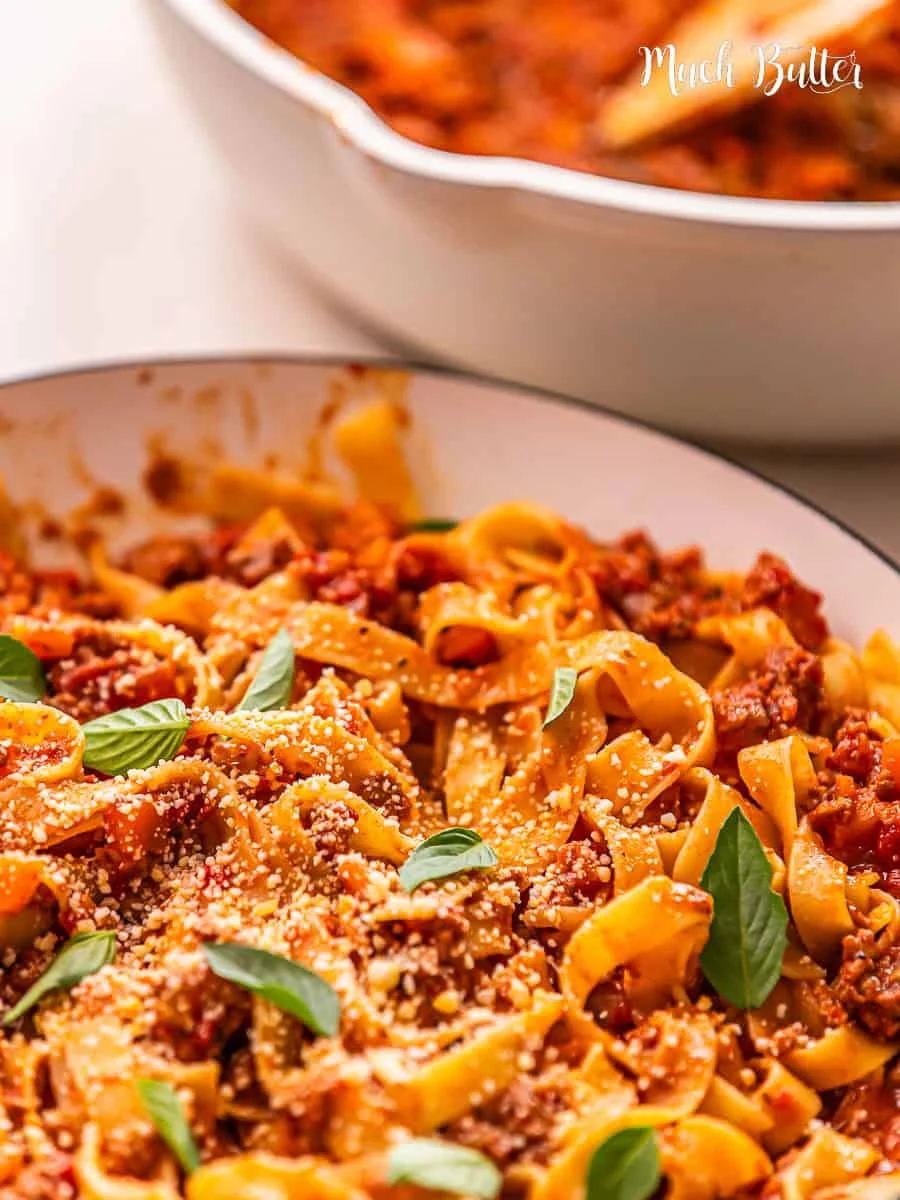
This slow-simmered Bolognese pairs beef, tomatoes, milk and finely chopped vegetables in a rich sauce, served with tagliatelle and Parmesan. It is a comforting pasta supper that rewards a gentle simmer while leaving most of the cooking time hands-off.
Ingredients
- 30 ml (2 tbsp)olive oil
- 680 g (1½ lb)minced beef
- 1 largeonion, finely chopped
- 2carrots, finely chopped
- 2celery sticks, finely chopped
- 4 clovesgarlic, minced
- 794 g (28 oz)plum tomatoes, with their juice
- 30 ml (2 tbsp)tomato purée
- 2fresh bay leaves
- 60 ml (¼ cup)basil, finely chopped
- 5 ml (1 tsp)Italian seasoning
- 10 ml (2 tsp), or to tastesalt
- 1.25 ml (¼ tsp), or to tasteblack pepper
- 480 ml (2 cups)beef stock
- 240 ml (1 cup)milk
- 250 gtagliatelle
- to tasteParmesan, for garnish
Instructions
- 1
Soften the vegetables
Heat the olive oil in a large saucepan over medium-high heat. Add the onion, carrot, celery and garlic and cook for 10 minutes, stirring often, until softened.
- 2
Brown the beef
Add the minced beef and cook, stirring occasionally, until browned all over. Add the plum tomatoes, tomato purée, bay leaves, basil, Italian seasoning, salt and black pepper. Break up the tomatoes and stir to combine.
- 3
Simmer the sauce
Pour in the beef stock and milk and stir well. Reduce the heat to low, cover and simmer for about 1 hour, stirring occasionally, until the sauce is rich and thick.
- 4
Cook the pasta
Bring a large pot of salted water to the boil. Cook the tagliatelle until al dente, then drain it well.
- 5
Combine and serve
Stir the drained tagliatelle into the Bolognese sauce. Garnish with Parmesan before serving.
What is Bolognese sauce?
Bolognese is a meat-based sauce associated with Bologna in northern Italy, traditionally cooked slowly so its ingredients meld into a savoury, substantial sauce. It is often served with pasta shapes that can hold the sauce well.
This version uses beef, tomatoes and the classic finely chopped onion, carrot and celery base. Milk and a long, gentle simmer help round out the flavour and build a thick texture.
Nutrition and macros by portion
The nutrition label shows one serving as written: 640 calories, 40g protein, 49g carbs, 29g fat.
| Portion | Adjustment | kcal | Protein | Carbs | Fat |
|---|---|---|---|---|---|
| Lighter | Less pasta, more vegetables | 448 kcal | 28g | 34g | 20g |
| This serving | As written | 640 kcal | 40g | 49g | 29g |
| Hungry | Larger pasta portion | 960 kcal | 60g | 74g | 44g |
The tagliatelle and vegetables provide most of the carbohydrates, while the beef supplies most of the protein and a substantial share of the fat. Olive oil, milk and Parmesan add further fat, and the stock and added salt contribute sodium. For a more balanced plate, serve a generous portion of vegetables or salad alongside the pasta.
Build the vegetable base
Fine chopping: Cut the onion, carrots and celery into small, even pieces so they soften steadily during the 10-minute cook.
Aromatics: Stir the garlic in with the vegetables and keep the mixture moving; softened, fragrant vegetables are the cue to add the beef.
Brown the beef well
Meat: Break up the beef as it cooks and let it brown across the pan rather than immediately adding the tomatoes. Browning gives the sauce a deeper savoury flavour.
Tomatoes: Break the plum tomatoes into smaller pieces as you stir them in. Their juice becomes part of the sauce, so add the tin contents rather than draining them.
Let the sauce simmer gently
Low heat: Once the stock and milk are incorporated, bring the heat down and keep the pan covered for the hour-long simmer. Stir occasionally to prevent sticking and check that the sauce is only gently bubbling.
Doneness: The sauce is ready when it looks thick and rich rather than watery. If it still seems loose, give it a little more time at a gentle simmer.
Cook tagliatelle to suit
Pasta water: Use a large pot of well-salted boiling water so the tagliatelle has room to cook evenly. Check it near the end of the packet’s cooking time and drain when it is al dente.
Finish together: Drain the pasta well, then stir it through the sauce so the strands are coated. Serve with Parmesan and, if you like, a simple green salad alongside.
Plan the timing
The sauce takes about 10 minutes to soften the vegetables, a little time to brown the beef, and around 1 hour to simmer. Cook the tagliatelle near the end so it is ready to mix into the sauce without sitting and turning soft.
The stated total time is 100 minutes, allowing time for preparation and cooking. Have the ingredients chopped and ready before heating the oil.
Recipe notes & tips
- Chop the onion, carrot and celery to a similar size so they soften evenly.
- Give the beef enough space to brown, working in batches if the saucepan is crowded.
- Stir during the simmer and scrape the base of the pan to stop the sauce catching.
- Taste the sauce before serving and adjust the salt and pepper to suit.
- Drain the tagliatelle thoroughly so excess pasta water does not thin the sauce.
- Grate Parmesan over the dish just before serving for the best texture.
Variations
- Use pork and beef: Replace some of the minced beef with minced pork for a different, rounded flavour.
- Add red wine: Replace a little of the stock with red wine and let it reduce before adding the remaining liquid.
- Include mushrooms: Finely chop mushrooms and cook them with the vegetables for an earthier sauce.
- Choose another pasta: Serve the sauce with pappardelle or another broad pasta if tagliatelle is unavailable.
- Add chilli: Stir in a pinch of chilli flakes with the garlic for gentle heat.
Common mistakes to avoid
- Large vegetable pieces: They may stay firm; chop the onion, carrot and celery finely and evenly.
- Pale beef: It can give the sauce a less developed flavour; let the meat brown before adding the tomatoes.
- Fast simmer: The sauce can catch or reduce unevenly; keep the heat low and stir occasionally.
- Watery sauce: It may not cling to the pasta; simmer until thick and drain the tagliatelle well.
- Overcooked pasta: It can become too soft when mixed with sauce; drain it as soon as it is al dente.
How to store
Cool leftovers promptly and refrigerate in a sealed container for up to 3 days. Reheat until steaming hot, adding a splash of water or stock if the sauce has thickened; pasta stored separately can be reheated with the sauce or briefly in boiling water.
Frequently asked questions
Can I make the sauce ahead?
Yes. Cook the sauce, cool it promptly and refrigerate it in a sealed container for up to 3 days. Cook the tagliatelle when you are ready to serve for the best texture.
Can I use dried basil?
Yes, but use less than the fresh basil and add it with the Italian seasoning. Dried herbs are more concentrated than fresh.
Can I use a different pasta?
Yes. Pappardelle, fettuccine or another pasta that holds a thick sauce works well. Cook it according to its packet instructions until al dente.
How can I tell when the sauce is ready?
After about 1 hour of gentle simmering, it should look rich and thick rather than watery. Stir occasionally and give it more time if needed.
Can I freeze the sauce?
The sauce can be frozen in a suitable sealed container and defrosted in the fridge before reheating until steaming hot. For the best texture, cook and add the pasta fresh.
Cook it from the original
This recipe comes from muchbutter.com. Their page has the author’s own photos, notes and tips — the best place to cook it from.
Open the recipe on muchbutter.com