
Nizami Sesame Pulao
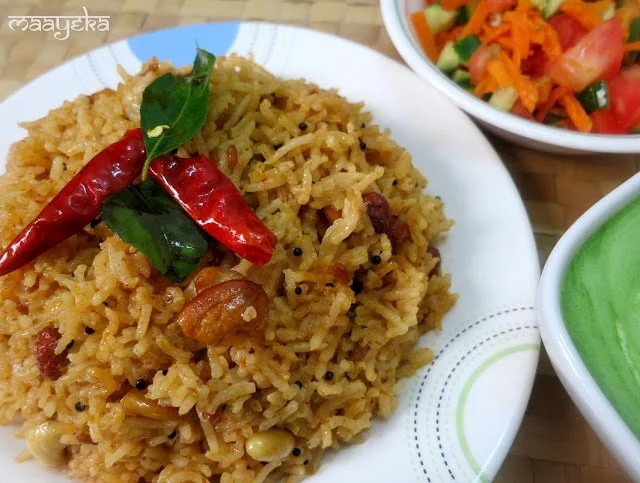
Nizami sesame pulao is a rich, gently spiced rice dish combining toasted sesame and chillies with cream, nuts and ghee. Make it when you want a fragrant one-pan meal with a luxurious finish.
Ingredients
- 180 g (1 cup)rice
- 45 ml (3 tbsp)fresh cream
- 2 tbspcashew nuts
- 1 tbsppeanuts
- 2 tbspsesame seeds
- 2 tbspghee
- 1 tbspunsalted butter
- 6whole dried red chillies
- 1 tspurad dal
- ½ tspmustard seeds
- 10curry leaves
- ¾ tspsalt
- 480 ml (2 cups)water
Instructions
- 1
Soak the rice
Rinse the rice and leave it to soak in water for 20 minutes.
- 2
Fry the nuts
Over a low heat, fry the cashews and peanuts in 1 tsp of ghee until golden.
- 3
Grind the spices
Dry-roast the sesame seeds and whole red chillies in a pan, then grind them into a powder.
- 4
Temper the seeds
Warm the ghee in a pan, then add the urad dal and mustard seeds.
- 5
Add curry leaves
When the seeds begin to crackle, add the curry leaves. Once the dal has turned red, stir in the ground sesame mixture and 480 ml (2 cups) of water.
- 6
Add rice
When the water boils, add the salt and drained, soaked rice.
- 7
Part-cook rice
When it comes back to the boil, lower the heat and simmer until the rice is about 90% cooked.
- 8
Prepare the topping
Heat a small pan and add the butter. After a few seconds, stir in the fresh cream, then add the fried cashews and peanuts. Mix and pour over the rice.
- 9
Seal the pan
Cover the pan with aluminium foil, then fit the lid tightly over it.
- 10
Finish on dum
Cook over a low heat for 5–10 minutes, or until the rice is done.
- 11
Garnish the pulao
Garnish with fried chillies and curry leaves.
- 12
Serve hot
Serve the pulao hot.
- 13
Add accompaniments
Serve with raita, yoghurt and salad.
What is Nizami sesame pulao?
Pulao is a seasoned rice dish found in many South Asian cooking traditions. This version is presented as a rich, flavourful rice from Hyderabad, associated in the description with the land of the Nizams.
Toasted sesame and red chillies make a savoury spice powder, while cream, nuts and ghee give the finished rice its distinctive richness.
Nutrition and macros by portion
The nutrition label shows one serving as written: 809 calories, 16g protein, 95g carbs, 42g fat.
| Portion | Adjustment | kcal | Protein | Carbs | Fat |
|---|---|---|---|---|---|
| Lighter | Use less cream and ghee | 566 kcal | 11g | 67g | 29g |
| This serving | As written | 809 kcal | 16g | 95g | 42g |
| Hungry | Serve a larger portion | 1214 kcal | 24g | 143g | 63g |
Rice provides most of the carbohydrates, while ghee, butter, cream and nuts contribute much of the fat. The nuts also provide some protein, alongside the rice; serve with yoghurt or raita and salad for a more balanced plate.
Build the sesame flavour
Sesame and chillies: dry-roast them before grinding to bring out their aroma. Keep the pan moving and take them off the heat once fragrant, before they darken too much.
Whole spices: mustard seeds, urad dal and curry leaves flavour the ghee at the start. Add the ground sesame mixture once the dal has coloured, as the method directs.
Get the rice ready
Soaking: give the rice the full 20 minutes, then drain it well before adding it to the boiling water. This helps it cook evenly.
Partial cooking: stop when the grains are about 90% cooked. They finish during the covered dum stage, so avoid waiting for them to be fully tender before sealing the pan.
Finish gently on dum
Creamy topping: stir the cream into the melted butter, then fold in the fried cashews and peanuts. Pour this mixture over the part-cooked rice so it can finish together with the grains.
Sealed heat: the foil and tight-fitting lid trap steam during the final 5–10 minutes. Keep the flame low and check that the base is not catching.
Choose the right pan
Use a pan with a close-fitting lid and enough room for the rice and water to simmer without spilling over. A heavy-based pan helps distribute the low heat more evenly during the final cooking stage.
A small separate pan is useful for preparing the butter, cream and fried nuts, as specified in the method.
What to serve alongside
Raita or plain yoghurt brings a cool, tangy contrast to the rich rice. A fresh salad adds crunch and keeps the meal from feeling too heavy.
Serve straight from the pan while hot, with the chillies and curry leaves as the garnish.
Recipe notes & tips
- Rinse the rice until the water is less cloudy, then soak it for the full 20 minutes.
- Drain the soaking water before adding the rice to the pan.
- Roast the sesame seeds and chillies over moderate heat, watching closely so they do not burn.
- Fry the cashews and peanuts over low heat and remove them once golden.
- Keep the flame low during the covered dum stage to protect the rice from catching.
- Use a tight lid over the foil so steam stays in the pan.
Variations
- Adjust the heat: use fewer whole red chillies for a milder pulao.
- Add fresh herbs: finish with chopped coriander for a fresh, green note.
- Use brown rice: allow extra cooking time and adjust the water as needed for the rice.
- Make it nut-free: leave out the cashews and peanuts, and fry the garnish in the ghee.
- Serve with vegetables: add a simple salad or cooked vegetables alongside.
Common mistakes to avoid
- Burning the sesame: roast it gently and remove it from the pan as soon as fragrant.
- Skipping the soak: soak the rice for 20 minutes so it cooks more evenly.
- Adding undrained rice: drain away the soaking water before adding the grains.
- Overcooking before dum: stop at about 90% cooked so the rice can finish under the lid.
- Using high heat to finish: keep the pan on a low flame for the 5–10-minute dum stage.
- Leaving the lid loose: cover the pan with foil and seal it with a tightly fitted lid.
How to store
Refrigerate leftovers in a covered container and use within 2 days. Reheat until steaming hot, adding a small splash of water if the rice has dried out.
Frequently asked questions
Can I make the sesame powder ahead?
Yes. Roast and grind the sesame seeds and chillies shortly before cooking, then keep the powder covered until needed.
How do I know when the rice is 90% cooked?
The grains should be mostly tender but still have a little firmness at the centre. They will finish cooking during the covered dum stage.
Can I use a different type of rice?
You can, but cooking time and water needs may vary by variety. Follow the 90% doneness cue before covering the pan.
What does dum mean here?
It is the final low-heat cooking stage with the pan tightly covered, allowing the rice to finish in trapped steam.
What should I serve with the pulao?
The recipe suggests raita, yoghurt and salad. The cool accompaniments work well alongside the rich, spiced rice.
Cook it from the original
This recipe comes from maayeka.com. Their page has the author’s own photos, notes and tips — the best place to cook it from.
Open the recipe on maayeka.com