
Frijoles de la Olla (Mexican Beans) Recipe
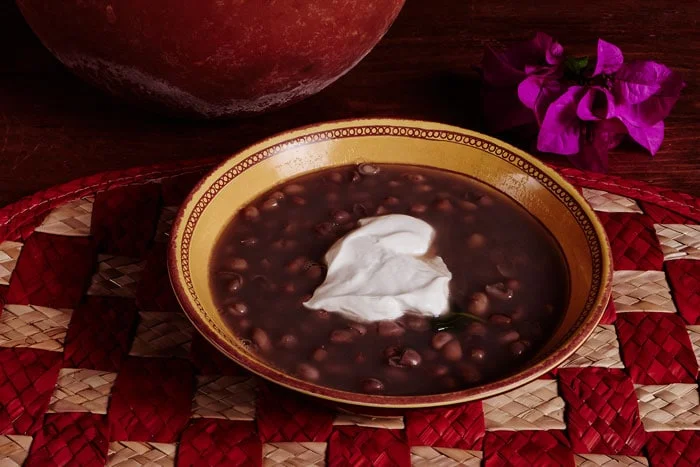
Frijoles de la Olla are Mexican beans gently simmered in a pot with onion, garlic and epazote. This simple batch makes a versatile side dish, or a hearty base for other meals.
Ingredients
- 454 g (1 pound)beans (pinto, black, flor de mayo or flor de junio)
- 1/2white onion
- 2 clovesgarlic
- 4 fresh leaves or 1/2 teaspoon driedepazote
- 1 teaspoon, plus more to tastesalt
Instructions
- 1
Check the beans
Pick through the beans and remove any stones or other debris.
- 2
Rinse well
Put the beans in a colander and rinse them under cold water.
- 3
Cover with water
Put the beans in a cooking pot and add enough water to cover them by 3 inches.
- 4
Soak overnight
Leave the beans to soak overnight.
- 5
Drain the beans
Discard the soaking water.
- 6
Add fresh water
Cover the beans with cold water, leaving 4 inches of water above them.
- 7
Add aromatics
Add the 1/2 white onion and 2 cloves of garlic.
- 8
Bring to simmer
Bring the water to a boil, then lower the heat to maintain a simmer.
- 9
Cook the beans
Simmer the beans for 2 hours.
- 10
Season with salt
Add 1 teaspoon of salt.
- 11
Simmer again
Continue simmering for 30 more minutes.
- 12
Check for softness
Taste a bean to check that it is fully cooked and soft. If it needs more time, cook for an additional 30 minutes.
- 13
Adjust and serve
Taste and adjust the salt, then serve.
What are frijoles de la olla?
The name means “beans cooked in a pot”, and the dish is a familiar staple of Mexican cooking. Beans are simmered until tender, with a few aromatics adding flavour to the cooking liquid.
This version keeps the ingredient list simple and works with several bean varieties. The overnight soak and slow simmer give the beans time to soften evenly.
Nutrition and macros by portion
The nutrition label shows one serving as written: 196 calories, 12g protein, 36g carbs, 1g fat.
| Portion | Adjustment | kcal | Protein | Carbs | Fat |
|---|---|---|---|---|---|
| Lighter | Smaller serving of beans | 137 kcal | 8g | 25g | 1g |
| This serving | As written | 196 kcal | 12g | 36g | 1g |
| Hungry | Larger serving of beans | 294 kcal | 18g | 54g | 2g |
The beans provide most of the carbohydrates and protein in each serving, while the onion, garlic and epazote contribute flavour. The listed nutrition is low in fat; pair a serving with vegetables and another protein-rich food if you want a more balanced plate.
Choosing the beans
Bean variety: Pinto, black, flor de mayo and flor de junio beans are all listed as options. Different types may take different amounts of time to become tender, so use the softness check rather than relying only on the clock.
Sorting: Look through the dry beans before rinsing to remove any stones or debris. This quick check is worth doing even with packaged beans.
The overnight soak
Soaking: Cover the beans with water by 3 inches and leave them overnight. They need room to absorb water, so choose a pot large enough to hold the beans and soaking liquid.
Fresh water: Discard the soaking water before cooking, then cover the beans by 4 inches with cold water. This gives them plenty of liquid for the long simmer.
Aromatics and seasoning
Onion and garlic: Add the half onion and two garlic cloves before bringing the pot to a boil. They flavour the beans as they cook.
Epazote: The recipe lists fresh epazote leaves or dried epazote as options. Add the form you have available; the dried amount is 1/2 teaspoon.
Salt: Add 1 teaspoon after the first 2 hours of simmering, then taste and adjust before serving.
How to judge doneness
Gentle heat: Once the pot boils, reduce it to a simmer. Keep the beans cooking gently for 2 hours, then add the salt and simmer for another 30 minutes.
Softness: Taste a bean to check the centre as well as the outside. If it is not soft throughout, cook for an additional 30 minutes and check again.
Serving the beans
As a side: Serve the beans warm with some of their cooking liquid. They make a straightforward accompaniment to a Mexican-inspired meal.
For a fuller plate: Pair them with vegetables and a source of protein, or serve alongside rice or tortillas if you want a more substantial meal.
Recipe notes & tips
- Sort through the beans carefully before rinsing to catch any stones.
- Use a roomy pot, as the beans expand while soaking and need ample water for cooking.
- Keep the beans covered by water during the simmer, adding more if needed.
- Let the pot settle at a gentle simmer after bringing it to the boil.
- Check a bean for softness before deciding whether it needs the extra 30 minutes.
- Taste for salt at the end and adjust gradually.
Variations
- Choose pinto beans: Use them for a classic option from the varieties listed.
- Use black beans: Swap in black beans, checking their softness as they cook.
- Try flor de mayo: Choose this variety if it is available to you.
- Use dried epazote: Add 1/2 teaspoon in place of the 4 fresh leaves.
- Adjust the salt: Add more to taste after the beans are tender.
Common mistakes to avoid
- Skipping the sort: Check the dry beans for stones or debris before soaking.
- Using too little soaking water: Cover the beans by 3 inches so they have room to absorb it.
- Keeping the soaking water: Discard it before adding fresh cold water for cooking.
- Boiling throughout: Reduce the heat after the boil and keep the beans at a simmer.
- Stopping by the clock: Taste a bean and cook for another 30 minutes if it is not soft.
- Seasoning without tasting: Adjust the salt to taste before serving.
How to store
Refrigerate leftover beans with their cooking liquid in a covered container and use within 3–4 days. Reheat gently on the hob, adding a little water if needed to loosen the liquid.
Frequently asked questions
Do I have to soak the beans overnight?
The recipe calls for an overnight soak, which helps prepare the beans for the long simmer. Drain and discard the soaking water before cooking.
Can I use a different kind of bean?
Yes. The recipe lists pinto, black, flor de mayo and flor de junio beans. Check for tenderness as they cook, since the time needed can vary.
What can I use instead of fresh epazote?
The recipe gives 1/2 teaspoon dried epazote as an alternative to 4 fresh leaves.
When should I add the salt?
Add 1 teaspoon after the first 2 hours of simmering, then taste and adjust once the beans are cooked.
How do I know when the beans are ready?
Taste one to make sure it is soft throughout. If it is still firm, simmer for an additional 30 minutes and check again.
Can I make these beans ahead?
Yes. Cook them, cool promptly and refrigerate with their cooking liquid. Reheat gently on the hob before serving.
Cook it from the original
This recipe comes from mexicanfoodjournal.com. Their page has the author’s own photos, notes and tips — the best place to cook it from.
Open the recipe on mexicanfoodjournal.com