
Curdled milk caramel
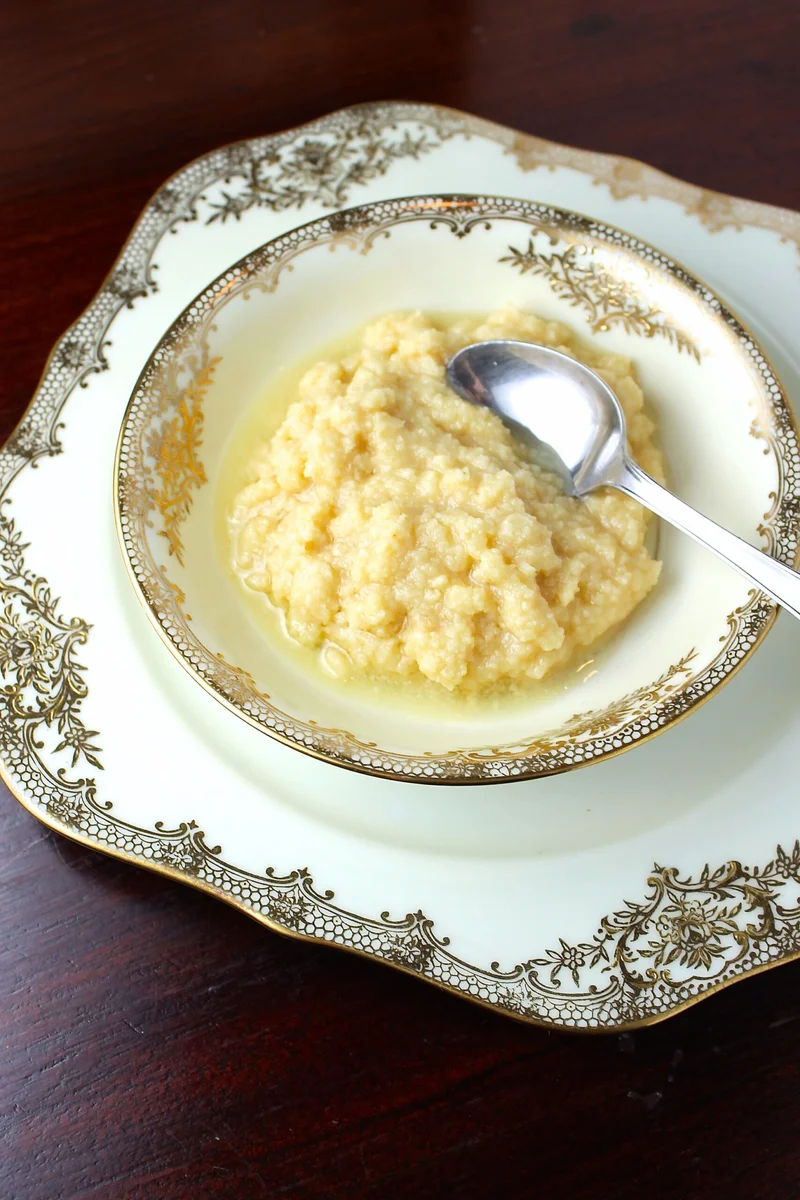
Venezuelan curdled milk caramel is a gently simmered dessert of sweet milk, lemon and soft curds. It is a simple way to make a distinctive pudding from a short list of ingredients.
Ingredients
- 960 ml (4 cups)milk
- 200 g (1 cup)sugar
- peel of 1lemon
- 60 ml (¼ cup)fresh lemon juice
Instructions
- 1
Warm the milk
Put the milk, sugar and lemon peel in a saucepan over a medium-high heat. Stir until the sugar has dissolved completely.
- 2
Add the lemon
Distribute the lemon juice over the milk, then continue cooking without stirring so that curds form.
- 3
Cook after boiling
When the mixture reaches a boil, cook it over a medium-high heat for a further 5 minutes.
- 4
Reduce the liquid
Lower the heat to medium-low and cook for about 25–30 minutes, until the liquid has reduced.
- 5
Cool the caramel
Remove the lemon peel and leave the dessert to cool.
What is curdled milk caramel?
This Venezuelan dessert is made by gently cooking sweetened milk with lemon until it separates into soft curds and a reduced liquid. It is a homely style of milk pudding, with lemon providing both the flavour and the change in texture.
Here, the juice is added after the sugar has dissolved, and the mixture is left undisturbed so the curds can form.
Nutrition and macros by portion
The nutrition label shows one serving as written: 346 calories, 8g protein, 63g carbs, 8g fat.
| Portion | Adjustment | kcal | Protein | Carbs | Fat |
|---|---|---|---|---|---|
| Lighter | Serve a smaller portion | 242 kcal | 6g | 44g | 6g |
| This serving | As written | 346 kcal | 8g | 63g | 8g |
| Hungry | Serve a larger portion | 519 kcal | 12g | 95g | 12g |
The milk provides most of the protein and some of the fat, while the sugar supplies most of the carbohydrates. Enjoy a serving alongside fresh fruit if you want to balance the plate with a fresher accompaniment.
The role of the lemon
Lemon juice: poured over the milk, it encourages the mixture to separate. Add it as directed and avoid stirring afterwards.
Lemon peel: infuses the milk as it heats, giving it a fragrant citrus note. Remove it before cooling.
Let the curds form
Once the lemon juice is in, leave the mixture alone while it cooks. Stirring at this point can break up the developing curds and make the texture less distinct.
Keep the heat steady rather than rushing the process; the recipe relies on gentle cooking for the liquid to reduce.
Watch the simmer
After the mixture boils, cook it for 5 minutes over medium-high heat, then lower the heat to medium-low for about 25–30 minutes. These are the recipe’s main cooking stages.
The stated cue is that the liquid has reduced. Keep an eye on the pan as it simmers, especially towards the end.
Serving and texture
Let the dessert cool after removing the peel. Cooling gives the cooked mixture time to settle before serving.
Serve it on its own, or pair a portion with fresh fruit for a contrasting, fresh accompaniment.
Choosing the pan
Use a saucepan with enough room for the milk to boil without coming close to the rim. A larger surface area can also help the liquid reduce, but the mixture still needs monitoring as it cooks.
Stir only during the first stage, while dissolving the sugar. After adding the lemon juice, follow the method and leave it unstirred.
Recipe notes & tips
- Dissolve the sugar fully before adding the lemon juice.
- Pour the juice over the milk as directed rather than stirring it in.
- Avoid stirring once the curds begin to form.
- Lower the heat after the extra 5 minutes at a boil.
- Remove the lemon peel before leaving the dessert to cool.
Variations
- More citrus: add a little extra lemon peel while the milk warms, then remove it before cooling.
- Orange aroma: use a strip of orange peel in place of the lemon peel.
- Gentler citrus: reduce the lemon juice slightly for a milder flavour and less pronounced curdling.
- Fruit pairing: serve with fresh fruit for a bright contrast to the sweet milk.
- Chilled serving: refrigerate the cooled dessert before serving for a firmer, cool pudding.
Common mistakes to avoid
- Sugar not dissolved: keep stirring the milk, sugar and peel until no sugar remains undissolved.
- Stirring after adding juice: leave the mixture untouched so the curds can form.
- Heat too high during reduction: lower it to medium-low after the 5-minute boil.
- Cooking by the clock alone: use the recipe’s cue and continue until the liquid has reduced.
- Leaving the peel in: remove it before cooling so its flavour does not continue to infuse.
How to store
Once cool, cover and refrigerate. Keep chilled and eat within 3 days; serve cold or warm gently, taking care not to stir the curds vigorously.
Frequently asked questions
Why does the milk curdle?
The lemon juice causes the milk to separate into curds and liquid as it cooks. The curds are part of the dessert’s intended texture.
Should I stir after adding the lemon juice?
No. The method says to cook without stirring so the curds can form.
How long does it cook for?
After it boils, cook for 5 minutes over medium-high heat, then about 25–30 minutes over medium-low heat, until the liquid has reduced.
Can I use bottled lemon juice?
Fresh lemon juice is specified in the recipe and gives the intended fresh citrus flavour.
Can I serve it warm?
The recipe calls for it to cool before serving. You can also chill it and serve it cold.
Cook it from the original
This recipe comes from enrilemoine.com. Their page has the author’s own photos, notes and tips — the best place to cook it from.
Open the recipe on enrilemoine.com