
White rice
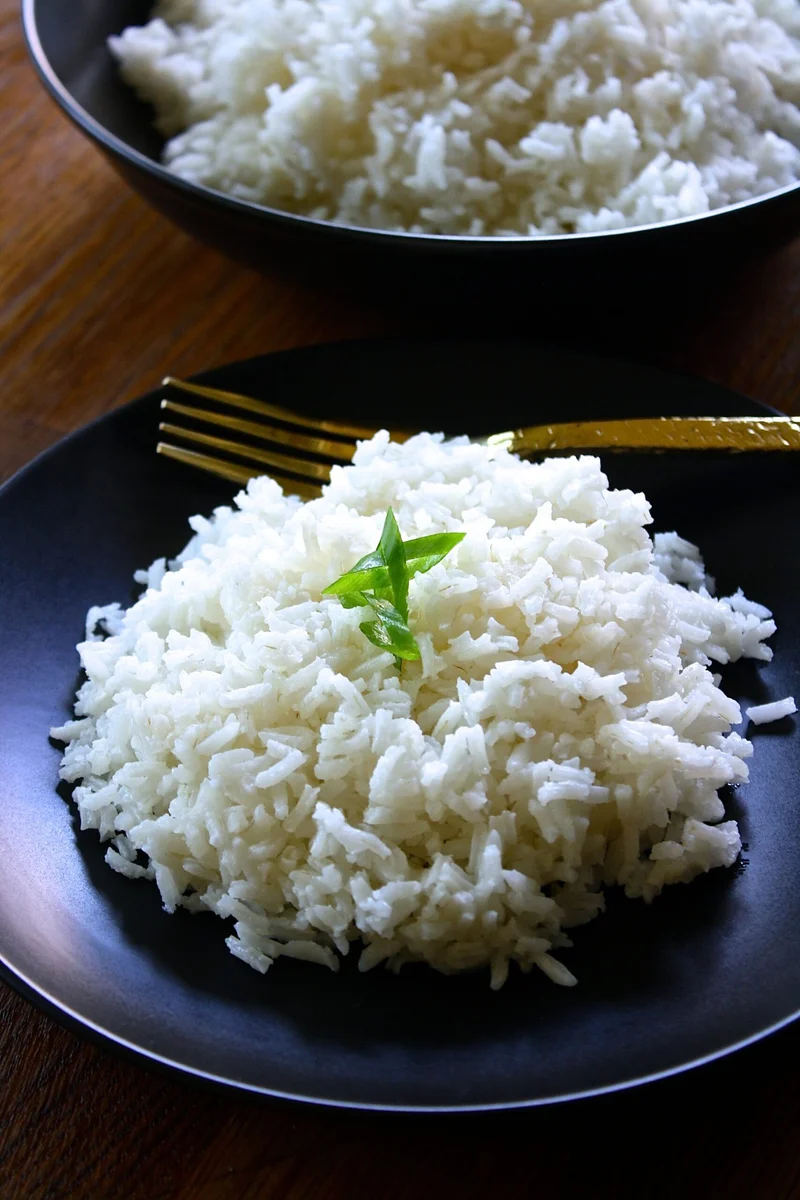
This Venezuelan-style white rice is cooked with garlic and olive oil for a simple, fluffy side that pairs easily with everyday meals. Rinsing the rice and keeping the pot covered during simmering help the grains cook evenly.
Ingredients
- 7.5 ml (1 1/2 teaspoons)olive oil
- 1garlic clove, crushed with the side of a knife
- 185 g (1 cup)Canilla rice, rinsed and drained
- 473 ml (2 cups), boilingwater
- 5 ml (1 teaspoon)kosher salt
Instructions
- 1
Heat the oil
Set a small pot over medium heat and add the olive oil.
- 2
Cook the garlic
Add the garlic and sauté for 1 minute, until it starts to turn golden.
- 3
Toast the rice
Add the rice and sauté for 1 minute, stirring constantly.
- 4
Add the water
Pour in the boiling water and cook for 1 minute.
- 5
Simmer the rice
Lower the heat, cover the pot and simmer gently for 12 minutes.
What is Venezuelan white rice?
White rice is a familiar everyday side in Venezuelan cooking, served alongside a wide range of meals. This version keeps the seasoning simple, using garlic, olive oil and salt to flavour the grains.
Rinsed rice is briefly sautéed before water is added, then cooks covered at a gentle simmer. That straightforward sequence makes it a handy accompaniment when you want distinct, tender grains.
Nutrition and macros by portion
The nutrition label shows one serving as written: 183 calories, 3g protein, 37g carbs, 2g fat.
| Portion | Adjustment | kcal | Protein | Carbs | Fat |
|---|---|---|---|---|---|
| Lighter | Use less olive oil | 128 kcal | 2g | 26g | 1g |
| This serving | As written | 183 kcal | 3g | 37g | 2g |
| Hungry | Serve a larger portion | 275 kcal | 5g | 56g | 3g |
The rice supplies most of the carbohydrates, while olive oil contributes most of the fat; the small amount of rice protein provides the modest protein in each serving. Pair it with beans or another protein-rich food and vegetables for a more balanced plate.
Rinsing and choosing the rice
Rinsing: Wash the rice before cooking and drain it well, as directed. This removes loose surface starch that can make the finished grains stick together.
Rice: The recipe specifies Canilla rice. Different rice types can absorb water and cook at different rates, so follow the stated timing as a guide and check the texture near the end.
Build flavour before simmering
Garlic: Crush the clove with the side of a knife so it can flavour the oil as it cooks. Watch for the first hint of golden colour; the recipe calls for 1 minute of sautéing.
Rice: Stir constantly as the grains sauté for 1 minute. This coats them with the seasoned oil before the boiling water goes in.
Keep the simmer gentle
Heat: After adding the water and cooking for 1 minute, lower the heat and cover the pot. A gentle simmer is the goal for the 12-minute covered cook.
Lid: Keep the pot covered while the rice simmers so the steam stays inside. Avoid stirring during this stage, which can disturb the grains.
Check texture and doneness
Timing: The recipe gives 12 minutes of covered simmering after the initial cooking steps. Pot size and hob strength can affect how quickly the water is absorbed, so check the rice at the end of that time.
Texture: The grains should be tender, with no standing water in the pot. If the rice is still firm, cover it again and continue cooking gently until tender.
Serve it with
Pairings: Serve the rice with beans, vegetables, eggs or a main dish with sauce. Its mild garlic flavour works well alongside more strongly seasoned food.
Portions: Fluff the rice gently before serving, then divide it between four plates. It can also be set out as a simple base for a meal with several accompaniments.
Recipe notes & tips
- Drain the rinsed rice thoroughly so extra water does not change the recipe's proportions.
- Use boiling water as specified to keep the cooking sequence on track.
- Stir constantly during the 1-minute sauté so the rice does not catch on the bottom of the pot.
- Once the pot is covered, keep the heat low enough for a gentle simmer.
- Check the rice at 12 minutes and avoid stirring it repeatedly while it cooks.
Variations
- More garlic: Add another crushed clove for a stronger garlic flavour.
- Herb finish: Scatter chopped fresh parsley over the rice just before serving.
- Citrus lift: Add a little lime juice after cooking for a fresh, tangy note.
- Vegetable side: Serve with cooked vegetables alongside rather than changing the rice method.
- Richer finish: Stir a small knob of butter through the cooked rice before serving.
Common mistakes to avoid
- Skipping the rinse: Loose starch can make the grains stick; rinse and drain the rice first.
- Burning the garlic: It can turn bitter if it browns too far; stop sautéing once it starts to colour.
- Stirring too little at first: Rice can catch during the sauté; stir constantly for the full minute.
- Boiling too vigorously: The rice may cook unevenly; lower the heat after the initial 1-minute cook with the water.
- Lifting the lid often: Escaping steam can interrupt the simmer; leave the pot covered for the 12 minutes.
How to store
Cool leftover rice promptly, refrigerate it in a covered container and use within 3–4 days. Reheat until steaming hot, adding a small splash of water if needed to loosen the grains.
Frequently asked questions
Should I rinse the rice first?
Yes. The ingredient list specifies rinsed and drained rice, which helps wash away loose surface starch.
Can I use a different type of rice?
You can, but the water absorption and cooking time may differ from Canilla rice. Check the package guidance and watch the texture as it cooks.
Why is the water added boiling?
The recipe specifies boiling water so it can be added directly after the rice has sautéed. Measure it before pouring it into the pot.
When should I check whether the rice is done?
Check after the 12-minute covered simmer. The grains should be tender and the water absorbed; if needed, continue cooking gently with the pot covered.
Can I make the rice ahead?
Yes. Refrigerate it promptly in a covered container and reheat until steaming hot before serving.
Cook it from the original
This recipe comes from enrilemoine.com. Their page has the author’s own photos, notes and tips — the best place to cook it from.
Open the recipe on enrilemoine.com