
Hibiscus Tea Recipe
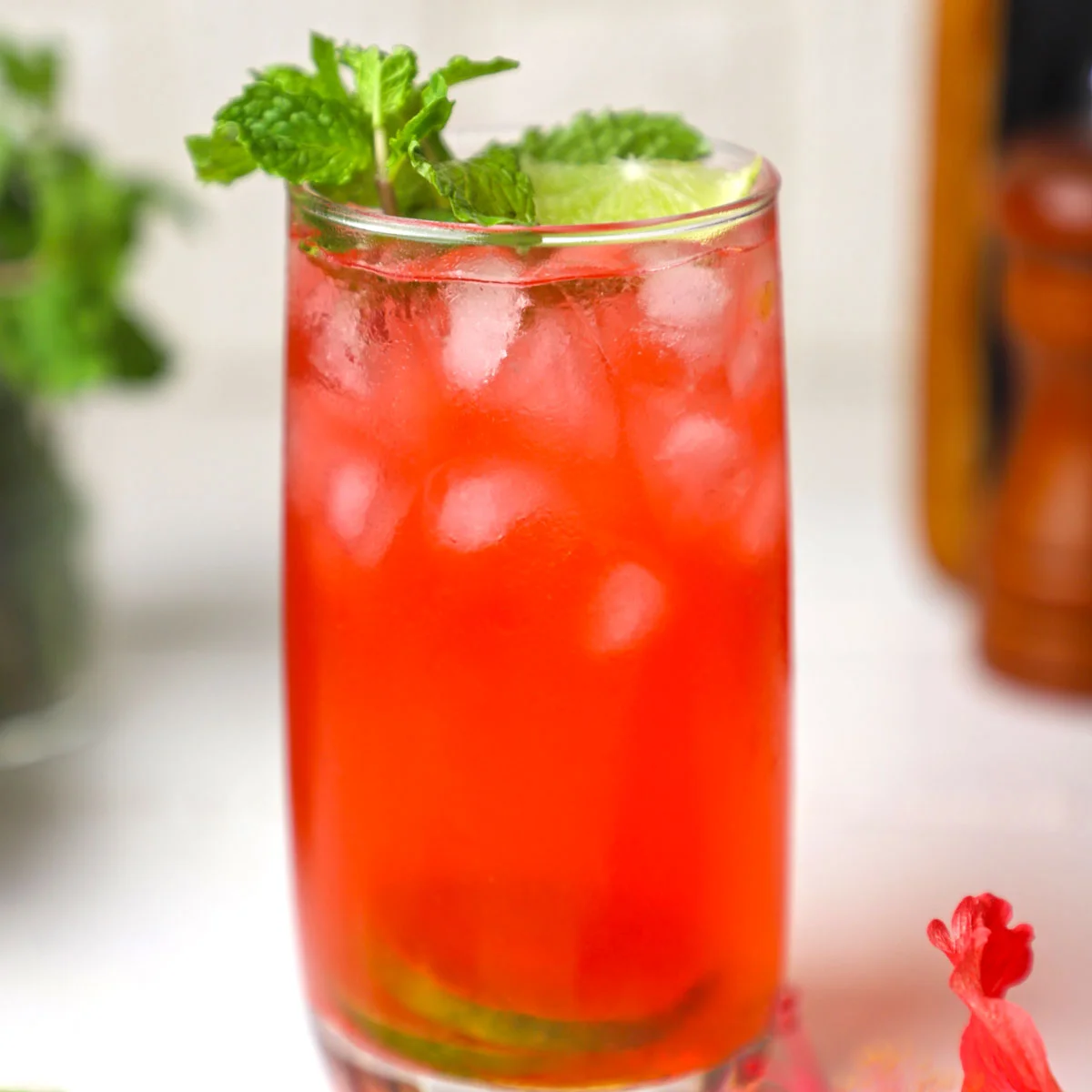
This hibiscus tea is made by steeping fresh petals in hot water, then serving the infusion chilled with lemon and mint. It is a simple, floral drink that can be sweetened to taste.
Ingredients
- 8red hibiscus flowers
- 500 mlwater
- 2 tablespoons (30 ml)lemon juice
- 2 tablespoons (about 30 ml)honey or maple syrup, to taste
- a fewmint leaves
- to tastelemon slices
Instructions
- 1
Pick the flowers
Choose blooming hibiscus flowers that are free of blemishes.
- 2
Wash gently
Rinse the flowers carefully in room-temperature water so they are not damaged.
- 3
Separate the petals
Keep the petals and discard the stamen, calyx, pistil and pollen.
- 4
Brew the tea
Bring the 500 ml of water to the boil in a kettle or saucepan. Add the petals and boil for 2–3 minutes, then turn off the heat and leave to steep for 10–15 minutes. Stir your chosen sweetener into the warm tea.
- 5
Serve over ice
Strain the tea. For iced tea, put ice cubes, lemon juice, lemon wedges and mint leaves in a serving glass. Pour in the hibiscus tea and stir. Taste and add more sweetener if needed.
- 6
Finish the drink
The hibiscus iced tea is ready to serve.
What is hibiscus tea?
Hibiscus tea is a floral infusion made by steeping hibiscus petals in water. Hibiscus drinks are popular in many parts of the world, including across Asia, though recipes and serving styles vary.
This version uses fresh petals and turns the infusion into a chilled drink with lemon and mint. Steeping after a brief boil lets the petals flavour the water without keeping them bubbling for the full brewing time.
Nutrition and macros by portion
The nutrition label shows one serving as written: 1 calories, 0g protein, 0g carbs, 0g fat.
| Portion | Adjustment | kcal | Protein | Carbs | Fat |
|---|---|---|---|---|---|
| Lighter | Use less sweetener | 1 kcal | 0g | 0g | 0g |
| This serving | As written | 1 kcal | 0g | 0g | 0g |
| Hungry | Serve with a snack | 2 kcal | 0g | 1g | 0g |
The drink’s energy and carbohydrates come mainly from the honey or maple syrup, with a smaller contribution from lemon juice; the tea itself provides very little protein or fat. Pair a glass with a protein-rich snack, such as yoghurt, if serving it as part of a more filling break.
Choosing and preparing the flowers
Flower choice: use blooming, unblemished flowers, as the recipe specifies. Make sure they are an edible hibiscus variety and have not been treated with pesticides or other chemicals.
Petal preparation: rinse gently, then separate the petals from the flower parts listed in the method. Handle them carefully so they remain intact.
Getting the infusion right
Brief boil: boil the petals for 2–3 minutes, then take the pan off the heat. This is the first part of the brewing process, not the full steep.
Steeping time: leave the tea for 10–15 minutes before straining. Steeping gives the water time to take on the petals’ flavour and colour.
Sweetening and balancing the flavour
Sweetener: stir honey or maple syrup into the tea while it is warm so it blends in easily. Start with the stated amount, then taste and adjust if needed.
Citrus: lemon juice is added to the glass, where it brings a bright note to the floral tea. Lemon slices add extra citrus character as the drink sits.
Making it an iced drink
Chill by serving: add ice to the glass before pouring in the tea, then stir with the lemon juice and mint. This method serves the tea cold without changing the brewing steps.
Mint: use a few leaves as directed, and stir them through the drink. They add a fresh aroma alongside the lemon.
What to serve with hibiscus tea
Serve the iced tea on its own as a refreshing drink, or alongside a light snack such as fruit or a simple savoury bite. Its lemon and floral notes work well with lightly flavoured foods.
For a gathering, brew the infusion ahead of time and pour it over ice just before serving. Keep any extra sweetener available for guests to adjust their glasses.
Recipe notes & tips
- Use only edible hibiscus flowers that are clean and untreated.
- Wash the flowers gently before separating the petals.
- Set a timer for the 2–3-minute boil and the 10–15-minute steep.
- Strain the tea before adding it to the serving glass.
- Taste the drink after stirring in the lemon and add sweetener gradually.
Variations
- Maple version: use maple syrup instead of honey for a different sweetener.
- Less sweet: begin with less honey or syrup and adjust after tasting.
- More citrus: add extra lemon slices to the glass.
- Mint-forward: add a few more mint leaves when serving.
- Warm serving: strain the infusion and serve it warm instead of pouring it over ice.
Common mistakes to avoid
- Using unsuitable flowers: choose an edible, untreated hibiscus variety.
- Rough washing: rinse gently to avoid bruising or tearing the petals.
- Boiling too long: stop after 2–3 minutes, then steep off the heat.
- Skipping the steep: leave the tea for 10–15 minutes before straining.
- Adding too much sweetener at once: stir in the stated amount, taste, then adjust.
How to store
Store strained tea in a covered container in the fridge and use within 2–3 days. Add ice, lemon and mint when serving; stir before pouring if the tea has been sitting.
Frequently asked questions
Can I use dried hibiscus instead of fresh flowers?
This method is written for fresh flowers, so the flavour and strength may differ with dried hibiscus. Use a recipe designed for dried petals if you want consistent quantities.
Do I need to remove the flower parts besides the petals?
Yes, this recipe calls for using the petals and discarding the stamen, calyx, pistil and pollen. Separate them after washing the flowers.
How long should the petals steep?
After boiling the petals for 2–3 minutes, turn off the heat and steep for 10–15 minutes before straining.
Can I make the tea ahead?
Yes. Brew and strain it ahead, then refrigerate it in a covered container. Add ice, lemon and mint when you are ready to serve.
Can I adjust the sweetness?
Yes. The recipe allows for sweetener to taste, so begin with the listed amount and add more after tasting if you prefer.
Cook it from the original
This recipe comes from funfoodfrolic.com. Their page has the author’s own photos, notes and tips — the best place to cook it from.
Open the recipe on funfoodfrolic.com