
Pumpkin Basque Cheesecake
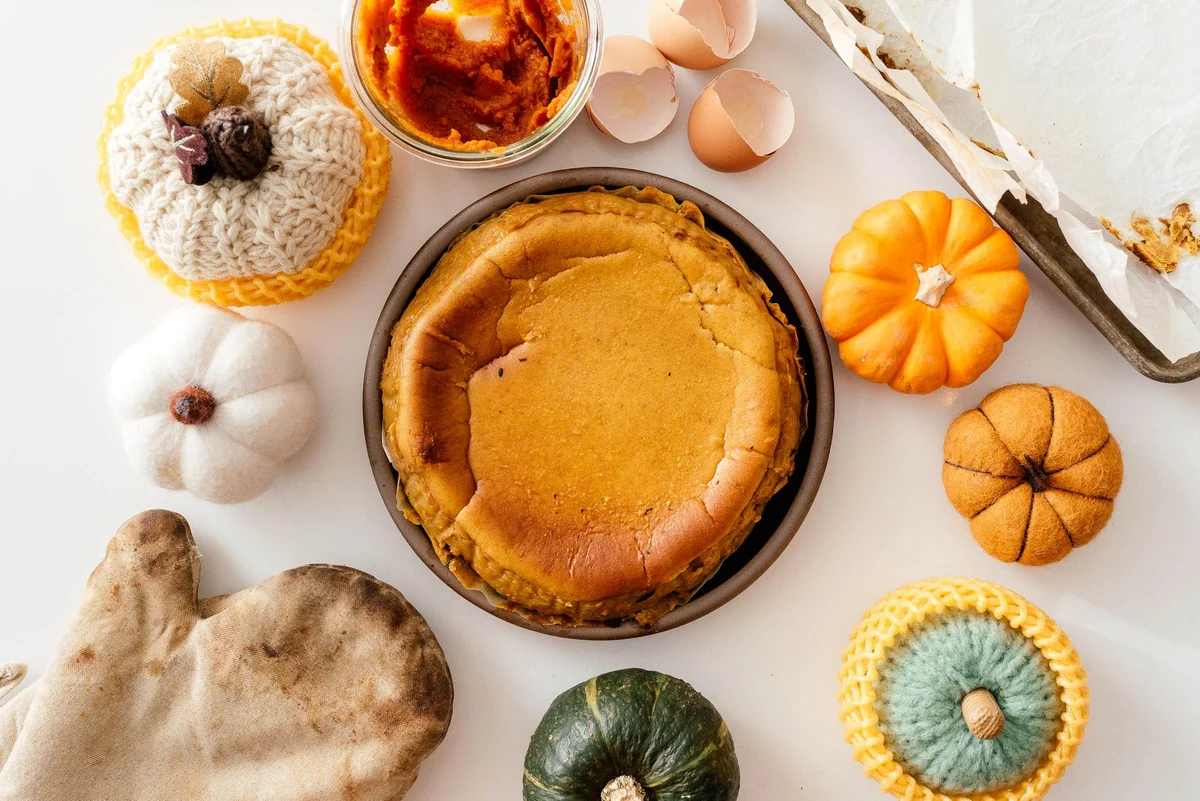
This pumpkin Basque cheesecake pairs a rich, creamy centre with the deep, burnished top typical of the style. It is a simple way to bring warm autumn spices and pumpkin into a dessert without losing the classic cheesecake texture.
Ingredients
- 454 g (16 oz; two 8 oz blocks), softened to room temperaturecream cheese
- 150 g (¾ cup)sugar
- 4 largeeggs
- 120 g (½ cup)tinned pure pumpkin purée or puréed kabocha
- 2 tspground cinnamon
- 1 tspground ginger
- ½ tspground nutmeg
- ¼ tspground cloves
- 180 ml (¾ cup)double cream
Instructions
- 1
Prepare the tin
Heat the oven to 220°C (430°F), using the convection setting if available. Line a 15 cm (6 inch) round cake tin, 7.5 cm (3 inches) deep, with baking parchment that extends about 5 cm (2 inches) above the rim. Double-line it if you want the cake to release more easily.
- 2
Beat cheese and sugar
Using a stand mixer or a bowl and whisk, beat the cream cheese and sugar until smooth, light and fluffy, with no lumps and no undissolved sugar. Scrape down the bowl.
- 3
Add the eggs
Beat in the eggs one at a time, mixing until each is incorporated and the batter is smooth before adding the next. Scrape down the sides of the bowl as needed.
- 4
Mix in pumpkin
Gently mix in the pumpkin purée and spices.
- 5
Add the cream
Pour in the cream slowly and mix only until combined.
- 6
Bake the cheesecake
Pour the batter into the prepared tin and bake for 25–30 minutes. The top should be dark amber while the centre still wobbles when moved. Bake a little longer for a more caramelised top, bearing in mind that the centre will be less gooey.
- 7
Cool in the tin
Take the cheesecake out of the oven and leave it in the tin on a wire rack at room temperature until completely cool.
- 8
Serve or chill
Remove the cake from the tin and slice at room temperature for a gooey, lava-like centre. For a soft, creamy texture without the ooze, chill it in the fridge before serving.
What is Basque cheesecake?
Basque cheesecake is known for its deeply browned top and soft, custardy middle, rather than the pale, even finish of a traditional baked cheesecake. It originated in San Sebastián, in Spain’s Basque Country.
This version adds pumpkin and warming spices to the cream-cheese mixture. Baking it at high heat gives the surface its characteristic colour while the centre stays tender.
Nutrition and macros by portion
The nutrition label shows one serving as written: 350 calories, 8g protein, 24g carbs, 26g fat.
| Portion | Adjustment | kcal | Protein | Carbs | Fat |
|---|---|---|---|---|---|
| Lighter | Serve a smaller slice | 245 kcal | 6g | 17g | 18g |
| This serving | As written | 350 kcal | 8g | 24g | 26g |
| Hungry | Larger cheesecake slice | 525 kcal | 12g | 36g | 39g |
The cream cheese and double cream provide most of the fat, while the sugar contributes carbohydrates; the eggs and cream cheese supply much of the protein. Pair a slice with fresh fruit, or serve a smaller slice after a meal, to balance its richness.
Choose and soften the ingredients
Cream cheese: let it come to room temperature before mixing so it blends smoothly with the sugar and is less likely to leave lumps.
Pumpkin: use pure pumpkin purée, not sweetened pumpkin pie filling. Puréed kabocha is an alternative named in the recipe.
Cream: add it gradually at the end and stop mixing once it is incorporated, keeping the batter smooth without unnecessary beating.
Line the tin generously
Parchment: use enough to rise about 5 cm above the tin’s rim, since the cake rises as it bakes. Double-lining is an optional extra to help it release cleanly.
Tin size: the method specifies a 15 cm round tin that is 7.5 cm deep. A different size changes the batter’s depth, so the bake time and centre may differ.
Mix gently at the right stages
Eggs: add them individually, making sure each is mixed in before the next goes into the bowl. Scrape the sides as needed so the batter stays even.
Pumpkin and spices: fold or mix them in gently to distribute the flavour without overworking the batter.
Cream: pour it in slowly and mix just until combined; the recipe does not call for whipping it separately.
Read the bake cues
Colour: look for a dark amber surface after 25–30 minutes at 220°C (430°F). An oven with convection may brown the top differently, so keep an eye on it near the end.
Centre: a wobble in the middle is intentional and indicates the soft texture described in the method. More time deepens the colour but makes the centre less gooey.
Cool before slicing
Room temperature: cool the cheesecake fully in its tin on a wire rack before removing it. This gives it time to settle and makes it easier to handle.
Serving texture: slice it at room temperature for the most flowing centre. Chilling gives a firmer, soft-and-creamy slice with less ooze.
What to serve alongside it
Fruit: serve with fresh berries or sliced pear for a bright contrast to the rich, spiced filling.
Coffee or tea: a small cup of unsweetened coffee or tea works well alongside a slice without adding more sweetness.
Recipe notes & tips
- Bring the cream cheese to room temperature before mixing to make a smoother batter.
- Scrape down the bowl after beating the cream cheese and sugar and while adding the eggs.
- Use pure pumpkin purée rather than sweetened pie filling.
- Keep the baking parchment above the rim to help contain the rising batter.
- Begin checking the cake at 25 minutes and use the dark top and wobbly centre as your cues.
- Let the cheesecake cool completely before removing it from the tin.
Variations
- Use kabocha: replace the pumpkin purée with puréed kabocha, as suggested in the recipe.
- Deepen the top: bake a little longer for more caramelisation, knowing the centre will be less gooey.
- Chill before serving: refrigerate the cooled cake for a firmer, creamy slice.
- Serve at room temperature: slice the fully cooled cake without chilling for the gooey centre.
Common mistakes to avoid
- Cold cream cheese: it can leave lumps; soften it to room temperature before beating.
- Adding all the eggs together: the batter may not combine evenly; add them one at a time.
- Overmixing after the cream: the recipe calls for mixing only until the cream is incorporated.
- Baking until the centre is firm: this loses the intended gooey texture; remove it while the middle still wobbles.
- Using too little parchment: the cake can rise above the lining; leave about 5 cm over the tin’s rim.
- Slicing while warm: the cake has not cooled fully; let it reach room temperature in the tin first.
How to store
Once completely cool, cover the cheesecake and store it in the fridge; eat it within 3 days. Bring a slice to room temperature for a gooier texture, or serve it chilled for a firmer centre.
Frequently asked questions
Can I use kabocha instead of pumpkin?
Yes. The recipe gives puréed kabocha as an alternative to pure pumpkin purée.
How do I know when it is baked?
After 25–30 minutes at 220°C (430°F), look for a dark amber top and a centre that still wobbles.
Can I make the centre less gooey?
Bake it a little longer, or chill the completely cooled cheesecake before serving. Both result in less of the flowing centre.
Should I use a fan oven?
The recipe suggests using convection mode if your oven has it. Keep the stated temperature and check the colour and wobble as it approaches the end of the bake.
Can I serve it straight from the fridge?
Yes. Chilled, it has a soft, creamy texture without the ooze; at room temperature, the centre is gooier.
Why does the tin need a parchment overhang?
The parchment should extend about 5 cm above the rim to accommodate the rising cake and make it easier to lift out.
Cook it from the original
This recipe comes from iamafoodblog.com. Their page has the author’s own photos, notes and tips — the best place to cook it from.
Open the recipe on iamafoodblog.com