
Ricotta Gnocchi
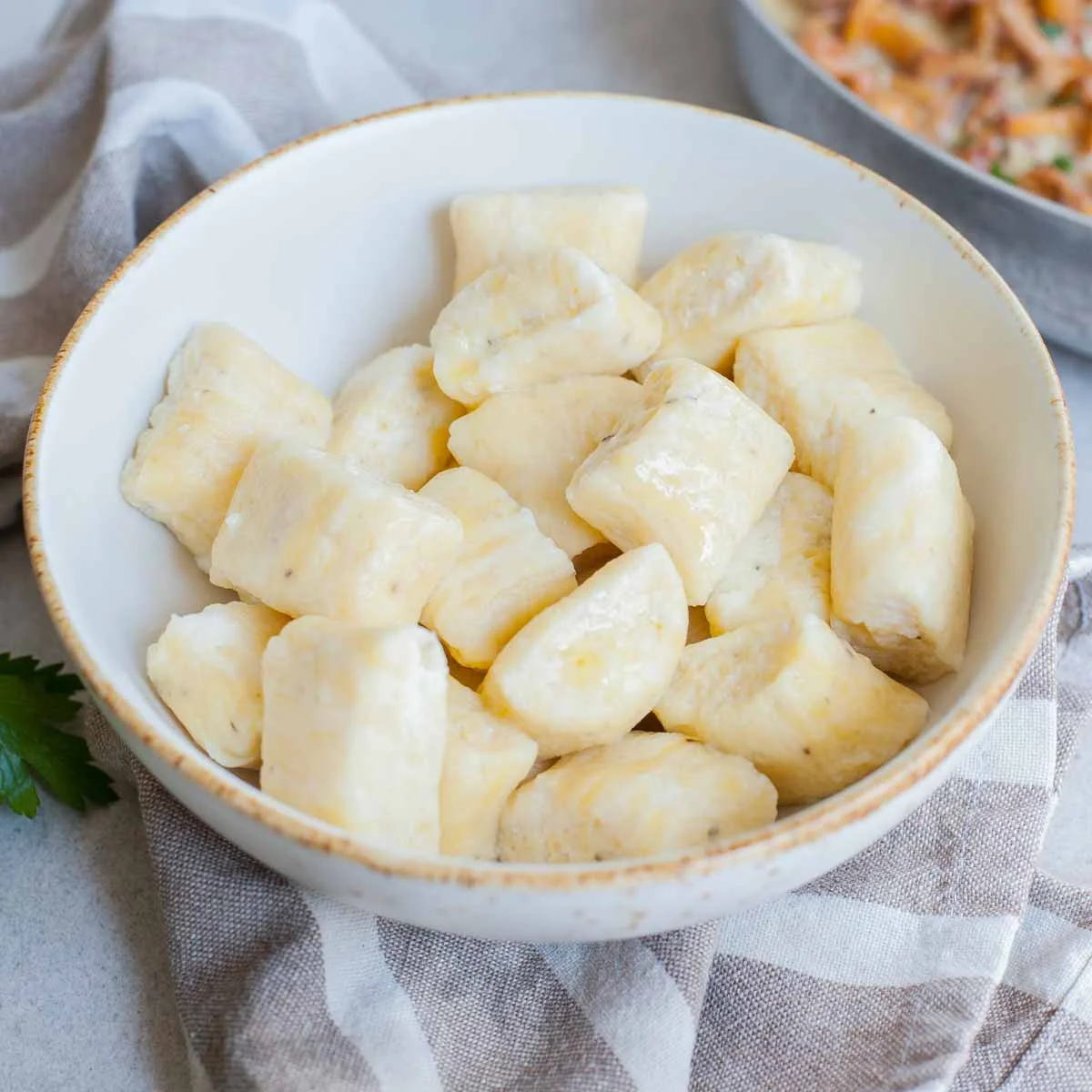
These soft Italian ricotta gnocchi are a quick alternative to potato gnocchi, made with ricotta, eggs, flour and Parmesan. The dough comes together in minutes, making them a lovely choice for a comforting meal without a long preparation.
Ingredients
- 425 g (15 oz)whole-milk, full-fat ricotta
- 2 largeeggs
- 125 g (1 cup), plus extra for working with the doughplain flour, spooned and levelled
- 90 g (1 cup)finely grated Parmesan, grated on the small holes of a box grater
- 1 teaspoon, or to tastefine sea salt
- 1/8 teaspoonground black pepper
Instructions
- 1
Drain the ricotta
Lay two layers of kitchen paper on a large plate and spread the ricotta over them. Carefully press it with more kitchen paper or a clean tea towel to draw out excess moisture, then gently peel the paper away by its edge. Repeat to remove as much moisture as possible.
- 2
Mix the dough
Lightly beat the eggs in a large bowl. Add the drained ricotta, Parmesan, flour, salt and pepper, then mix briefly until combined. The dough need not be completely smooth; avoid overmixing.
- 3
Shape the gnocchi
Transfer about a quarter of the dough to a well-floured wooden board. Gently roll it into a wide cylinder about 2.5 cm (1 inch) thick, dusting off excess flour. Cut it into pieces 3–4 cm (1–1½ inches) long and repeat with the remaining dough.
- 4
Boil the gnocchi
Bring a large pot of well-salted water to the boil. Cook the gnocchi in four batches. Once they float to the surface, cook them for a further 2 minutes, then lift them out with a slotted spoon and transfer to a plate.
- 5
Serve the gnocchi
Enjoy the cooked gnocchi.
What are ricotta gnocchi?
Gnocchi are Italian dumplings, and this version uses ricotta rather than potato as its base. Ricotta gnocchi are known for their tender, light texture and relatively quick preparation.
Here, Parmesan adds savoury depth while eggs and flour help the soft cheese hold together. Draining the ricotta well is key to making a dough that is easier to shape.
Nutrition and macros by portion
The nutrition label shows one serving as written: 757 calories, 0g protein, 0g carbs, 0g fat.
| Portion | Adjustment | kcal | Protein | Carbs | Fat |
|---|---|---|---|---|---|
| Lighter | Serve with extra greens | 530 kcal | 0g | 0g | 0g |
| This serving | As written | 757 kcal | 0g | 0g | 0g |
| Hungry | Make a larger batch | 1136 kcal | 0g | 0g | 0g |
The flour supplies most of the carbohydrates, while ricotta and Parmesan contribute much of the fat and protein; the eggs also add protein and fat. For a more balanced plate, serve a portion with plenty of vegetables or a green salad.
Why draining the ricotta matters
Moisture: Ricotta can vary in how wet it is, and extra water can make the dough sticky and difficult to handle. Pressing it gently between layers of kitchen paper helps remove some of that moisture before mixing.
Gentle handling: Don’t press so forcefully that the ricotta is mashed into the paper. Peel the paper away slowly, then repeat with fresh paper if the cheese still seems very wet.
Getting the dough right
Mixing: Combine the ingredients just until they come together; a perfectly smooth dough is not the goal. Too much mixing can make the gnocchi heavier.
Flour: Use a well-floured board and add extra flour as needed to prevent sticking. Brush away loose excess before cutting so the pieces don’t carry a thick coating into the water.
Shaping even pieces
Logs: Work with about a quarter of the dough at a time, rolling each portion gently into a cylinder about 2.5 cm thick. The dough is soft, so use a light touch rather than pressing it firmly against the board.
Cutting: Aim for pieces 3–4 cm long and roughly similar in size. Even pieces are easier to cook consistently.
How to tell when they’re cooked
Floating: The gnocchi rise to the surface as they cook, but this recipe calls for another 2 minutes in the boiling water after that point. Lift them out with a slotted spoon so water can drain away.
Batches: Cook them in four batches rather than tipping everything into the pot at once. This leaves the gnocchi room to move and makes it easier to spot when they float.
Serving ideas
Sauce: Serve the gnocchi with a sauce of your choice, or keep the meal simple with a little butter and extra Parmesan. Add sauce gently so the soft dumplings stay intact.
On the side: A crisp green salad or cooked vegetables make a fresh contrast to the rich ricotta and cheese. Serve promptly after boiling for the softest texture.
Recipe notes & tips
- Drain the ricotta thoroughly so the dough is easier to shape.
- Mix only until the ingredients are combined; the dough can remain a little uneven.
- Flour the board generously to help the soft dough release as you roll it.
- Cut the logs into similar-sized pieces so they cook at a similar rate.
- Use a slotted spoon to lift the cooked gnocchi out of the water.
Variations
- Herb finish: Toss the cooked gnocchi with chopped fresh herbs just before serving.
- Tomato sauce: Serve with a simple tomato sauce for a bright, savoury pairing.
- Butter and sage: Coat the cooked gnocchi in butter with sage leaves for a classic-style finish.
- Extra Parmesan: Grate more Parmesan over each serving at the table.
- Vegetable side: Pair with sautéed greens or roasted vegetables for colour and contrast.
Common mistakes to avoid
- Skipping the draining: Wet ricotta makes sticky dough, so press it gently between layers of kitchen paper first.
- Overmixing: A smooth dough is unnecessary; stop as soon as the ingredients are combined.
- Using too little flour on the board: The dough may stick while rolling, so dust the work surface well.
- Making uneven pieces: Very different sizes cook at different rates, so cut the logs into similar lengths.
- Crowding the pot: Too many pieces at once can make the water harder to manage; cook in the specified four batches.
How to store
For the best texture, serve the gnocchi soon after boiling. Refrigerate any cooked leftovers in an airtight container for up to 2 days and reheat gently in a pan with a little butter or sauce.
Frequently asked questions
Can I make the dough ahead?
It is best to shape and cook the gnocchi soon after mixing, as the soft dough can become harder to handle if left to sit. You can drain the ricotta ahead of time and keep it covered in the fridge.
Why is my dough sticky?
Ricotta often holds more moisture than expected. Drain it thoroughly and use extra flour on the board while shaping, without mixing excessive flour into the dough.
Do I need to shape the gnocchi with a fork?
No. This method cuts the rolled dough into pieces and does not call for fork ridges.
How do I know when the gnocchi are ready?
They float to the surface first. Cook them for a further 2 minutes, then remove them with a slotted spoon.
Can I freeze ricotta gnocchi?
The recipe does not specify freezing instructions. For the intended soft texture, cook and serve them fresh.
Cook it from the original
This recipe comes from everyday-delicious.com. Their page has the author’s own photos, notes and tips — the best place to cook it from.
Open the recipe on everyday-delicious.com