
Good Old Fashioned Pancakes
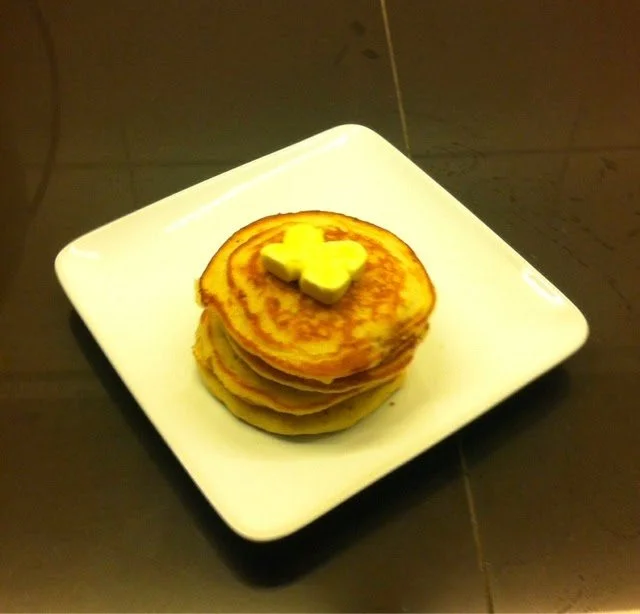
These classic pancakes are soft and tender, with a lightly buttery flavour and a balance of thickness that makes them easy to serve for breakfast or brunch. The batter comes together in one bowl and cooks quickly on a griddle or frying pan.
Ingredients
- 188 g (1½ cups)plain flour
- 5 g (1½ teaspoons)baking powder
- 6 g (1 teaspoon)salt
- 13 g (1 tablespoon)sugar
- 300 ml (1¼ cups)milk
- 1egg
- 42 g (3 tablespoons), meltedbutter
Instructions
- 1
Mix the batter
Sift the flour, baking powder and salt into a large bowl, then stir in the sugar. Make a well in the centre and add the milk, egg and melted butter. Mix until smooth.
- 2
Cook the pancakes
Warm a lightly oiled griddle or pancake pan over medium heat. Butter can be used instead of oil for a richer, old-fashioned flavour. Pour about 60 ml (¼ cup) of batter onto the hot surface and cook until browned on both sides.
- 3
Serve them hot
Serve the pancakes hot with butter and maple syrup, or top with strawberry or raspberry jam.
What are old-fashioned pancakes?
Pancakes are a familiar breakfast food in many places, and this simple American-style version uses a baking-powder batter rather than yeast. It cooks into a tender, gently risen pancake that is neither very thick nor especially thin.
The method keeps the ingredients straightforward: dry ingredients are combined first, then milk, egg and melted butter are mixed in. That gives the pancakes a soft texture and a pleasantly buttery taste.
Nutrition and macros by portion
The nutrition label shows one serving as written: 303 calories, 10g protein, 43g carbs, 11g fat.
| Portion | Adjustment | kcal | Protein | Carbs | Fat |
|---|---|---|---|---|---|
| Lighter | Use less butter | 212 kcal | 7g | 30g | 8g |
| This serving | As written | 303 kcal | 10g | 43g | 11g |
| Hungry | Add another pancake | 455 kcal | 14g | 65g | 17g |
The flour supplies most of the carbohydrates, while the milk and egg contribute protein. Butter, egg and whole milk account for much of the fat; serve a moderate stack with fruit or yoghurt to add variety to the plate.
Why the ingredients work
Raising agent: baking powder helps the batter puff as it cooks, giving the pancakes a light interior.
Butter and egg: melted butter adds richness, while the egg helps bind the batter and contributes to its tender texture.
Milk: milk loosens the flour into a pourable batter and helps it brown on the griddle.
Mix for a smooth batter
Dry ingredients: sifting the flour, baking powder and salt distributes them through the mixture and breaks up lumps before the liquid goes in.
Liquid ingredients: add the milk, egg and melted butter to the well in the centre, then mix until smooth as directed. Avoid prolonged beating, which can make pancakes less tender.
Get the pan temperature right
Steady heat: medium heat gives the centre time to cook while the outside turns golden. If the pan is too hot, the surface can brown before the pancake has cooked through.
Light coating: use just enough oil or butter to lightly coat the cooking surface. A heavy coating can make the edges greasy rather than evenly browned.
Look for even browning
First side: pour about 60 ml (¼ cup) of batter for each pancake and let it spread naturally. Cook until the underside is browned, then turn it over.
Second side: cook until browned on the other side as well. The recipe gives no exact cooking time, so use the colour and doneness of each pancake as your guide.
Choose your toppings
Classic finish: butter and maple syrup complement the pancakes’ mild, buttery flavour. Strawberry or raspberry jam is another suggested topping.
For a fuller plate, serve them with fresh fruit or plain yoghurt alongside. These additions bring freshness without changing the pancake method.
Recipe notes & tips
- Measure the flour by weight where possible for a consistent batter.
- Let the melted butter cool slightly before mixing it with the egg and milk.
- Preheat the pan over medium heat before adding the first portion of batter.
- Use about 60 ml (¼ cup) of batter per pancake for evenly sized portions.
- Keep cooked pancakes warm while you finish the remaining batter.
Variations
- Lighter batter: use 28 g butter, two egg whites instead of one whole egg, and 300 ml non-fat or low-fat milk.
- Berry topping: serve with strawberry or raspberry jam as suggested.
- Maple finish: drizzle with maple syrup and add a small pat of butter.
- Fruit side: serve with sliced berries or other fresh fruit.
- Yoghurt topping: add a spoonful of plain yoghurt for a tangy contrast.
Common mistakes to avoid
- Pan too hot: the outside may brown before the middle cooks; keep the heat at medium.
- Overmixing: a heavily beaten batter can make the pancakes less tender; stop once it is smooth.
- Too much cooking fat: a thick layer can make the pancakes greasy; lightly oil or butter the surface.
- Uneven portions: different amounts cook at different rates; measure about 60 ml (¼ cup) per pancake.
- Turning too soon: the first side needs time to brown; check the colour before flipping.
How to store
Refrigerate leftover pancakes in an airtight container for up to 3 days. Reheat in a frying pan over low heat or in a toaster until warmed through.
Frequently asked questions
Can I use low-fat milk?
Yes. The recipe description suggests non-fat or low-fat milk as part of its lighter variation.
Can I use egg whites instead of a whole egg?
Yes. The suggested lighter version uses two egg whites in place of one whole egg.
How much batter should I pour for each pancake?
Use about 60 ml (¼ cup) of batter per pancake, as directed in the method.
Can I cook these in a frying pan?
Yes. Use a pancake pan or griddle, lightly oiled or buttered, over medium heat.
What can I serve with the pancakes?
The recipe suggests butter and maple syrup, or strawberry or raspberry jam. Fresh fruit also makes a simple side.
Cook it from the original
This recipe comes from huangkitchen.com. Their page has the author’s own photos, notes and tips — the best place to cook it from.
Open the recipe on huangkitchen.com