
Tomato Ketchup Recipe
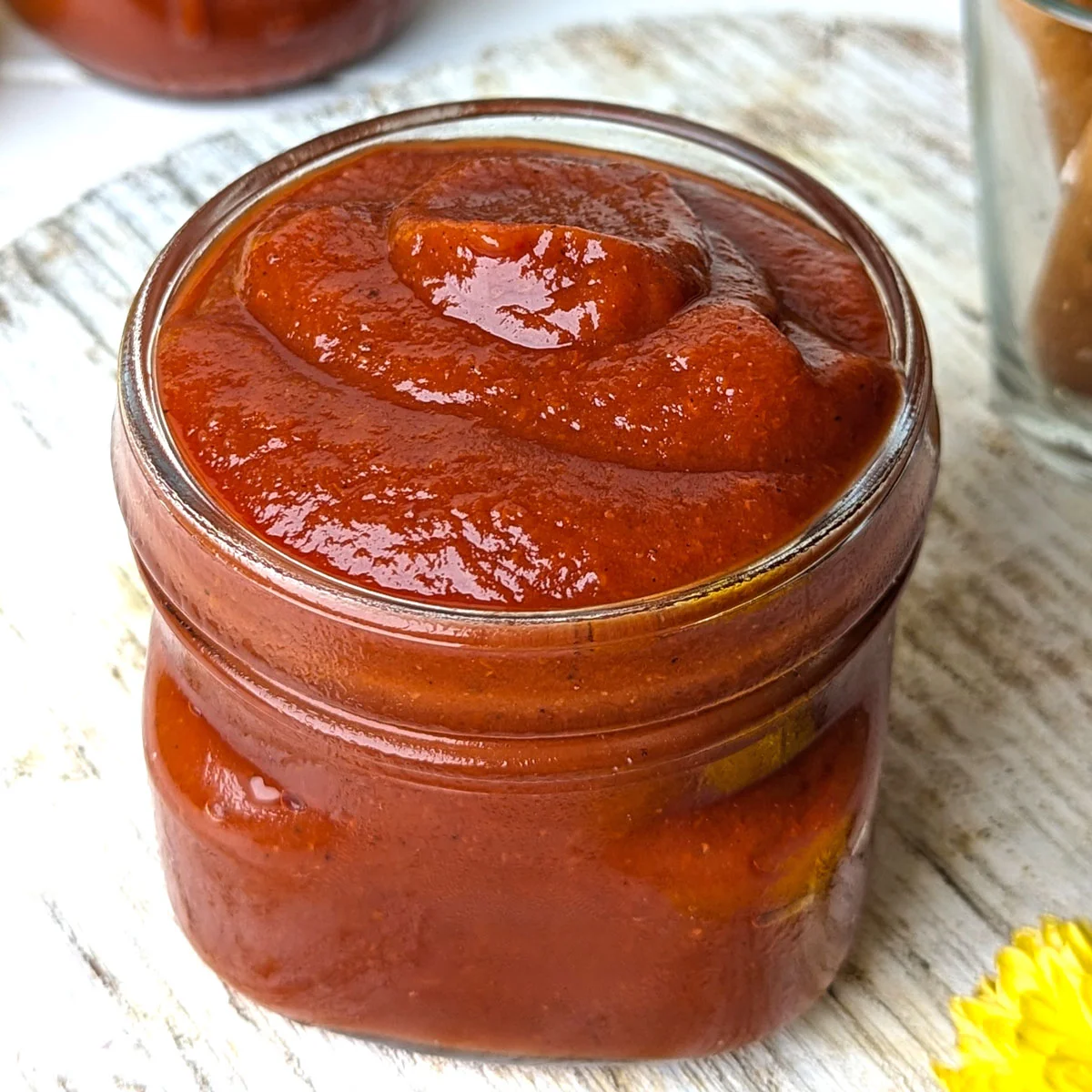
This homemade tomato ketchup combines tomatoes with beetroot, pepper, aromatics and spices for a smooth, sweet-and-tangy sauce. It takes time to simmer, but the method gives you control over the flavour and texture.
Ingredients
- 500 gtomatoes
- 1 mediumonion
- 1 smallbeetroot
- 1 smallred bell pepper
- 6garlic cloves
- 2.5 cm (1 inch)ginger
- 2.5 cm (1 inch)celery stalk
- 1 tablespoonblack peppercorns
- 4dried red chillies
- 1bay leaf
- 1 tablespoonsalt
- 60 ml (1/4 cup)water
- 50 g (1/4 cup)brown sugar
- 30 ml (2 tablespoons)apple cider vinegar
Instructions
- 1
Prepare the vegetables
Peel the beetroot, onion and ginger, then wash all the vegetables. Cut them into bite-sized chunks.
- 2
Load the cooker
Put the diced tomatoes, beetroot, bell pepper, onion, celery, ginger, garlic, whole spices and water into a pressure cooker. Close the lid and fit the whistle.
- 3
Pressure cook
Cook over low heat for 4 whistles, then let the pressure release naturally. The vegetables should be soft. Alternatively, use the pressure-cook setting on an Instant Pot for 8 minutes.
- 4
Blend the vegetables
Remove and discard the bay leaf, then let the cooked vegetables cool. Transfer them to a blender and puree until smooth without adding extra water. For hot liquids, fill the blender no more than halfway, hold the lid firmly in place with a towel and start at low speed, increasing it gradually.
- 5
Sieve the puree
Push the blended mixture through a fine-mesh sieve with the back of a spoon to remove any remaining seeds or bits of skin.
- 6
Simmer until thick
Stir in the apple cider vinegar, sugar and salt. Bring the mixture to a gentle boil, then turn the heat to low and simmer uncovered for 30 minutes, stirring occasionally. Cook until it has thickened and reduced by about one-third, with a rich, concentrated tomato flavour.
- 7
Balance the flavour
Taste the ketchup and adjust with more salt, pepper, sweetener or vinegar as needed. Keep in mind that the flavours will become more pronounced as it cools.
- 8
Cool and bottle
Leave the ketchup to cool completely at room temperature before transferring it to clean, airtight jars or bottles.
What is tomato ketchup?
Ketchup is a smooth, seasoned tomato sauce, commonly associated with American cooking and served alongside foods such as chips, burgers and sandwiches. This homemade version builds its flavour from vegetables, spices, sugar and vinegar rather than relying on a ready-made sauce.
Beetroot and red pepper add depth and colour, while sieving and simmering help create a cohesive, spoonable result.
Nutrition and macros by portion
The nutrition label shows one serving as written: 1 calories, 0g protein, 0g carbs, 0g fat.
| Portion | Adjustment | kcal | Protein | Carbs | Fat |
|---|---|---|---|---|---|
| Lighter | Use less brown sugar | 1 kcal | 0g | 0g | 0g |
| This serving | As written | 1 kcal | 0g | 0g | 0g |
| Hungry | Serve a larger spoonful | 2 kcal | 0g | 0g | 0g |
The tomatoes, beetroot, pepper and brown sugar provide most of the carbohydrates, while the added oil-free vegetable base means there is little fat. The vegetables contribute a small amount of protein; serve the ketchup alongside a protein-rich main and vegetables to balance the plate.
Why cook the vegetables under pressure?
Even chunks: cutting the vegetables into bite-sized pieces helps them soften during the pressure-cooking stage.
Natural release: letting the cooker release steam on its own gives the vegetables time to finish softening. Check that they are soft before blending.
Getting a smooth ketchup
Cool first: the recipe calls for the cooked vegetables to cool before blending. This also makes it easier to handle the mixture safely.
Blend carefully: do not fill the blender more than halfway with hot liquid, and secure the lid with a towel if blending while warm. Starting slowly helps avoid splashes.
Sieve thoroughly: press the puree through the mesh with the back of a spoon to catch lingering seeds and skin.
How to judge the simmer
Gentle heat: once the mixture reaches a gentle boil, lower the heat and leave it uncovered for the 30-minute simmer. Stir occasionally so it cooks evenly.
Thickness: aim for a reduction of about one-third and a thicker, concentrated sauce. The ketchup will also seem thicker once it has cooled.
Balancing sweet and tangy
Vinegar and sugar: apple cider vinegar brings tang, while brown sugar adds sweetness and rounds out the tomato flavour. Stir them in with the salt before simmering.
Final adjustment: taste after cooking and make small additions of salt, pepper, sweetener or vinegar. Let the ketchup cool before judging its final balance, because the flavours intensify as it cools.
Ways to serve it
Use this ketchup as a dip for chips or roasted potatoes, or spread it in a burger or sandwich. Its sweet, savoury and tangy notes also work alongside savoury snacks and simple grilled foods.
For a balanced plate, serve a modest spoonful with a meal that includes vegetables and a protein-rich food.
Recipe notes & tips
- Cut the vegetables into similar-sized chunks so they soften at a similar pace.
- Let the pressure release naturally before opening the cooker.
- Blend in batches if needed, keeping each batch no more than halfway up the blender jug.
- Press the puree through the sieve patiently to get a smoother texture.
- Stir occasionally during the uncovered simmer to help the ketchup reduce evenly.
- Taste again after cooling before making a final seasoning adjustment.
Variations
- Adjust the heat: use fewer dried red chillies for a milder ketchup.
- Change the sweetness: add the brown sugar gradually and adjust to taste.
- Make it tangier: add a little more apple cider vinegar after tasting.
- Deepen the spice: add a little more black pepper when balancing the finished ketchup.
- Use another vinegar: substitute a similar amount of another mild vinegar for the apple cider vinegar.
Common mistakes to avoid
- Overfilling the blender: hot puree can splash; blend in batches and keep the jug no more than halfway full.
- Adding water to the blender: extra water can make the ketchup thinner; blend the cooked vegetables without it.
- Skipping the sieve: seeds and skin can remain in the sauce; press the puree through a fine-mesh sieve.
- Simmering too briefly: the ketchup may stay thin; cook uncovered until it has reduced by about one-third.
- Seasoning too strongly while hot: flavours intensify as the sauce cools; make small adjustments and taste again later.
How to store
Once completely cool, transfer the ketchup to clean, airtight jars or bottles and refrigerate. Use within 1 week, and always take it out with a clean spoon. Reheat gently in a small pan if you prefer it warm.
Frequently asked questions
Can I make this without a pressure cooker?
The method gives an Instant Pot pressure-cook alternative of 8 minutes. For another pot, cook the vegetables with the water until soft before blending; check them for tenderness rather than relying on the pressure-cooker timing.
Why does the recipe include beetroot?
Beetroot is part of the vegetable base and adds depth and colour. It is cooked with the tomatoes and other vegetables before the mixture is blended.
Do I have to sieve the ketchup?
Sieving removes lingering seeds and bits of skin for a smoother sauce. Press the puree through the mesh with the back of a spoon.
How can I tell when the ketchup is thick enough?
After simmering for 30 minutes, it should be thicker and reduced by about one-third. It will thicken further as it cools.
Can I adjust the seasoning?
Yes. Taste the ketchup after simmering and add salt, pepper, sweetener or vinegar as needed, making small changes because the flavour intensifies as it cools.
How should I blend the mixture safely?
Let the vegetables cool first as directed. If blending while warm, fill the blender no more than halfway, hold the lid down firmly with a towel and start at low speed.
Cook it from the original
This recipe comes from funfoodfrolic.com. Their page has the author’s own photos, notes and tips — the best place to cook it from.
Open the recipe on funfoodfrolic.com