
Classic Vinaigrette Recipe
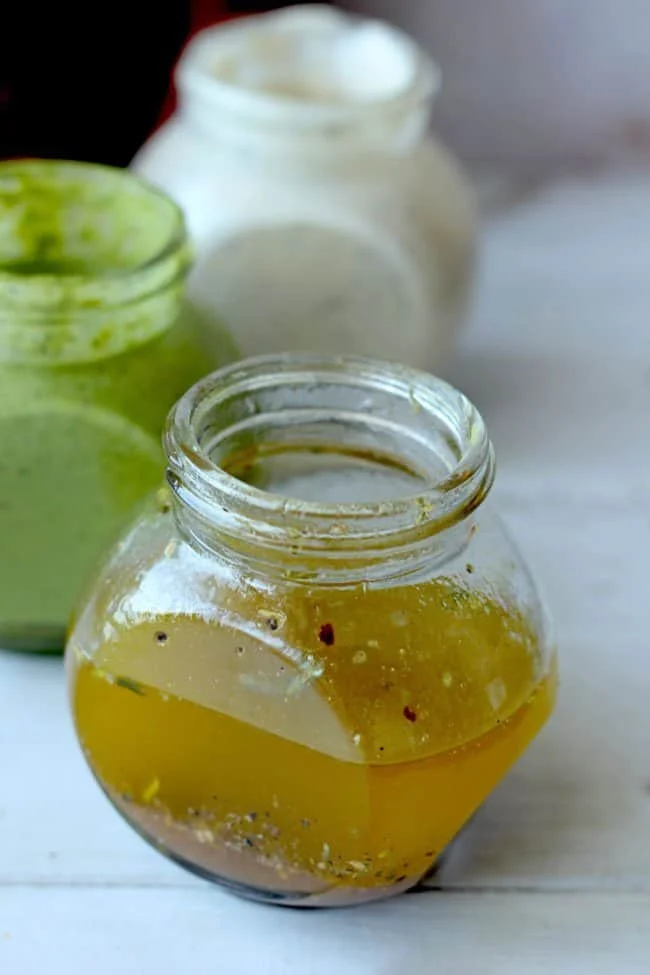
This classic vinaigrette combines extra virgin olive oil, white wine vinegar, Dijon mustard and garlic into a sharp, savoury salad dressing. It takes about 10 minutes to mix and is easy to adjust to suit your salad.
Ingredients
- 180 ml (¾ cup)extra virgin olive oil
- 60 ml (¼ cup)white wine vinegar
- to tastesalt and black pepper
- 1 teaspoonItalian herb mix (optional)
- 1 clovegarlic, crushed or grated
- 1 teaspoonDijon mustard
Instructions
- 1
Mix the base
In a small bowl, whisk the white wine vinegar, Dijon mustard and crushed or grated garlic together.
- 2
Season the mixture
Add salt, black pepper and the Italian herb mix, if using.
- 3
Whisk in oil
Pour in the olive oil in a slow, steady stream while whisking until the dressing is emulsified.
- 4
Adjust the seasoning
Taste the vinaigrette and adjust the seasoning to suit.
- 5
Shake before serving
Shake the dressing well before using.
What is a classic vinaigrette?
A vinaigrette is a simple dressing made by combining oil with vinegar, then seasoning it to taste. This Italian-style version adds garlic, Dijon mustard and optional Italian herbs for extra savoury flavour.
Mustard helps the oil and vinegar stay blended for longer, while whisking the oil in gradually gives the dressing a smooth, cohesive texture.
Nutrition and macros by portion
The nutrition label shows one serving as written: 1457 calories, 1g protein, 3g carbs, 162g fat.
| Portion | Adjustment | kcal | Protein | Carbs | Fat |
|---|---|---|---|---|---|
| Lighter | Use less olive oil | 1020 kcal | 1g | 2g | 113g |
| This serving | As written | 1457 kcal | 1g | 3g | 162g |
| Hungry | Larger portion | 2186 kcal | 2g | 5g | 243g |
The olive oil supplies nearly all the fat and most of the energy in a serving; the vinegar and herbs contribute a small amount of carbohydrate, while the mustard and garlic add only a little protein. Use a modest amount on a generous salad, or serve it alongside vegetables and a protein-rich ingredient such as beans or eggs to make a more balanced plate.
Choosing the ingredients
Olive oil: Extra virgin olive oil gives the dressing its rich flavour and is the main component, so choose one you enjoy tasting on its own.
Vinegar and mustard: White wine vinegar brings acidity, while Dijon adds tang and helps emulsify the mixture.
Garlic and herbs: Crushed or grated garlic spreads through the dressing readily. The Italian herb mix is optional, so leave it out for a cleaner garlic-and-vinegar flavour.
Getting a smooth emulsion
Whisk the vinegar, mustard and garlic together before adding the oil. Then pour the oil in slowly while whisking continuously to disperse it through the vinegar.
If the oil goes in too quickly, the dressing may separate sooner. Keep whisking as you drizzle, and shake it again before serving if it has settled.
Balancing the flavour
Taste the dressing after it is emulsified, when the oil and vinegar are combined. Add salt or pepper as needed, and check that the acidity and richness feel balanced for the food you plan to dress.
The recipe does not specify exact amounts of salt and pepper, so season gradually rather than adding a large amount at once.
Serving the vinaigrette
Shake or whisk the dressing shortly before using, then toss it with salad leaves or drizzle it over vegetables. Start with a little and add more only as needed, so the ingredients are lightly coated rather than saturated.
Its sharp, savoury profile also suits simple salads with tomatoes, cucumber or beans.
Recipe notes & tips
- Use a small bowl with enough room to whisk without splashing.
- Grate or crush the garlic finely so it is evenly distributed.
- Add the olive oil gradually rather than pouring it in all at once.
- Season a little at a time and taste before adding more.
- Shake the dressing well if it separates before serving.
Variations
- Leave out the herbs: Make a simpler dressing with olive oil, vinegar, mustard and garlic.
- Use lemon: Replace some of the vinegar with lemon juice for a brighter tang.
- Add fresh herbs: Stir in finely chopped parsley or basil just before serving.
- Make it milder: Use less garlic for a gentler flavour.
- Add honey: Whisk in a little honey for a touch of sweetness.
Common mistakes to avoid
- Adding the oil too fast: It can make the dressing separate; drizzle it in slowly while whisking.
- Using too much garlic: Its flavour can dominate; start with the recipe's one clove.
- Skipping the final taste: Check the seasoning after emulsifying and adjust it before serving.
- Dressing the salad too early: The leaves can become limp; toss them shortly before eating.
- Forgetting to shake: The ingredients can settle apart; shake or whisk the dressing just before use.
How to store
Keep leftover vinaigrette in a sealed container in the fridge and use it within 3–4 days. The oil may thicken when chilled, so let it stand briefly at room temperature and shake well before serving; it does not need reheating.
Frequently asked questions
Can I make this vinaigrette without mustard?
Yes. The dressing will still work, but it may separate more quickly and will lack mustard's tang. Shake it well immediately before serving.
Why has my vinaigrette separated?
Oil and vinegar naturally separate, especially after standing. Whisk or shake the dressing again before using it.
Can I prepare it ahead?
Yes, mix it ahead and store it in a sealed container in the fridge. Shake it well before serving.
How should I use the Italian herbs?
They are optional; add the teaspoon with the salt and pepper. You can leave them out if you prefer the flavour of the garlic, vinegar and oil on their own.
Can I use another vinegar?
Yes, another mild vinegar can be used, though it will change the flavour. Taste the finished dressing and adjust the seasoning as needed.
Cook it from the original
This recipe comes from funfoodfrolic.com. Their page has the author’s own photos, notes and tips — the best place to cook it from.
Open the recipe on funfoodfrolic.com