
Peel and Eat Shrimp with Caribbean Flavor
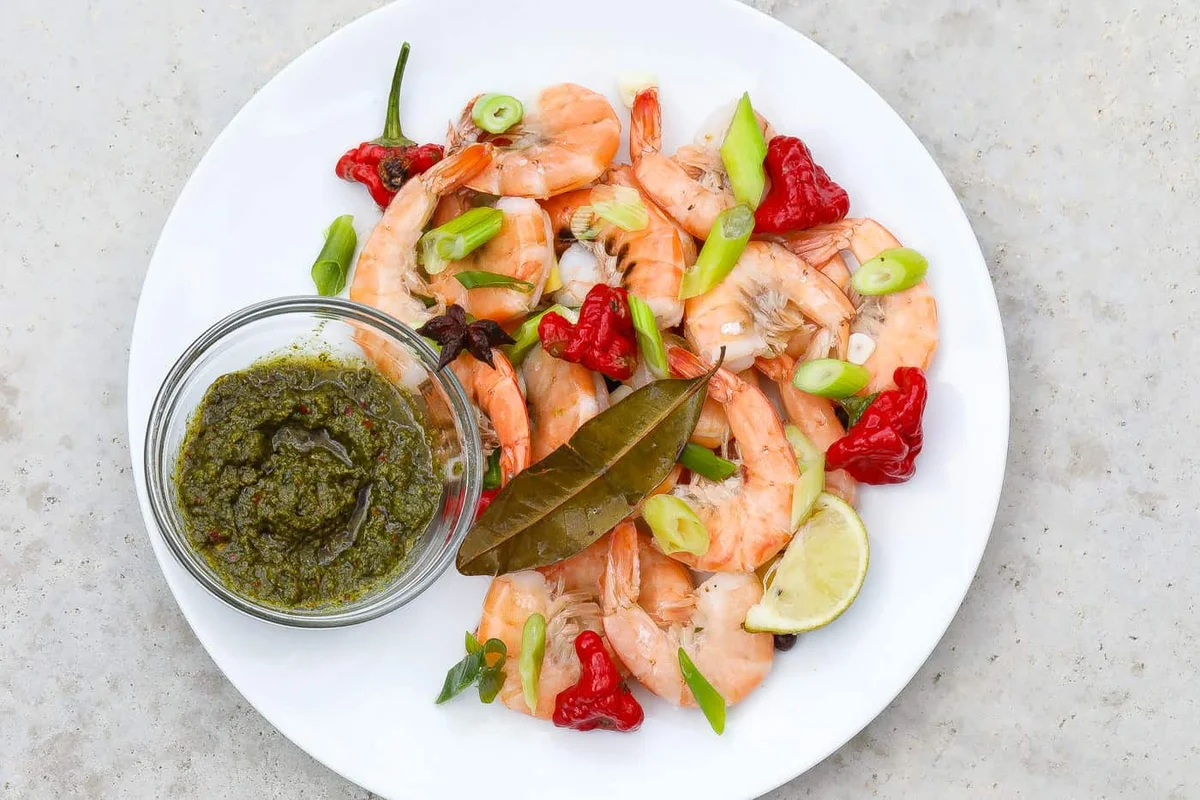
These peel-and-eat shrimp take inspiration from Caribbean flavours, poaching in coconut water infused with Scotch bonnet, thyme, pimento and ginger. They make a hands-on appetiser or light meal with a warmly spiced, chilli-forward broth.
Ingredients
- 480 ml (2 cups)coconut water
- 4, halvedScotch bonnet chillies
- 3, choppedspring onions
- 2.5 ml (½ tsp)thyme
- 15 ml (1 tbsp)pimento seeds
- 7.5 ml (½ tbsp)ginger chunks
- 4, crushedgarlic cloves
- 7.5 ml (½ tbsp)salt
- 5 ml (1 tsp)black pepper
- 1bay leaf
- 454 g (1 pound), unpeeled but deveineduncooked shrimp
Instructions
- 1
Heat the chillies
Heat the halved Scotch bonnets in a pan for 20–30 seconds.
- 2
Infuse the liquid
Add all the remaining ingredients except the shrimp. Bring to the boil, then lower the heat and simmer for 10 minutes so the flavours infuse the coconut water.
- 3
Poach the shrimp
Add the shrimp and bring the liquid back to the boil. Take the pan off the heat and leave the shrimp undisturbed for 20 minutes.
- 4
Peel and eat
Peel the shrimp and eat.
What are Caribbean peel-and-eat shrimp?
Peel-and-eat shrimp are cooked in their shells and served for diners to peel at the table. This Caribbean-inspired version borrows the poaching approach of shrimp cocktail, but infuses the cooking liquid with coconut water, Scotch bonnet and aromatic seasonings.
Coconut water gives the broth a gently sweet base, while pimento, thyme, ginger and garlic add depth. The shells help protect the shrimp during cooking and make this a relaxed, hands-on dish.
Nutrition and macros by portion
The nutrition label shows one serving as written: 164 calories, 6g protein, 35g carbs, 2g fat.
| Portion | Adjustment | kcal | Protein | Carbs | Fat |
|---|---|---|---|---|---|
| Lighter | Serve with more salad | 115 kcal | 4g | 25g | 1g |
| This serving | As written | 164 kcal | 6g | 35g | 2g |
| Hungry | Add rice or bread | 246 kcal | 9g | 53g | 3g |
The coconut water contributes most of the carbohydrates, while the shrimp provide the protein and the dish is low in fat. Salt contributes sodium, so serve with a fresh salad or vegetables and go easy on extra salty sides.
Build flavour in the coconut water
Chillies first: briefly heating the Scotch bonnets in the pan starts the process before the liquid goes in. Handle them carefully, and avoid touching your eyes after handling them.
Aromatics next: simmering the coconut water with the seasonings for 10 minutes gives their flavours time to spread through the liquid before the shrimp are added.
Keep an eye on the chilli
Scotch bonnets can be very hot, and leaving them whole but halved makes the broth's heat difficult to predict. For a milder result, use fewer chillies or remove them after infusing; for more heat, leave them in while the shrimp stand.
Judge the shrimp by their texture
The recipe uses residual heat after the liquid returns to the boil, with the pan removed from the heat for a 20-minute stand. Keep the shrimp in the hot liquid as directed, and check that they are opaque and firm before serving.
Shrimp can become tough if overcooked, so avoid extending the standing time without checking them. Size affects how quickly they cook, so use the texture as a guide.
Serve with something to catch the broth
Set out a bowl for the shells and plenty of napkins, as peeling at the table is part of the appeal. Serve the shrimp warm, with lime wedges or a simple salad if you like.
Rice, bread or boiled green bananas can turn the shrimp into a more substantial meal and provide something to pair with the spiced cooking liquid.
Make the seasoning your own
The salt, black pepper and pimento season the coconut-water poaching liquid as well as the shrimp. Taste the liquid before adding the shrimp and adjust the seasoning to suit your preference.
Recipe notes & tips
- Have a bowl ready for discarded shells before serving.
- Use kitchen tongs to handle the hot chillies and shrimp.
- Keep the shrimp in their shells while they poach, as the recipe directs.
- Set out napkins and finger bowls for easier eating.
- Check that the shrimp are opaque and firm before serving.
Variations
- Milder broth: Use fewer Scotch bonnets or remove them after the infusion.
- More citrus: Serve with lime wedges for a bright squeeze at the table.
- Extra ginger: Add more ginger chunks for a sharper aromatic note.
- Herb finish: Scatter chopped spring onion over the shrimp just before serving.
- Heartier meal: Serve with rice or bread to make the dish more filling.
Common mistakes to avoid
- Skipping the infusion: Simmer the seasonings for the full 10 minutes before adding the shrimp.
- Overcooking the shrimp: Check for opaque, firm flesh rather than leaving them in the hot liquid longer than needed.
- Underestimating the chillies: Use fewer Scotch bonnets for a gentler broth.
- Peeling before cooking: Keep the shells on during poaching as directed.
- Forgetting the shells: Put out a discard bowl before everyone starts eating.
How to store
Refrigerate leftover shrimp promptly in a covered container and use within 1–2 days. Reheat gently in a little of the cooking liquid until hot, taking care not to cook them for long or they may become tough.
Frequently asked questions
Can I use frozen shrimp?
Yes, thaw them fully in the fridge first, then drain them before cooking. Use uncooked shrimp, as the recipe's poaching method is intended for raw shrimp.
Can I make the dish less spicy?
Use fewer Scotch bonnets, or remove them from the liquid after the 10-minute infusion. Avoid breaking them up, which can release more heat.
Why are the shrimp left in the pan after the heat is off?
The recipe relies on the hot liquid to cook them during a 20-minute stand. Check that they are opaque and firm before eating.
Do I need to remove the shells before cooking?
No. The shrimp are cooked unpeeled and deveined, then peeled at the table.
What can I serve with these shrimp?
Try a simple salad, rice or bread. Lime wedges are also a fresh accompaniment.
Cook it from the original
This recipe comes from foodfidelity.com. Their page has the author’s own photos, notes and tips — the best place to cook it from.
Open the recipe on foodfidelity.com