
Tipo 00 Pizza Dough
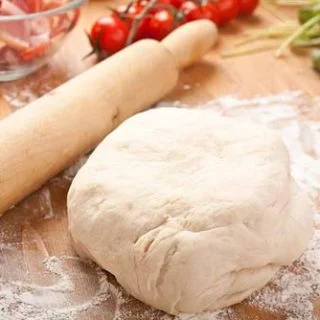
This slow-rising Tipo 00 dough makes two soft pizza bases with a simple mix of flour, water, salt and yeast. A long rest develops flavour and makes the dough easier to shape by hand.
Ingredients
- 500 g (4 cups)San Felice Tipo 00 flour
- 360 ml (1½ cups), approximatelywarm water
- 7.5 g (1½ teaspoons)salt
- 1.5 g (½ teaspoon)instant yeast
- 30 ml (2 tablespoons), if desiredolive oil
Instructions
- 1
Mix the dough
Mix the ingredients together until they form a soft dough.
- 2
Let it rise
Put the dough in a lightly oiled bowl, cover it and leave it to rise for at least 12 hours, or up to 24 hours.
- 3
Divide the dough
Punch the dough down to release the gas, then divide it into two equal balls.
- 4
Rest the balls
Cover the dough balls and leave them to rest for 60 minutes before shaping.
- 5
Press into discs
Take one ball of dough and press it into a disc.
- 6
Shape the bases
Lightly flour both sides. Gently press and stretch the dough with your fingertips, turning it often, until it forms a 10-inch circle. Add your chosen toppings.
What is Tipo 00 pizza dough?
Tipo 00 is a finely milled Italian flour commonly used for pizza and pasta. This recipe uses it for a simple, slowly fermented dough that can be stretched into thin bases.
The method relies on a long rise rather than a large amount of yeast. The optional olive oil adds richness, but the dough can be made without it.
Nutrition and macros by portion
The nutrition label shows one serving as written: 485 calories, 13g protein, 95g carbs, 9g fat.
| Portion | Adjustment | kcal | Protein | Carbs | Fat |
|---|---|---|---|---|---|
| Lighter | Leave out the olive oil | 340 kcal | 9g | 67g | 6g |
| This serving | As written | 485 kcal | 13g | 95g | 9g |
| Hungry | Make a larger pizza | 728 kcal | 20g | 143g | 14g |
Most of the dough’s carbohydrates and some of its protein come from the flour; the optional olive oil contributes most of the fat. Pair a slice or two with vegetables or a salad, and remember that toppings will change the finished meal’s nutrition.
Choosing the ingredients
Tipo 00 flour: use the specified flour if you can; different flours absorb water differently, so the dough may feel slightly different if you substitute.
Warm water: aim for comfortably warm rather than hot water. The amount is approximate, so add it gradually if you want more control over the dough’s softness.
Olive oil: it is optional, not essential to the dough. Leave it out for the recipe’s leaner version.
The long rise
Covered bowl: a light coating of oil helps prevent sticking as the dough rises. Cover the bowl so the surface does not dry out.
Time: the method specifies at least 12 hours and up to 24 hours for the first rise. Plan ahead, as this is longer than the stated 180-minute total time.
Dividing and resting
Punch down: press out the built-up gas before dividing the dough. Split it into two similarly sized balls for even shaping.
Rest: cover the balls for 60 minutes. This gives the dough time to relax, making it easier to press and stretch.
Shaping without tearing
Start by pressing each ball into a disc, then work outwards with your fingertips. Turn the dough often and stretch it gently rather than pulling hard in one spot.
The recipe aims for a 10-inch circle. If the dough springs back, pause briefly and try again rather than forcing it.
Topping and serving
Once shaped, add your choice of toppings. Keep them ready before you start stretching so the dough does not have to sit uncovered for long.
Serve the pizza with a green salad or vegetables for a more balanced plate. The method does not include baking instructions, so use the baking temperature and time from your chosen topping recipe.
Recipe notes & tips
- Measure the flour by weight for a more consistent dough.
- Add the approximate water gradually and stop when the dough is soft and comes together.
- Oil the bowl lightly so the dough is easier to remove after rising.
- Keep the dough covered during both rests to prevent a dry surface.
- Use a light dusting of flour when shaping to reduce sticking without making the dough too dry.
Variations
- Skip the oil: leave it out for the version described as not needing it.
- Use bread flour: substitute it if Tipo 00 is unavailable, allowing for a slightly different dough feel.
- Make smaller bases: divide the dough into more portions for smaller pizzas.
- Try a longer rise: leave the covered dough to rise for up to 24 hours as directed.
- Change the toppings: add your preferred sauce, cheese and vegetables after shaping.
Common mistakes to avoid
- Using hot water: very hot water can affect the yeast; use water that feels comfortably warm.
- Leaving the bowl uncovered: the dough can dry out; cover it throughout the rise.
- Adding too much flour: a dry dough is harder to stretch; flour the work surface lightly.
- Pulling too forcefully: the dough may tear; stretch gently and turn it as you work.
- Skipping the rest: rested dough is easier to shape; allow the full 60 minutes after dividing.
How to store
Refrigerate covered dough if you are not shaping it straight away, and use it within about 2 days for best quality. Bring it towards room temperature before shaping; this recipe does not include storage or reheating instructions for baked pizza.
Frequently asked questions
Why does the dough need to rise for so long?
The method calls for at least 12 hours and up to 24 hours, allowing the dough to ferment slowly. This timing is longer than the listed total time of 180 minutes, so plan around the rise.
Can I leave out the olive oil?
Yes. The ingredient list says it is optional and not needed.
How many pizza bases does the recipe make?
It divides the dough into two equal balls, so the method makes two bases.
How do I know when the dough is ready to shape?
After the first rise, divide it into two balls and leave them covered for 60 minutes. They should be soft enough to press and stretch gently.
Does this recipe say how to bake the pizza?
No. It ends after shaping and adding toppings, so follow the baking directions for your chosen pizza toppings or recipe.
Cook it from the original
This recipe comes from italianfoodforever.com. Their page has the author’s own photos, notes and tips — the best place to cook it from.
Open the recipe on italianfoodforever.com