
Marrow jam Recipe
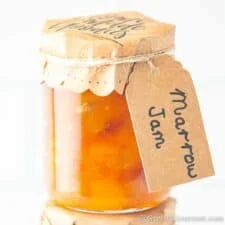
Marrow jam is a sweet British preserve that turns mild, mature marrow into a bright, gingery spread. Make a batch when marrow is in season and enjoy it on toast or give it as a homemade gift.
Ingredients
- 2lemons
- 125 ml (½ cup)water
- 2 kg (4½ lb)marrow flesh, chopped
- 1.5 kg (3⅓ lb)jam sugar
- 60 g (2 oz)fresh ginger, grated
Instructions
- 1
Prepare the lemons
Juice the lemons and slice their peel into thin strips.
- 2
Soak the peel
Put the lemon juice, strips of peel and water in a small bowl. Leave to soak for at least 8 hours, preferably overnight.
- 3
Cook the lemon
Tip the bowl’s contents into a small saucepan and cook gently, covered, for 1 hour. Take off the heat and set aside.
- 4
Start the marrow
Put the chopped marrow in a large saucepan.
- 5
Cook off liquid
Cook for 30 minutes, or until the marrow is mostly cooked and the excess liquid has evaporated. Strain it if needed.
- 6
Dissolve the sugar
Add the sugar and stir over a low heat until it has completely dissolved.
- 7
Add lemon and ginger
Stir in 60 ml (4 tbsp) of the lemon water and the grated ginger.
- 8
Boil to setting point
Increase the heat and bring the mixture to the boil. Boil for 10 minutes or until it reaches setting point: a jam thermometer should read 104°C (220°F). To use the wrinkle test, chill a saucer in the freezer for 5 minutes, put a little jam on it and place it in the fridge. After 1 minute, push the jam gently with a finger; if the surface wrinkles, it is ready. If it does not, boil for a few more minutes and test again.
- 9
Fill the jars
Have warm, sterilised jars ready. Fill them with the jam and seal them promptly.
- 10
Cool and label
Once the jars have cooled, label them with the jam’s name and the date. The jam is ready to enjoy.
What is marrow jam?
Marrow is a large, mature member of the squash family, familiar in British gardens and kitchens. Like other fruit preserves, marrow jam cooks the produce with sugar until it thickens and sets.
Marrow has a mild flavour, so lemon and ginger give this version its lift. The lemon peel adds a citrus note, while jam sugar helps the mixture reach a set.
Nutrition and macros by portion
The nutrition label shows one serving as written: 36 calories, 0g protein, 9g carbs, 0g fat.
| Portion | Adjustment | kcal | Protein | Carbs | Fat |
|---|---|---|---|---|---|
| Lighter | Use a smaller spoonful | 25 kcal | 0g | 6g | 0g |
| This serving | As written | 36 kcal | 0g | 9g | 0g |
| Hungry | Serve with extra toast | 54 kcal | 0g | 14g | 0g |
Most of the carbohydrate in this preserve comes from the jam sugar, with the marrow contributing a smaller amount. The recipe contains very little fat or protein; serve a modest spoonful with toast and pair it with a protein-rich food, such as yoghurt, for a more balanced breakfast.
Choose and prepare the marrow
Marrow flesh: Chop it into pieces as directed so it softens evenly in the pan. Remove any excess liquid after cooking if the mixture still looks watery.
Freshness: Use sound marrow with no soft or spoiled areas. Its mild taste makes it a useful base for the more pronounced lemon and ginger.
Why soak the lemon?
Lemon peel: Cutting the peel into thin strips and soaking it with the juice and water for at least 8 hours gives it time to soften and infuse the liquid.
Cooked lemon water: The separate covered simmer lasts 1 hour. Measure 60 ml of this liquid into the jam; the recipe does not call for adding all of it.
Dissolve the sugar gently
Low heat: Stir the jam sugar into the cooked marrow until every grain has dissolved before increasing the heat. This gives the mixture a smooth start to the boiling stage.
Ginger: Add the grated ginger with the measured lemon water. Stir it through so its flavour is distributed throughout the batch.
How to judge the set
Thermometer: Boil the mixture for 10 minutes or until it reaches 104°C. Keep an eye on the pan as it boils and use the temperature as the recipe’s setting cue.
Wrinkle test: If you do not have a jam thermometer, test a small dab on a saucer chilled in the freezer for 5 minutes. After 1 minute in the fridge, a wrinkle when gently pushed indicates the jam is ready; if it stays liquid, boil for a few more minutes and test again.
Filling and serving
Warm jars: Have sterilised jars ready before the jam reaches its set. Fill and seal them promptly, then leave them to cool before labelling.
Serving ideas: Spread the jam on toast or serve it alongside scones and plain biscuits. Its sweet, citrus-and-ginger flavour also makes a small jar easy to give as a gift.
Recipe notes & tips
- Chop the marrow into similarly sized pieces so they cook at a similar rate.
- Keep the lemon peel thinly sliced so it softens during soaking and cooking.
- Stir over low heat until the sugar has dissolved before bringing the mixture to the boil.
- Use a thermometer or the chilled-saucer test to check the setting point rather than relying on appearance alone.
- Prepare warm, sterilised jars before the jam finishes boiling so you can fill them promptly.
- Measure only 60 ml of the prepared lemon water into the jam, as directed.
Variations
- More ginger: Add extra grated ginger if you want a stronger warming flavour.
- Citrus twist: Replace some of the lemon peel with finely sliced orange peel.
- Vanilla note: Stir a little vanilla into the cooked jam for a softer aroma.
- Spiced version: Add a small cinnamon stick while the marrow cooks, then remove it before filling the jars.
- Chunkier texture: Cut the marrow into larger pieces for a preserve with more noticeable pieces.
Common mistakes to avoid
- Skipping the soak: The lemon peel may stay firm; leave it in the lemon juice and water for at least 8 hours.
- Adding sugar too soon: It may not dissolve evenly; cook the marrow first, then stir in the sugar over low heat.
- Leaving excess liquid: The jam may take longer to set; cook the marrow until the liquid evaporates or strain if necessary.
- Guessing the setting point: The jam may remain runny; use the 104°C thermometer cue or repeat the wrinkle test.
- Filling unprepared jars: The jam may not keep as intended; use warm, sterilised jars and seal them promptly.
How to store
Let sealed jars cool before labelling and store them in a cool, dark place. Refrigerate after opening and use a clean spoon each time; follow any safe preserving guidance that applies to your jars and method.
Frequently asked questions
Can I use marrow instead of courgettes?
Yes. This recipe is specifically for marrow flesh, which is mature and larger than a typical courgette. Chop it before cooking as directed.
Do I need to soak the lemons overnight?
The recipe calls for at least 8 hours of soaking and preferably overnight. This gives the sliced peel time to soften in the lemon juice and water.
Do I add all the lemon water?
No. Add 60 ml (4 tbsp) to the marrow and sugar. The recipe does not specify using the rest.
How do I know when the jam is ready?
A jam thermometer should read 104°C. Alternatively, use the chilled-saucer wrinkle test described in the method.
Can I make this without a jam thermometer?
Yes. Chill a saucer in the freezer for 5 minutes, test a little jam on it, then refrigerate it for 1 minute. If the surface wrinkles when gently pushed, the jam is ready.
What can I serve marrow jam with?
Try it on toast, with scones or alongside plain biscuits. Its sweet, gently spiced flavour works well with simple accompaniments.
Cook it from the original
This recipe comes from greedygourmet.com. Their page has the author’s own photos, notes and tips — the best place to cook it from.
Open the recipe on greedygourmet.com