
How To Cook Brown Rice In A Rice Cooker (Perfect & Fluffly Results!)
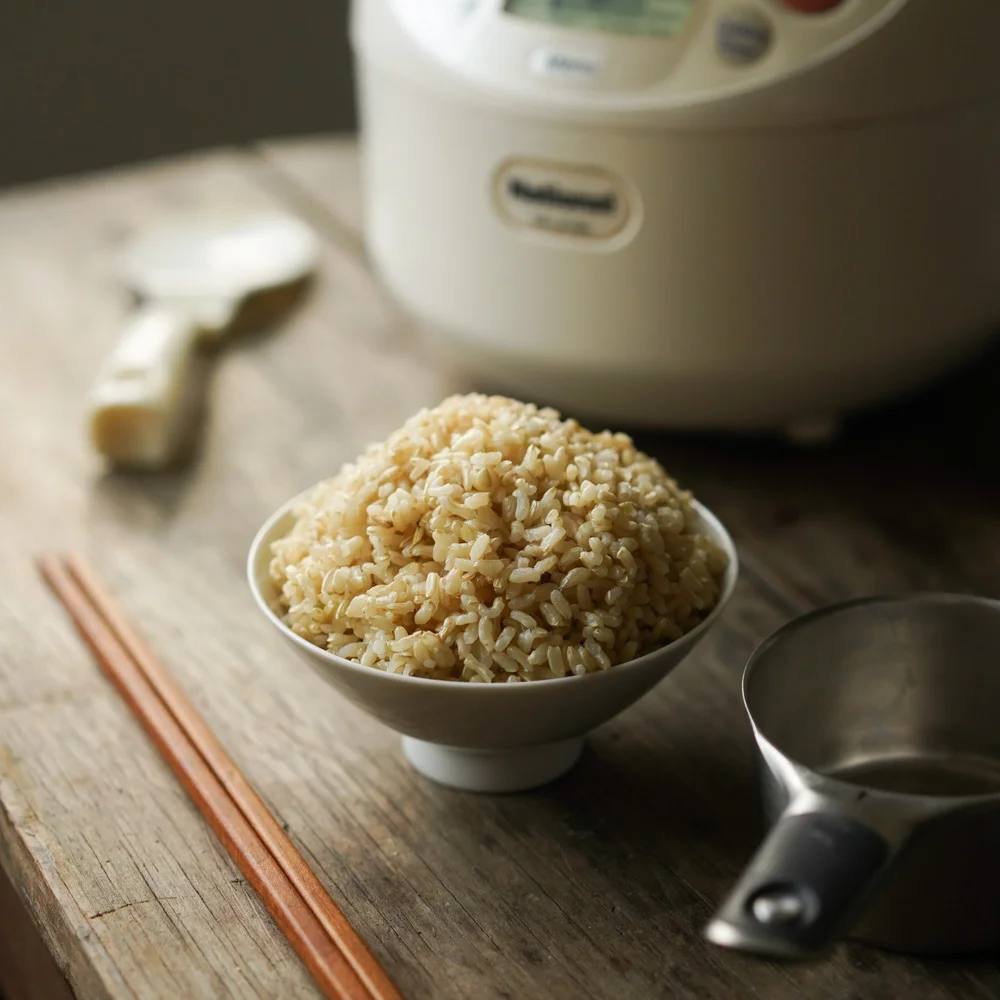
This hands-off rice cooker method makes plump, evenly cooked brown rice with a gently chewy texture. It includes both short-grain and long-grain options, making it an easy staple for a busy weekday meal.
Ingredients
- 191 gshort-grain brown rice
- to rinsetap water
- 296 ml (10 fl oz)filtered water
- 178 glong-grain brown rice
- to rinsetap water
- 296 ml (10 fl oz)filtered water
Instructions
- 1
Rinse in a strainer
For method A, put the brown rice in a metal strainer and rinse it under tap water for 10–15 seconds to wash away excess starch and sediment. Drain it, then tip the rice into the cooker pot.
- 2
Rinse in the pot
For method B, put the brown rice in the rice cooker pot and add tap water until the rice is covered by 1/2 to 1 inch. Gently move the grains around with your hands, then pour off the water without losing rice. Repeat twice and drain thoroughly.
- 3
Add the water
Pour the filtered water into the cooker. Swirl the pot if needed to level the rice and dislodge any grains stuck to its sides.
- 4
Start the cooker
Turn on the rice cooker and follow its manual. If it has quick and normal settings, either can be used; the quick setting is often chosen for similar results in less time. Keep the lid closed while the rice cooks so steam stays inside.
- 5
Rest the rice
When the cooking cycle ends, leave the cooker closed for 5 minutes, then open it. The rice surface will be flat.
- 6
Fluff the grains
Use a rice paddle to fluff the rice.
- 7
Serve the rice
Spoon the rice into bowls and serve.
What is rice cooker brown rice?
Brown rice is a whole-grain rice with its bran layer still intact, giving it a chewier bite than white rice. Rice cookers make it convenient to prepare because the machine controls the cooking cycle while you get on with other tasks.
This recipe offers both short-grain and long-grain rice. Rinsing the grains and letting them rest after cooking help produce a clean, fluffy result.
Nutrition and macros by portion
The nutrition label shows one serving as written: 680 calories, 15g protein, 143g carbs, 6g fat.
| Portion | Adjustment | kcal | Protein | Carbs | Fat |
|---|---|---|---|---|---|
| Lighter | Smaller rice portion | 476 kcal | 11g | 100g | 4g |
| This serving | As written | 680 kcal | 15g | 143g | 6g |
| Hungry | Larger rice portion | 1020 kcal | 23g | 215g | 8g |
The rice supplies most of the carbohydrates and some of the protein and fibre; the small amount of fat comes naturally from the whole-grain rice. Balance a bowl with vegetables and a protein-rich accompaniment such as tofu, eggs or fish.
Choosing the rice
Short grain: at 191 g, this option tends to cook up plumper and stickier, with grains that hold together more.
Long grain: at 178 g, this option generally stays more separate after fluffing. The recipe gives each rice option its own 296 ml of filtered water.
Rinsing the grains
Strainer method: rinse under running tap water for 10–15 seconds, then drain before adding the rice to the pot.
Pot method: cover the rice with tap water, gently move the grains around and pour the water away carefully. Repeating this twice helps clear loose starch; drain well before adding the measured cooking water.
The water and cooker
Level rice: spread the grains evenly across the bottom of the pot and clear any from the sides so they cook in the water rather than sticking above it.
Closed lid: use the cooker according to its manual and keep the lid shut throughout the cycle. Opening it releases steam and can interrupt the cooking.
Resting and checking texture
Five-minute rest: leave the lid closed after the cycle finishes. This gives the remaining steam time to settle through the rice.
Fluff gently: lift and separate the grains with a rice paddle rather than pressing them down. The finished rice should be tender, plump and slightly chewy.
Serving ideas
Serve the rice warm alongside stir-fried vegetables, tofu, fish or meat, or use it as the base for a rice bowl. Its mild, nutty flavour works with both savoury sauces and simple toppings.
For a more balanced plate, pair a portion with vegetables and a protein-rich dish. Add sauces at the table so each person can season their bowl as they like.
Recipe notes & tips
- Measure the filtered water for the rice option you are cooking rather than combining both listed quantities.
- Drain the rice thoroughly after rinsing so extra tap water does not change the cooking ratio.
- Check your cooker manual for the recommended setting for brown rice.
- Keep the lid closed during the cooking cycle to retain steam.
- Use a rice paddle to lift and separate the grains without crushing them.
Variations
- Add aromatics: cook the rice with a slice of ginger for a gently fragrant result.
- Use stock: replace the filtered water with unsalted stock for a savoury flavour.
- Finish with sesame: sprinkle toasted sesame seeds over the rice just before serving.
- Make rice bowls: top the cooked rice with vegetables and your choice of protein.
- Add spring onions: scatter sliced spring onions over the fluffed rice for a fresh finish.
Common mistakes to avoid
- Pouring off rice: tip the pot carefully or use a strainer so grains are not lost during rinsing.
- Leaving rinse water behind: drain the rice well before measuring in the filtered water.
- Opening the lid early: keep it shut while the cooker runs so steam is not released.
- Skipping the rest: leave the cooked rice covered for 5 minutes before opening the cooker.
- Mashing the grains: fluff with a rice paddle using a gentle lifting motion.
How to store
Cool leftover rice promptly, transfer it to an airtight container and refrigerate for up to 3 days. Reheat until steaming hot, adding a small splash of water and covering the rice to help it soften.
Frequently asked questions
Can I use either short-grain or long-grain brown rice?
Yes. The recipe lists both as options, with a separate rice and water quantity for each. Choose one type for a batch rather than combining the listed amounts.
Do I need to rinse brown rice?
Rinsing removes loose starch and sediment from the grains. Use either the strainer method or the pot method described in the recipe.
Should I use the quick or normal setting?
Follow your cooker manual's guidance for brown rice. The recipe notes that its author often uses the quick setting, but cooker settings vary.
Why should I leave the lid closed after cooking?
The 5-minute covered rest lets the steam settle through the rice before you fluff it, helping give the grains a more even texture.
Can I double the recipe?
Check that your cooker has enough capacity, then scale the rice and water together. Follow the cooker manual if it gives specific guidance for larger batches.
Cook it from the original
This recipe comes from hungryhuy.com. Their page has the author’s own photos, notes and tips — the best place to cook it from.
Open the recipe on hungryhuy.com