
Soupy rice with lobster
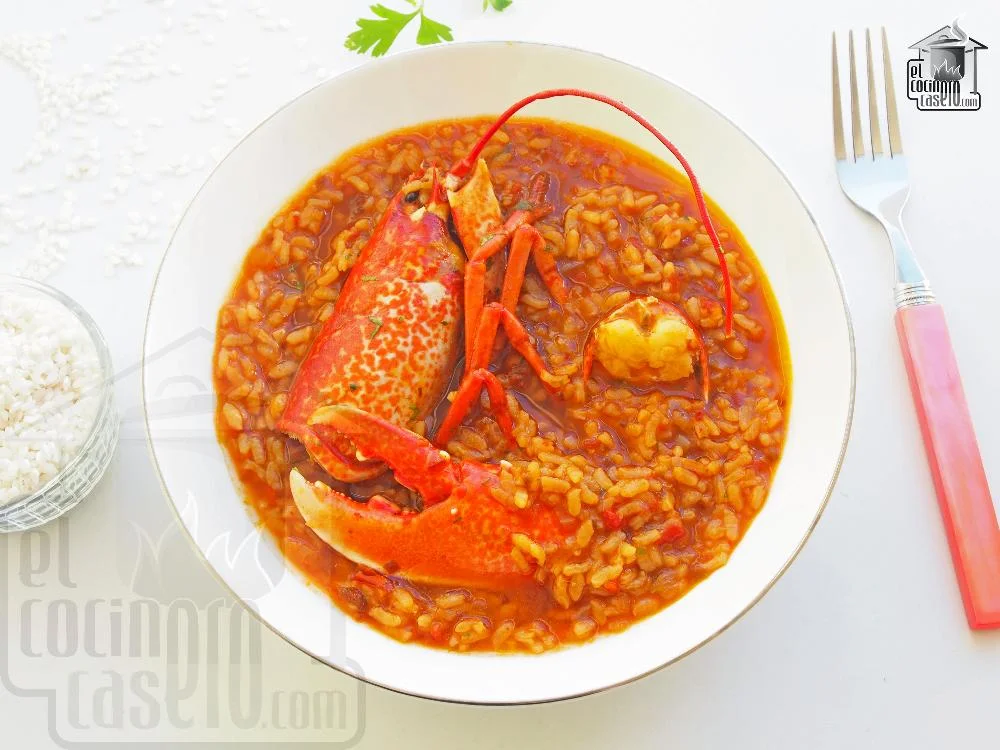
This Galician-style soupy rice pairs lobster with a deeply browned vegetable and tomato base, saffron and hot fish stock. It is best served straight from the pan, while the rice is tender and the broth is still plentiful.
Ingredients
- to tasteRice
- to tasteLobster
- to tasteOnion
- to tasteRed pepper
- to tasteDried ñora pepper
- to tasteTomato sauce
- to tasteGarlic
- to tasteGround cayenne pepper
- to tasteSaffron
- to tasteBrandy
- to tasteExtra-virgin olive oil
- to tasteParsley
- to tasteSalt
Instructions
- 1
Prepare the stock
Make the fish stock first, following the linked stock recipe referenced by the original publisher.
- 2
Soak and chop
Soak the ñora peppers in hot water for about 1 hour, keeping the soaking water for the rice. Dice the red pepper into pieces about the size of a grain of rice, and finely chop the onion and garlic.
- 3
Prepare the lobster
Cut off the lobster heads and halve them, remove the claws and cut the tails into pieces. Scrape the flesh from the soaked ñoras with a knife or spoon and set it aside.
- 4
Brown the lobster
Set a casserole over medium-high heat with a generous pour of olive oil. Once hot, add the lobster heads, claws and tail pieces.
- 5
Toast the heads
As the lobster turns orange, remove the tail pieces and claws. Let the heads brown well, turning them to colour the other side, then take them out.
- 6
Cook the vegetables
Lower the heat slightly and add the garlic. Once it begins to brown, add the onion and cook until it starts to turn translucent. Stir in the red pepper, adjust the salt and cook until softened.
- 7
Reduce the sofrito
Stir in the ñora flesh, then add the tomato sauce. Cook carefully, stirring so it does not catch on the bottom, until reduced to a jam-like consistency.
- 8
Flambé the brandy
Turn off the extractor fan, pour in the brandy and carefully ignite it with a lighter. Let the flames go out as the alcohol evaporates.
- 9
Toast rice and saffron
Add the rice and stir it through the sofrito for a couple of minutes. Meanwhile, microwave the saffron strands for about 15 seconds until brittle, crush them in a mortar, then mix with a little fish stock.
- 10
Add liquid
Pour in the saffron mixture, the ñora soaking water and hot fish stock, using 500 ml per person.
- 11
Cook and finish
Stir well and simmer over medium heat for about 10–13 minutes. Add the lobster and cook for a further couple of minutes, then turn off the heat, adjust the salt if needed and scatter over chopped fresh parsley.
- 12
Serve immediately
Serve the rice as soon as it is ready; it is intended to be eaten freshly cooked.
What is soupy lobster rice?
Arroz caldoso is a Spanish rice dish cooked with enough stock to leave it brothy rather than dry. This version comes from Galician cooking, where seafood is a natural match for rice and a well-flavoured fish stock.
Lobster: Browning the heads before they go back into the pan helps build the savoury base and gives the broth colour. The rice is finished with the lobster so its pieces do not spend the whole cooking time in the pot.
Nutrition and macros by portion
The nutrition label shows one serving as written: 380 calories, 0g protein, 0g carbs, 0g fat.
| Portion | Adjustment | kcal | Protein | Carbs | Fat |
|---|---|---|---|---|---|
| Lighter | Less rice, more vegetables | 266 kcal | 0g | 0g | 0g |
| This serving | As written | 380 kcal | 0g | 0g | 0g |
| Hungry | Larger portion | 570 kcal | 0g | 0g | 0g |
Rice provides most of the carbohydrates, while the olive oil contributes much of the fat and lobster supplies protein. For a more balanced plate, serve a modest helping of rice with a green salad or vegetables alongside.
Build a concentrated sofrito
Small dice: Cut the red pepper into very small pieces and finely chop the onion and garlic so they soften evenly and become part of the base.
Slow reduction: Cook the vegetables and tomato until the mixture is thick and jam-like. This concentrated sofrito gives the stock and rice a fuller flavour.
Make the most of the ñora
Soaking water: Leave the dried pepper in hot water for about an hour, and keep that water to add to the rice. Its flavour becomes part of the cooking liquid.
Pepper flesh: Scrape the softened flesh from the skin and stir it into the sofrito. This distributes the ñora through the dish rather than leaving large pieces in the broth.
Watch the lobster and the flame
Brown first: Remove the tail and claws once they turn orange, but give the heads time to toast on both sides. This step develops the base without leaving the tender pieces to cook for too long.
Flambé carefully: Turn off the extractor fan before igniting the brandy, and keep your face and hands clear of the flame. Let the flames die down before adding the rice.
Keep the rice brothy
Hot stock: Add the fish stock hot, at 500 ml per person, along with the ñora water and saffron mixture. Stir to combine before leaving the rice to cook.
Doneness: Start checking at the shorter end of the 10–13 minute cooking time. The method adds the lobster for only a couple of minutes more, then serves the dish immediately while the broth remains loose.
Serve straight from the pan
Timing: Soupy rice continues to absorb liquid as it stands, so bring it to the table as soon as the lobster is cooked and the parsley is added.
Pairings: A simple green salad or lightly cooked vegetables can accompany the rich, seafood-flavoured rice without competing with it.
Recipe notes & tips
- Keep the ñora soaking water to add to the rice with the stock.
- Cut the red pepper small so it softens evenly in the sofrito.
- Let the lobster heads brown well on both sides before removing them.
- Reduce the tomato and vegetables until thick so the base does not taste watery.
- Use hot fish stock when adding the cooking liquid.
- Serve as soon as the rice is ready, before it absorbs too much broth.
Variations
- Adjust the heat: Add a little more or less ground cayenne to suit your preference.
- Use extra stock: Add a little more hot fish stock if you prefer a looser, soupier finish.
- Add shellfish: Include other shellfish alongside the lobster, adding each according to how long it needs to cook.
- Make it milder: Omit the cayenne for a less spicy broth.
- Finish with herbs: Add a little extra chopped parsley just before serving.
Common mistakes to avoid
- Skipping the stock: The method relies on fish stock for the rice’s liquid and flavour; prepare it before starting.
- Discarding the soaking water: Keep it and add it with the stock as directed.
- Under-browning the heads: Give them time to toast on both sides to build flavour in the base.
- Letting the sofrito catch: Stir the tomato mixture as it reduces so it does not stick to the pan.
- Flambéing with the fan on: Switch off the extractor before lighting the brandy.
- Letting the rice stand: Serve immediately, since it will continue to absorb the broth.
How to store
This dish is best eaten freshly cooked because the rice absorbs the broth as it stands. If you have leftovers, refrigerate them promptly in a covered container and use within 1 day; reheat gently with a splash of water or stock until piping hot.
Frequently asked questions
How much fish stock do I need?
The method specifies 500 ml per person, which is 2 litres for four people. It also calls for the ñora soaking water and a little stock to dissolve the saffron.
How long should I soak the ñoras?
Soak them in hot water for about 1 hour. Keep the soaking water for the rice and scrape out the softened flesh.
Can I prepare the sofrito ahead?
You can prepare the chopped vegetables and ñora flesh ahead of time. For the best texture, cook the rice and add the lobster shortly before serving.
When should I add the lobster back?
Add it after the rice has cooked for about 10–13 minutes, then continue cooking for a couple of minutes more.
Why should I serve this rice immediately?
The rice keeps absorbing liquid after the pan comes off the heat, so the broth becomes less soupy if it sits.
Can I leave out the cayenne?
Yes. Omitting it will make the dish milder without changing the rest of the method.
Cook it from the original
This recipe comes from elcocinerocasero.com. Their page has the author’s own photos, notes and tips — the best place to cook it from.
Open the recipe on elcocinerocasero.com