
Cream Cheese Pancakes
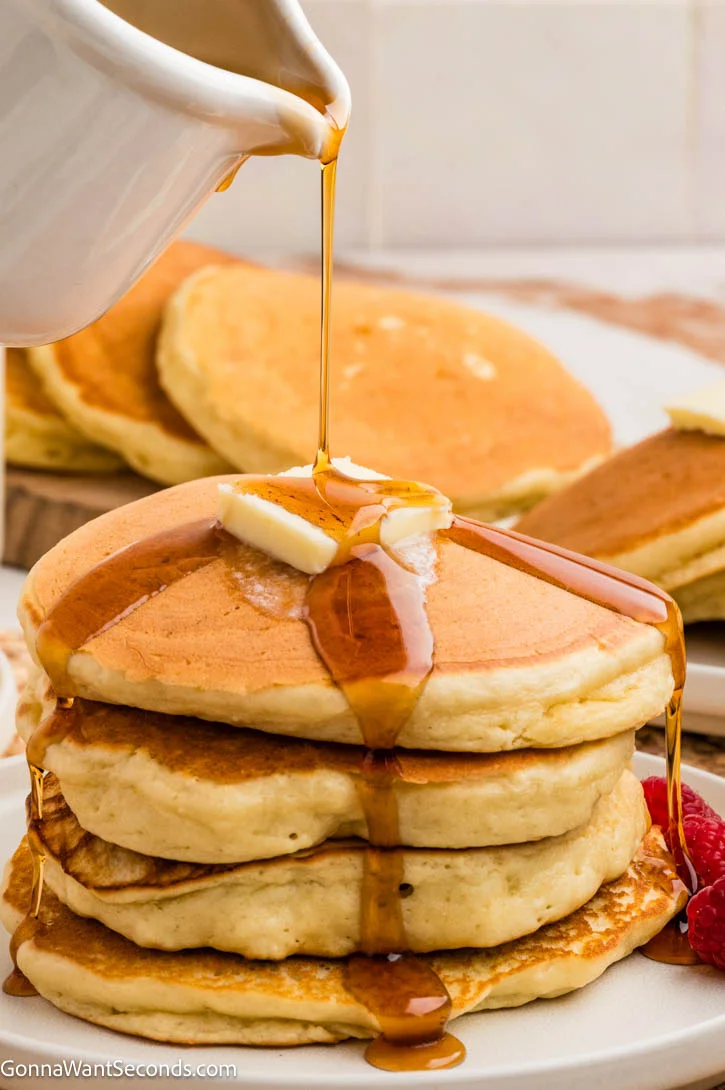
These American-style cream cheese pancakes are thick, tender and rich, with a soft texture that makes them a cosy choice for a weekend breakfast. The batter comes together in one wet mixture and one dry mixture, then cooks on a griddle or frying pan.
Ingredients
- 417 g (3⅓ cups)plain flour
- 12 g (1 tablespoon)baking powder
- 5 g (1 teaspoon)bicarbonate of soda
- 2.5 g (½ teaspoon)salt
- 170 g (6 ounces), very softcream cheese
- 100 g (½ cup)granulated sugar
- 3 largeeggs
- 57 g (4 tablespoons), melted and cooledbutter
- 15 ml (1 tablespoon)vanilla extract
- 360 ml (1½ cups)milk
Instructions
- 1
Mix dry ingredients
Whisk the flour, baking powder, bicarbonate of soda and salt together in a medium bowl.
- 2
Mix wet ingredients
In a large bowl, use a hand mixer to beat the cream cheese and sugar until smooth and combined. Mix in the eggs, melted and cooled butter, and vanilla extract. Add the milk and mix again until combined.
- 3
Combine the batter
Use a wooden spoon or rubber spatula to fold the dry ingredients into the wet mixture until only a few dry streaks remain. Avoid overmixing.
- 4
Heat the pan
Warm a griddle or frying pan over medium heat. Coat the cooking surface with cooking spray or a little butter.
- 5
Cook the pancakes
Pour the batter onto the griddle using a ⅓-cup measure. It is thick, so use the back of the measure to spread it a little if needed. Cook each pancake for 2–3 minutes on the first side; when bubbles rise and pop, flip it and cook for a further 2 minutes, or until golden brown. Transfer to a plate and repeat with the remaining batter.
- 6
Serve warm
Enjoy the pancakes while warm.
What are cream cheese pancakes?
They are griddle pancakes made with cream cheese in the batter, giving a richer, softer result than a basic flour-and-milk version. This recipe follows the American style of thick, individual pancakes cooked on a griddle or frying pan.
Softened cream cheese blends with the sugar, eggs, butter and milk to make the wet mixture. Folding in the dry ingredients gently helps keep the cooked pancakes tender.
Nutrition and macros by portion
The nutrition label shows one serving as written: 240 calories, 6g protein, 32g carbs, 9g fat.
| Portion | Adjustment | kcal | Protein | Carbs | Fat |
|---|---|---|---|---|---|
| Lighter | Use less butter | 168 kcal | 4g | 22g | 6g |
| This serving | As written | 240 kcal | 6g | 32g | 9g |
| Hungry | Add another pancake | 360 kcal | 9g | 48g | 14g |
The flour and sugar provide most of the carbohydrates, while cream cheese and butter contribute much of the fat. Eggs, milk and cream cheese contribute protein. Pair a serving with fruit or yoghurt for a fresh contrast and a more balanced plate.
The role of each ingredient
Leaveners: baking powder and bicarbonate of soda help the thick batter rise as it cooks. Measure them carefully so their flavour does not overwhelm the pancakes.
Cream cheese: bringing it to a very soft state makes it easier to beat smoothly with the sugar. Lumps at this stage can carry through into the batter.
Butter and vanilla: melted, cooled butter adds richness, while vanilla gives the batter its familiar sweet aroma.
Mix for a tender texture
Wet mixture: beat the cream cheese and sugar first, then add the eggs, butter and vanilla before mixing in the milk. This order helps incorporate the cream cheese before the thinner ingredients go in.
Dry mixture: fold it into the wet ingredients only until a few flour streaks remain. A few small lumps are preferable to overworking the batter.
Cook by the visual cues
Heat: medium heat gives the centres time to cook while the outsides turn golden. If the pancakes darken before the centres are cooked, lower the heat.
Flip: wait until bubbles appear across the surface and begin to pop, then turn the pancake. Cook the second side for about 2 minutes, checking for a golden finish.
Work in batches
Portion: use a ⅓-cup measure for each pancake so they cook at a similar rate. The batter is thick, so the back of the measure can help spread it into a round.
Keep the heat steady between batches and grease the surface as needed. Avoid turning the pancakes repeatedly; one flip is enough.
Serving ideas
Serve the pancakes warm, on their own or with fruit and a spoonful of yoghurt. Berries or sliced banana add freshness alongside the rich, sweet batter.
For a more classic breakfast plate, pair them with eggs or another savoury side. Add any extra toppings at the table so each person can choose how sweet to make their serving.
Recipe notes & tips
- Let the cream cheese soften well so it beats smoothly with the sugar.
- Cool the melted butter before adding it to the eggs and cream cheese.
- Mix the batter only until a few dry streaks remain.
- Use medium heat and adjust it if the pancakes brown too quickly.
- Wait for bubbles to rise and pop before flipping.
- Grease the griddle lightly between batches if the pancakes begin to stick.
Variations
- Add berries: fold a small handful of fresh blueberries into the finished batter gently.
- Citrus note: add finely grated lemon zest to the wet mixture for a bright aroma.
- Warm spice: stir a little ground cinnamon into the dry ingredients.
- Chocolate chips: scatter a few over each pancake just after pouring the batter onto the griddle.
- Savoury side: serve with eggs or crisp bacon for a sweet-and-savoury breakfast.
Common mistakes to avoid
- Cold cream cheese: it can leave lumps in the batter, so soften it before mixing.
- Overmixing: too much stirring can make the pancakes less tender; stop while a few dry streaks remain.
- Pan too hot: the outsides may brown before the centres cook; reduce the heat to medium or slightly lower.
- Flipping too early: wait until surface bubbles rise and pop so the first side has set.
- Uneven portions: use the same ⅓-cup measure for each pancake to help them cook evenly.
How to store
Refrigerate cooled pancakes in an airtight container for up to 3 days. Reheat in a frying pan over low heat or in the microwave until warmed through.
Frequently asked questions
Can I make the batter ahead?
The recipe is designed to be mixed and cooked straight away. For the best rise and texture, cook it soon after combining the wet and dry ingredients.
How do I know when to flip a pancake?
Look for bubbles across the surface, with some beginning to pop, and edges that look set. Then flip and cook the second side for about 2 minutes.
Why is the batter so thick?
This batter is meant to be thick, which helps make substantial pancakes. Use the back of the measuring cup to spread each portion slightly if needed.
Can I freeze the cooked pancakes?
Yes. Cool them completely, separate them with baking paper and freeze in a sealed container. Reheat from frozen in a toaster, frying pan or microwave until hot.
What can I serve with them?
Fresh berries, sliced banana or yoghurt work well with their rich texture. Eggs or another savoury breakfast side make the meal more substantial.
Cook it from the original
This recipe comes from gonnawantseconds.com. Their page has the author’s own photos, notes and tips — the best place to cook it from.
Open the recipe on gonnawantseconds.com