
Crispy Resistant Starch Potatoes (i.e. naturally low carb!)
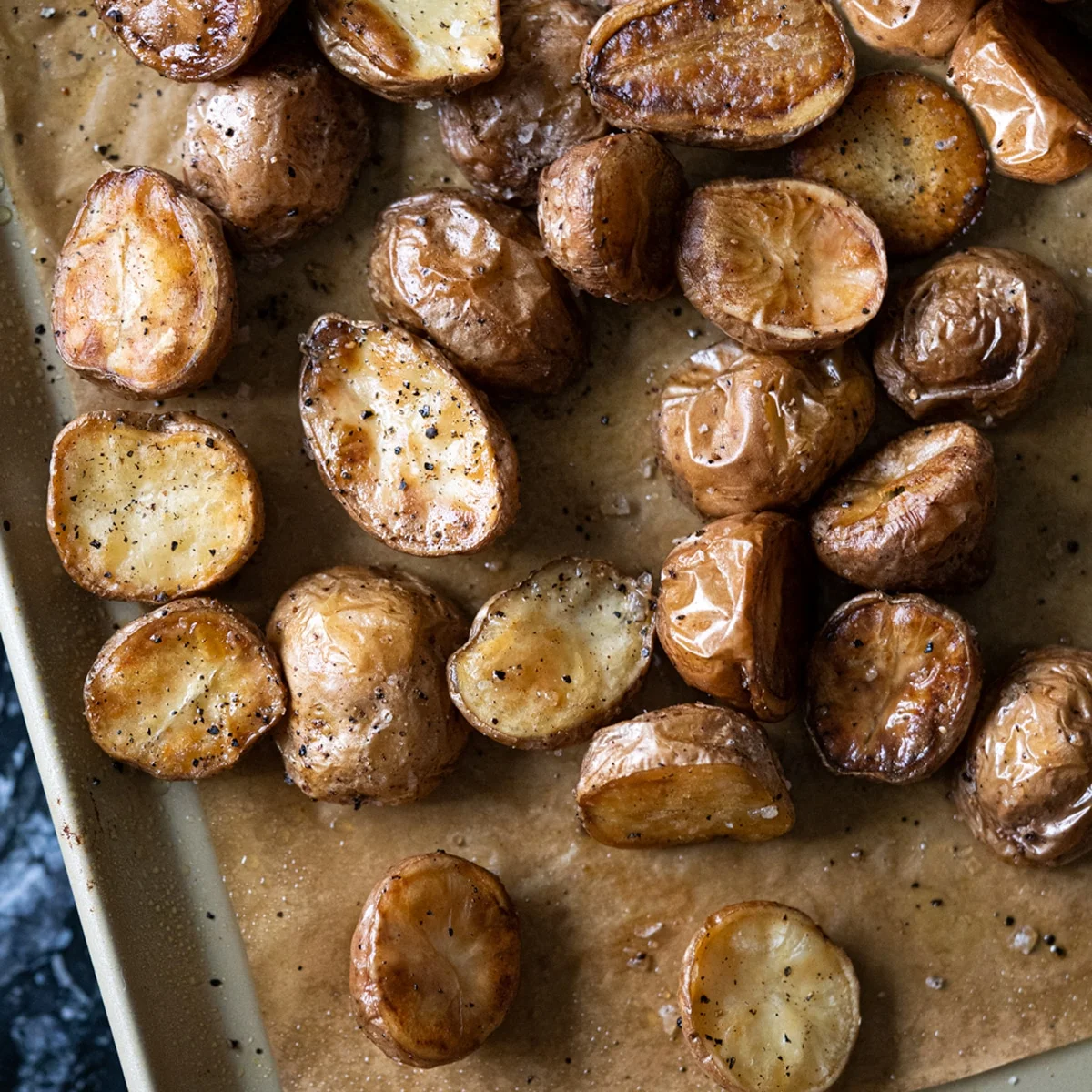
Small potatoes are roasted until crisp, cooled overnight and roasted again for a crunchy finish. This make-ahead method is designed to encourage resistant starch to form as the potatoes cool.
Ingredients
- 907 g (2 lb)small potatoes, halved or quartered
- as neededextra-virgin olive oil
- to tasteflaky sea salt
- to tastefreshly ground black pepper
Instructions
- 1
Preheat the oven
Heat the oven to 200°C (400°F). Brush a baking dish or rimmed baking tray with olive oil.
- 2
Roast the potatoes
Put the potatoes in the prepared dish, drizzle generously with olive oil, then season with flaky salt and freshly ground black pepper to taste. Roast for 45–60 minutes, tossing the potatoes about halfway through, until golden and crisp.
- 3
Cool and chill
Set the potatoes aside and let them cool completely, then refrigerate overnight.
- 4
Roast them again
Reheat the potatoes at 200°C (400°F) for 10–15 minutes, until crisp again. For an optional variation, roast them with fresh thyme and finish with Parmesan during this second roast; alternatively, add them to a roast for its final 20 minutes so they absorb some of the cooking juices.
- 5
Store leftovers
Keep the potatoes in an airtight container in the fridge for up to five days.
What are resistant starch potatoes?
These are potatoes that are cooked, cooled and then reheated. Cooling cooked potatoes can encourage some of their starch to become resistant starch, but the recipe does not specify how much changes or how that affects the nutritional values.
The approach suits a home-style American roast potato: a hot first roast gives the pieces colour, while chilling overnight makes it easy to finish them just before serving.
Nutrition and macros by portion
The nutrition label shows one serving as written: 159 calories, 4g protein, 36g carbs, 1g fat.
| Portion | Adjustment | kcal | Protein | Carbs | Fat |
|---|---|---|---|---|---|
| Lighter | Use less olive oil | 111 kcal | 3g | 25g | 1g |
| This serving | As written | 159 kcal | 4g | 36g | 1g |
| Hungry | Serve a larger portion | 239 kcal | 6g | 54g | 2g |
Potatoes provide most of the carbohydrates, while olive oil contributes most of the fat; the potatoes also provide a small amount of protein. Serve a portion with vegetables and a protein-rich main to make a more balanced plate.
Choosing and cutting the potatoes
Small potatoes: halving or quartering them creates cut surfaces that can brown in the oven. Keep the pieces a similar size so they finish cooking at roughly the same time.
Olive oil: the recipe calls for a generous drizzle to help the potatoes crisp. Coat the pieces evenly, without leaving them sitting in a pool of oil.
Getting a crisp first roast
Room to brown: spread the potatoes across the dish or tray rather than piling them up. Crowded pieces are more likely to soften in their own steam.
Midway toss: turning the potatoes about halfway through helps expose more sides to the hot tray. Look for golden colour and crisp edges before taking them out.
Cooling and chilling safely
Cool completely: let the roasted potatoes stop steaming before refrigerating them. Transfer them to the fridge once cool rather than leaving them out for an extended period.
Overnight rest: chill the potatoes in a covered container or otherwise protect them from the air in the fridge. This also makes the first part of the cooking convenient to do ahead.
The second roast
Hot oven: reheat at 200°C (400°F) for 10–15 minutes, as directed. Check that the potatoes are hot and crisp again before serving.
Optional finish: fresh thyme and Parmesan can be added for the second roast. If serving them with a roast, the recipe also suggests adding them for its final 20 minutes to take on some of the juices.
What to serve with them
These potatoes work alongside a roast dinner, especially when added to the cooking juices near the end as suggested. They can also be served as a side with a main dish and vegetables.
For a balanced plate, pair a portion with a protein-rich main and a generous serving of vegetables; the potatoes provide most of the meal's carbohydrate.
Recipe notes & tips
- Cut the potatoes into similarly sized pieces so they roast evenly.
- Use a wide tray and leave space between the pieces to encourage browning.
- Turn the potatoes about halfway through the first roast.
- Let the potatoes cool completely before putting them in the fridge overnight.
- Check the potatoes during the second roast and serve once crisp and hot.
Variations
- Fresh thyme: roast the potatoes with thyme during the second bake.
- Parmesan finish: add Parmesan during the second roast for a savoury topping.
- Roast-dinner side: add the potatoes to a roast for its final 20 minutes to pick up some cooking juices.
- Peppery finish: add extra freshly ground black pepper just before serving.
Common mistakes to avoid
- Uneven pieces: cut the potatoes to a similar size so they finish roasting together.
- Crowded tray: spread the potatoes out or use another tray so they can brown rather than steam.
- Skipping the toss: turn the potatoes about halfway through the first roast for more even colour.
- Chilling while warm: cool the potatoes completely before refrigerating them overnight.
- Underheating the second roast: give them 10–15 minutes at 200°C (400°F), checking that they are hot and crisp again.
How to store
Refrigerate the cooled potatoes in an airtight container for up to five days. Reheat at 200°C (400°F) for 10–15 minutes, until crisp again.
Frequently asked questions
Do I have to chill the potatoes overnight?
The overnight chill is part of this recipe's cook-cool-reheat method. It also lets you prepare the first roast ahead.
Can I use larger potatoes?
Yes; cut them into small, evenly sized pieces so they roast at a similar rate to the small potatoes in the recipe.
How do I know when the first roast is done?
The potatoes should be golden and crisp after 45–60 minutes, with a toss about halfway through.
Can I add herbs or cheese?
The recipe suggests fresh thyme during the second roast and Parmesan as a finish. Add them at that stage rather than changing the first roast.
How should I reheat leftovers?
Reheat them at 200°C (400°F) for 10–15 minutes, until hot and crisp again.
Does cooling make the potatoes low carb?
The method is intended to encourage some starch to become resistant starch as the potatoes cool, but it does not state the amount or provide a revised carb count. The supplied nutrition information is for the recipe as listed.
Cook it from the original
This recipe comes from gnom-gnom.com. Their page has the author’s own photos, notes and tips — the best place to cook it from.
Open the recipe on gnom-gnom.com