
Gun Powder For Idli/Dosa |Idli Milagai Podi
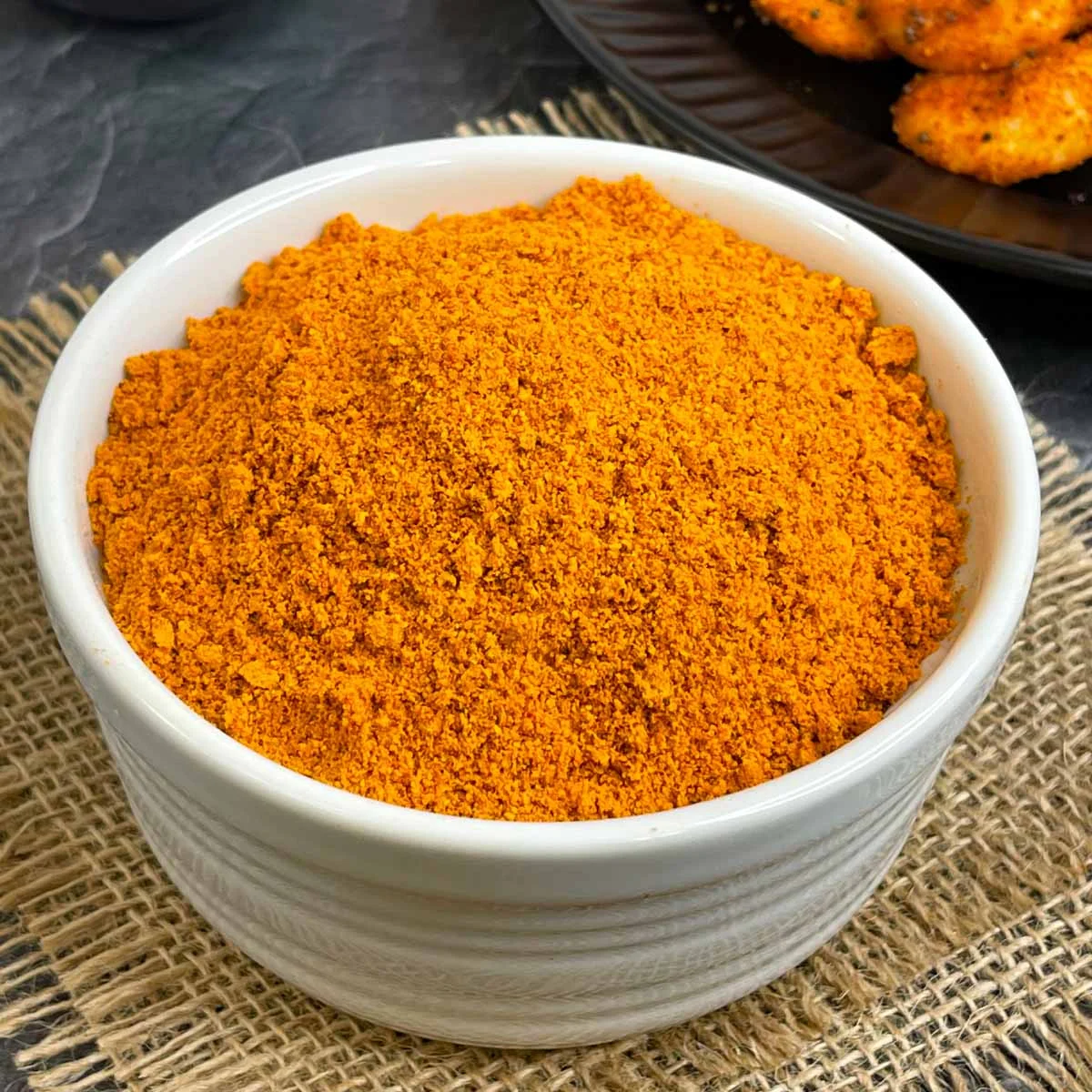
Idli milagai podi is a coarse or finely ground South Indian spice-and-lentil condiment, often called gunpowder. Toasted dals, sesame and chillies make a savoury accompaniment for idli, dosa or hot rice with ghee.
Ingredients
- 100 g (1/2 cup)chana dal (Bengal gram)
- 100 g (1/2 cup)urad dal
- 36 g (1/4 cup)sesame seeds
- 15–20dried red chillies (B for less heat, if available)
- 2 stalkscurry leaves
- 5 ml (1 teaspoon)oil
- 1 g (1/4 teaspoon)hing (asafoetida)
- to tastesalt
- 12 g (2 tablespoons)dry or desiccated coconut
Instructions
- 1
Roast the dals
Heat an iron skillet over a medium-low flame. Dry-roast the chana dal until golden brown, about 8–9 minutes, then transfer it to a plate to cool. Roast the urad dal over a low flame for about 4–5 minutes, until it smells nutty and changes colour, then set it aside to cool.
- 2
Toast sesame
Add the sesame seeds to the skillet and roast until they begin to change colour and crackle. Transfer them to the plate to cool.
- 3
Fry chillies
Heat 1 teaspoon of oil in the skillet. Add the dried red chillies and curry leaves, and sauté until the chillies puff up and the leaves are dry and crisp.
- 4
Cool ingredients
Turn off the heat and transfer the chillies and curry leaves to the plate. Leave all the roasted ingredients to cool completely.
- 5
Grind the podi
Once cool, put the roasted ingredients in a blender with the hing and salt. Grind to a fine or coarse powder, as you prefer. Tip it back onto the plate and mix well by hand.
- 6
Store and serve
Transfer the podi to an airtight container. Serve it with idli or dosa and ghee.
What is idli milagai podi?
Idli milagai podi is a South Indian dry condiment made by roasting lentils, chillies and other flavourings, then grinding them together. The name is often rendered as chilli powder for idli, while the nickname gunpowder reflects its punchy seasoning.
This version combines chana dal and urad dal for a savoury, nutty base, with sesame for a toasty note. It can be ground fine or left coarse, so the texture is easy to adjust to your preference.
Nutrition and macros by portion
The nutrition label shows one serving as written: 16 calories, 1g protein, 3g carbs, 0g fat.
| Portion | Adjustment | kcal | Protein | Carbs | Fat |
|---|---|---|---|---|---|
| Lighter | Use less ghee | 11 kcal | 1g | 2g | 0g |
| This serving | As written | 16 kcal | 1g | 3g | 0g |
| Hungry | Serve with extra idli | 24 kcal | 2g | 4g | 0g |
The recipe’s stated nutrition per serving is 16 kcal, with most of the carbohydrates and protein coming from the dals. Sesame, oil and coconut contribute fat, while the chillies and curry leaves add flavour in small quantities. Serve a measured portion with idli or dosa and add vegetables to round out the plate.
Roast each ingredient separately
Chana dal: give it the longer roast over medium-low heat, stopping when it turns golden brown. The recipe then roasts urad dal more briefly over low heat until its aroma turns nutty and its colour changes.
Sesame: toast it until it starts to crackle and change colour, then take it off the heat. Keeping the ingredients separate during roasting makes it easier to stop each one at the right point.
Watch the chillies and leaves
Chillies: fry them in the measured oil until they puff up. The recipe uses Bydagi chillies as a less spicy option; the number and variety you choose will affect the heat.
Curry leaves: cook them with the chillies until dry and crisp. Let the roasted mixture cool completely before blending so it is ready to grind evenly.
Choose your grind
Fine powder: blend for longer, pausing to check the texture. A finer grind mixes smoothly into ghee.
Coarse powder: stop blending while small pieces remain for a more textured spoonful. Once ground, mix the podi well by hand so the ingredients are evenly distributed.
Serve with idli, dosa or rice
Idli and dosa: serve the podi alongside, with ghee for mixing in as you eat. Its toasted, savoury flavour makes a simple accompaniment to both.
Hot rice: spoon some podi over the rice and add ghee. For a fuller meal, pair it with vegetables or a curry.
Keep the roast gentle
The method uses medium-low heat for chana dal and low heat for urad dal, rather than rushing the roast. Stir and keep an eye on the pan so the ingredients brown without scorching.
The given roasting times are useful guides, but colour, aroma and crackling are the cues described in the recipe. Remove each ingredient as soon as it reaches its cue.
Recipe notes & tips
- Use a low flame for the urad dal and keep stirring so it roasts evenly.
- Remove each ingredient from the pan as soon as it reaches the colour or texture cue in the method.
- Allow everything to cool completely before blending.
- Start with fewer chillies if you prefer a milder podi.
- Choose a coarse grind if you like more texture.
- Mix the ground ingredients thoroughly before storing.
Variations
- Adjust the heat: Use fewer chillies for a milder blend.
- Try another chilli: Choose a different dried red chilli variety to change the heat and flavour.
- Make it finer: Blend for longer for a smoother powder.
- Keep it coarse: Stop blending while the ingredients still have texture.
- Serve with rice: Pair a spoonful with hot rice and ghee.
Common mistakes to avoid
- Over-roasting the dals: Use the stated colour and aroma cues and remove each dal from the pan promptly.
- Using high heat: Keep the flame low or medium-low as specified so the ingredients do not scorch.
- Grinding while warm: Let all the roasted ingredients cool completely before blending.
- Over-grinding: Check the texture as you blend and stop when it suits your preference.
- Leaving the curry leaves soft: Sauté them until dry and crisp before taking them out.
How to store
Keep the podi in an airtight container in a cool, dry cupboard and use a clean, dry spoon. For best flavour, use it within a few weeks; discard it if it develops an unusual smell or shows signs of moisture.
Frequently asked questions
How spicy is idli milagai podi?
The heat depends on the dried chillies you use. Bydagi chillies are noted as a less spicy choice; use fewer chillies if you want a milder result.
Can I make the podi coarse?
Yes. Grind it only until it reaches the texture you like, from fine to coarse.
What can I serve it with?
It is served with idli and dosa, traditionally with ghee. It also works with hot rice and ghee.
Why must the ingredients cool before blending?
Cooling is part of the recipe’s method and helps ensure the roasted ingredients are ready to grind. Leave them until completely cool.
Can I leave out the coconut?
The listed recipe includes dry or desiccated coconut. Leaving it out changes the blend, so the result will not be exactly the same.
Cook it from the original
This recipe comes from indianveggiedelight.com. Their page has the author’s own photos, notes and tips — the best place to cook it from.
Open the recipe on indianveggiedelight.com