
Torta De Tres Leches (3 Milks Cake)
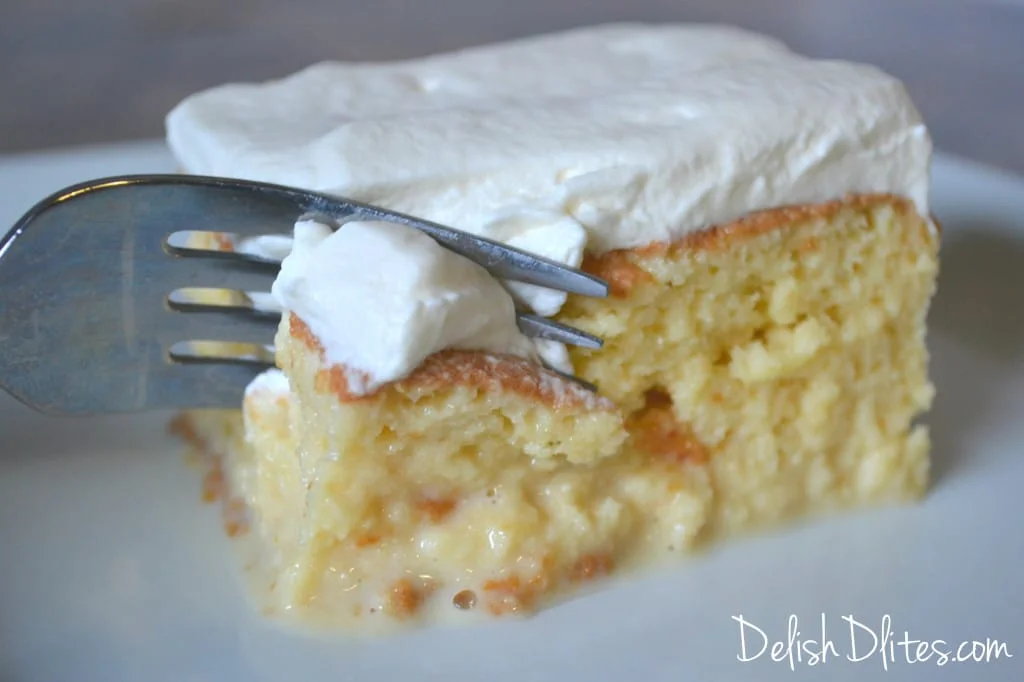
Torta de tres leches is a light sponge cake soaked with evaporated milk, sweetened condensed milk and cream, then finished with whipped cream. It is a good make-ahead dessert: the cake absorbs the milky mixture as it rests, becoming tender and rich without losing its airy texture.
Ingredients
- 125 g (1 cup)plain flour
- 6 g (1 1/2 teaspoons)baking powder
- 1.5 g (1/4 teaspoon)salt
- 5 largeeggs, separated
- 200 g (1 cup), dividedgranulated sugar
- 5 ml (1 teaspoon)vanilla extract
- 80 ml (1/3 cup)whole milk
- 1 can (354 ml / 12 oz)evaporated milk
- 1 can (397 g / 14 oz)sweetened condensed milk
- 60 ml (1/4 cup)double cream
- 420 ml (1 3/4 cups)double cream
- 5 ml (1 teaspoon)vanilla extract
- 31 g (2 1/2 tablespoons)sugar
Instructions
- 1
Prepare the tin
For the cake, heat the oven to 180°C (350°F). Line a 23 x 33 cm (9 x 13 inch) tin with baking parchment, leaving overhanging flaps at the sides to make handles, then spray the parchment with cooking spray.
- 2
Mix dry ingredients
Stir the flour, baking powder and salt together in a large bowl. Separate the eggs.
- 3
Beat the yolks
Beat the egg yolks with 150 g (3/4 cup) of the sugar on high speed until pale yellow. Stir in the milk and vanilla, then gently mix this into the flour mixture until combined.
- 4
Whip the whites
Beat the egg whites on high speed until soft peaks form. With the mixer running, add the remaining 50 g (1/4 cup) sugar and continue beating until stiff peaks form.
- 5
Fold the batter
Gently fold the egg whites into the batter just until combined. Pour it into the prepared tin and level the surface.
- 6
Bake the cake
Bake for 35 to 45 minutes, until a toothpick inserted in the centre comes out clean. Cool the cake on a baking rack, then turn it out onto a rimmed platter.
- 7
Soak the cake
Combine the condensed milk, evaporated milk and 60 ml (1/4 cup) cream in a small jug or jar. Once the cake is cool, prick its surface several times with a fork or toothpick. Slowly drizzle over all but about 120 ml (1/2 cup) of the milk mixture, using a pastry brush to spread it around the edges. Reserve the remaining mixture for serving, if you like.
- 8
Let it absorb
Leave the cake to absorb the milk mixture for at least 30 minutes.
- 9
Whip the topping
To make the topping, whip 420 ml (1 3/4 cups) cream with the vanilla and sugar until thick and spreadable.
- 10
Finish and serve
Spread the whipped cream over the cake. Cut into squares and serve.
What is tres leches cake?
Tres leches means “three milks” in Spanish, referring to the evaporated milk, sweetened condensed milk and cream that soak into the sponge. It is a popular Mexican dessert, often served chilled or at room temperature.
This version uses separated eggs to give the sponge a light structure that can take on the soaking mixture. A whipped cream topping finishes it without making the cake itself denser.
Nutrition and macros by portion
The nutrition label shows one serving as written: 465 calories, 10g protein, 60g carbs, 22g fat.
| Portion | Adjustment | kcal | Protein | Carbs | Fat |
|---|---|---|---|---|---|
| Lighter | Smaller cake square | 326 kcal | 7g | 42g | 15g |
| This serving | As written | 465 kcal | 10g | 60g | 22g |
| Hungry | Larger cake square | 698 kcal | 15g | 90g | 33g |
The flour and sugars provide most of the carbohydrates, while the condensed milk adds further sugar and the eggs contribute protein. Cream, egg yolks and whole milk account for much of the fat. Balance a square with fresh fruit, or serve a smaller piece after a substantial meal.
Why separate the eggs?
Yolks: beating them with most of the sugar until pale helps create a smooth, aerated base. The milk and vanilla are mixed into this before it meets the dry ingredients.
Whites: whipping them separately and folding them in gently provides much of the sponge’s lift. Stop folding as soon as no obvious streaks remain, so you do not knock out too much air.
Getting the soak right
Milk mixture: combine the three milks before pouring so each part of the cake gets a consistent blend. Add it slowly, giving the sponge a chance to absorb the liquid rather than letting it run straight to the edges.
Edges: use a pastry brush to distribute the mixture around the sides as directed. The reserved amount can be offered at serving for anyone who wants an extra pour.
How to check the cake
Bake: begin checking at 35 minutes, while keeping the stated 35 to 45 minute baking window in mind. A toothpick coming out clean is the recipe’s cue that the sponge is baked.
Cool: let the cake cool before piercing and soaking it. This gives it time to set and helps prevent the warm sponge from breaking up as the liquid is added.
Allow time to absorb
The recipe calls for at least 30 minutes of resting after soaking. This pause lets the milk mixture move through the sponge before the topping goes on.
The full recipe takes 90 minutes, but the cake also has a cooling and soaking stage. Plan the serving time around those steps rather than rushing to ice it straight from the oven.
Serving and topping
Whipped cream: beat the cream, vanilla and sugar until thick enough to spread, then cover the cake evenly. Avoid whipping it so far that it becomes grainy or stiff.
Serve the cake cut into squares, with any reserved milk mixture alongside. Its creamy sweetness works well after a savoury meal; fresh fruit can add a bright contrast.
Recipe notes & tips
- Leave parchment overhanging the tin so the baked cake is easier to lift or turn out.
- Fold the whipped egg whites in with a light hand to preserve the sponge’s airiness.
- Pour the milk mixture gradually rather than tipping it all into one spot.
- Use a pastry brush to help the soak reach the cake’s edges.
- Whip the topping only until thick and spreadable.
- Keep the reserved milk mixture separate until serving.
Variations
- Add cinnamon: dust a little over the whipped cream just before serving.
- Serve with fruit: add sliced strawberries or another fresh fruit alongside each square.
- Citrus note: add a little finely grated citrus zest to the whipped cream for a fresh aroma.
- Adjust the topping: leave off some of the whipped cream for a less-covered finish.
- Extra milk at the table: offer the reserved soaking mixture alongside the slices.
Common mistakes to avoid
- Overmixing the batter: it can deflate the sponge; fold the whites in only until combined.
- Pouring the soak too quickly: it may pool in one place; drizzle it on gradually.
- Soaking while hot: the cake may break up; wait until it has cooled.
- Skipping the edge check: the sides can remain less soaked; brush the mixture around them.
- Overwhipping the cream: it can turn grainy; stop once it is thick and spreadable.
How to store
Cover and refrigerate the cake, and aim to eat it within 3 days. Keep it chilled between servings; serve cold or let a slice stand briefly at room temperature. The recipe does not give reheating instructions, and the whipped cream topping is best served cold.
Frequently asked questions
Can I make tres leches cake ahead?
Yes. The cake needs time to cool and absorb the milk mixture, so you can prepare it ahead and keep it covered in the refrigerator.
How do I know when the sponge is baked?
Bake for 35 to 45 minutes and check with a toothpick. It is ready when the toothpick comes out clean.
Do I need to use all the milk mixture?
The method says to drizzle on all but about 120 ml (1/2 cup). Keep that remainder for serving if you like.
Why does the cake need to cool before soaking?
Cooling gives the sponge time to set before you pierce it and add the liquid. It also makes the cake easier to handle.
Can I serve it without whipped cream?
The recipe finishes the cake with whipped cream, but you can leave it off or use less if you prefer a simpler topping.
How should I serve the cake?
Cut it into squares and serve with any reserved milk mixture on the side. Fresh fruit can be served alongside for contrast.
Cook it from the original
This recipe comes from delishdlites.com. Their page has the author’s own photos, notes and tips — the best place to cook it from.
Open the recipe on delishdlites.com