
Garlic, Lemon & Thyme Roasted Chicken Breasts
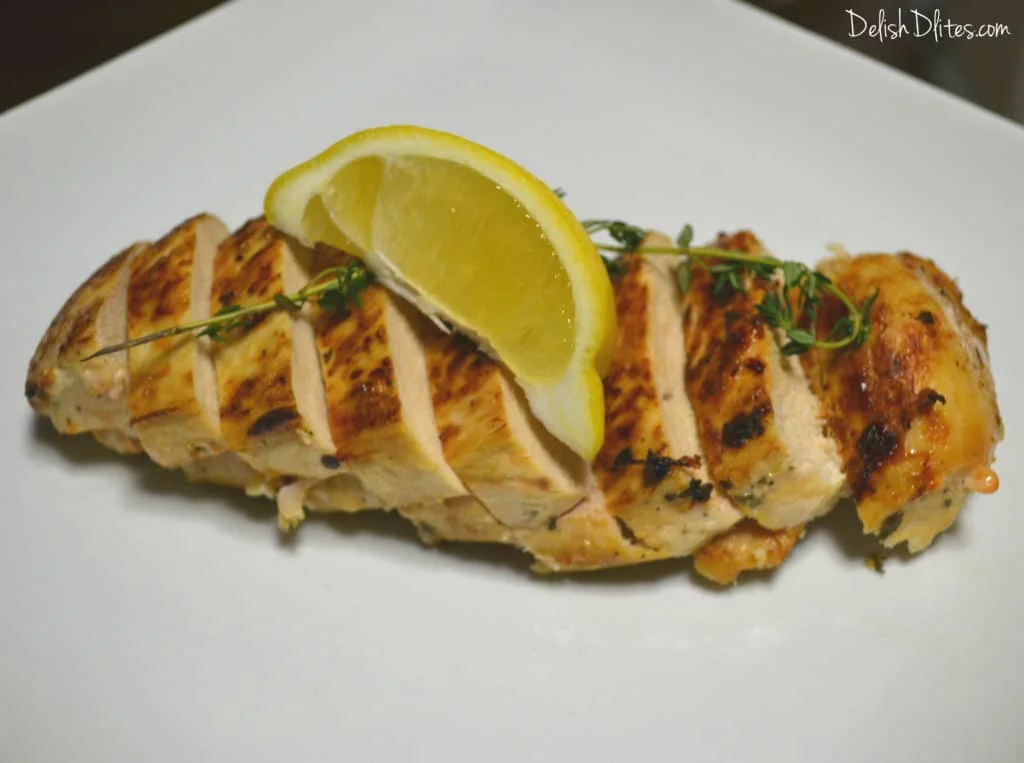
These chicken breasts are marinated with lemon, garlic and thyme, then seared and roasted until golden and tender. The two-stage cooking gives them colour on the outside while the bright marinade seasons the meat throughout.
Ingredients
- 4boneless, skinless chicken breasts
- Zest of 1lemon
- Juice of 1lemon
- 120 ml (½ cup)extra-virgin olive oil
- 4 clovesgarlic, minced
- 1 tablespoonfresh thyme
- 1 teaspoonsalt
- ½ teaspoonground black pepper
- 1 tablespoonolive oil, for sautéing
Instructions
- 1
Mix the marinade
Combine the lemon juice and zest with 120 ml (½ cup) olive oil, the garlic, thyme, salt and pepper. Put the chicken in a non-reactive glass dish or a plastic zip-top bag and pour the marinade over it, coating all sides. Cover and refrigerate for 2 hours.
- 2
Sear the chicken
Heat the oven to 200°C (400°F). Take the chicken out of the marinade and wipe away the excess. Heat 1 tablespoon olive oil in a pan and sear the breasts for 2 minutes on each side, until golden.
- 3
Roast until cooked
Arrange the chicken on a baking sheet lined with a baking rack. Roast at 200°C (400°F) for 20–30 minutes, depending on the thickness of the breasts, or until the internal temperature reaches 74°C (165°F).
What is lemon and thyme roasted chicken?
This is a straightforward roast chicken breast dish flavoured with lemon, garlic and fresh thyme. Its flavours draw on familiar Mediterranean-style combinations, though the recipe itself is a simple home-cooking preparation rather than a specific regional classic.
The marinade brings citrus and herbs to the chicken, while a quick sear adds colour before the breasts finish cooking in the oven.
Nutrition and macros by portion
The nutrition label shows one serving as written: 460 calories, 43g protein, 3g carbs, 31g fat.
| Portion | Adjustment | kcal | Protein | Carbs | Fat |
|---|---|---|---|---|---|
| Lighter | Use less marinade oil | 322 kcal | 30g | 2g | 22g |
| This serving | As written | 460 kcal | 43g | 3g | 31g |
| Hungry | Add a larger side | 690 kcal | 65g | 5g | 47g |
Chicken supplies most of the protein, while the olive oil is the main source of fat and much of the estimated energy. The lemon contributes a small amount of carbohydrate; the estimate counts the listed oil quantities even though some marinade may be discarded. Serve with vegetables and a modest portion of potatoes or grains for a balanced plate.
Why marinate the chicken?
Lemon and herbs: The zest gives the marinade fragrant lemon oils, while the juice contributes a sharper citrus note. Garlic and thyme round out the flavour without needing a long list of seasonings.
Two hours: Refrigerating the chicken in the marinade gives the surface time to take on its flavour. Keep it chilled while it marinates, and discard any marinade left after handling raw chicken.
Getting a good sear
Wipe off excess marinade before the chicken goes into the pan. A wet surface can hinder browning, and garlic or herbs clinging to the meat may darken quickly.
Give each breast 2 minutes on each side, aiming for an even golden colour. The chicken will continue cooking in the oven, so the sear is for colour rather than cooking it through.
Roasting and checking doneness
Thickness matters: The method allows 20–30 minutes in the oven because chicken breasts vary in size. Start checking at the shorter end of the range, particularly if the breasts are on the small side.
Temperature cue: Check the thickest part with a food thermometer and take the chicken out when it reaches 74°C (165°F). Letting it cook much beyond that can make lean breast meat dry.
The rack and texture
A rack set over the baking sheet lets hot air circulate around the chicken rather than leaving the underside sitting in its juices. This helps the meat roast more evenly after searing.
Rest the chicken briefly before slicing so the juices settle. The method does not specify a resting time, so use a few minutes while you finish preparing the rest of the meal.
What to serve alongside
Pair the chicken with roasted or steamed vegetables and a grain such as rice, couscous or potatoes. These sides make a complete plate and work well with the lemon-thyme juices.
A crisp green salad is another good match, especially if you want something fresh alongside the rich olive-oil marinade.
Recipe notes & tips
- Use a glass dish or food-safe plastic bag for the lemon marinade.
- Keep the chicken refrigerated throughout its 2-hour marinating time.
- Wipe away excess marinade before searing to help the surface brown.
- Sear the breasts in batches if the pan is crowded.
- Check the thickest breast with a thermometer, since size affects roasting time.
- Rest the cooked chicken briefly before slicing.
Variations
- Add rosemary: Replace some of the thyme with chopped fresh rosemary.
- Use dried thyme: Substitute a smaller amount of dried thyme if fresh is unavailable.
- Add chilli: Include a pinch of chilli flakes in the marinade for gentle heat.
- Serve with pan juices: Spoon any juices from the baking sheet over the sliced chicken.
- Add vegetables: Roast vegetables on a separate tray while the chicken cooks.
Common mistakes to avoid
- Skipping the chill: Marinate the chicken in the refrigerator, not at room temperature.
- Leaving on excess marinade: Wipe the breasts before searing so their surfaces can brown.
- Crowding the pan: Sear in batches if needed to avoid a crowded, steamy pan.
- Relying on timing alone: Check the thickest part reaches 74°C (165°F), as breast sizes differ.
- Overcooking the meat: Begin checking at 20 minutes and remove the chicken once it reaches the stated temperature.
How to store
Refrigerate leftovers in a covered container and use within 3–4 days. Reheat gently in the oven or microwave until hot throughout; sliced chicken can also be added to a salad or sandwich cold.
Frequently asked questions
Can I marinate the chicken for longer than 2 hours?
The recipe specifies 2 hours. Because the marinade contains lemon juice, avoid leaving the chicken in it for an extended period, as the texture can change.
Can I use chicken breasts with the skin on?
The recipe calls for boneless, skinless breasts. Skin-on pieces may need different searing and roasting times, so check doneness by temperature rather than relying on the timing given.
Do I need to remove all the marinade before searing?
No, just wipe away the excess. This helps the chicken brown while leaving the flavour from the marinade on the meat.
How do I know when the chicken is cooked?
Insert a food thermometer into the thickest part of a breast. It should read 74°C (165°F).
Can I cook the chicken without searing it first?
The recipe uses searing for a golden exterior before roasting. Skipping it changes the method and the surface colour, so allow for a different result.
Cook it from the original
This recipe comes from delishdlites.com. Their page has the author’s own photos, notes and tips — the best place to cook it from.
Open the recipe on delishdlites.com