
Puerto Rican BBQ Ribs (Costillas De Cerdo)
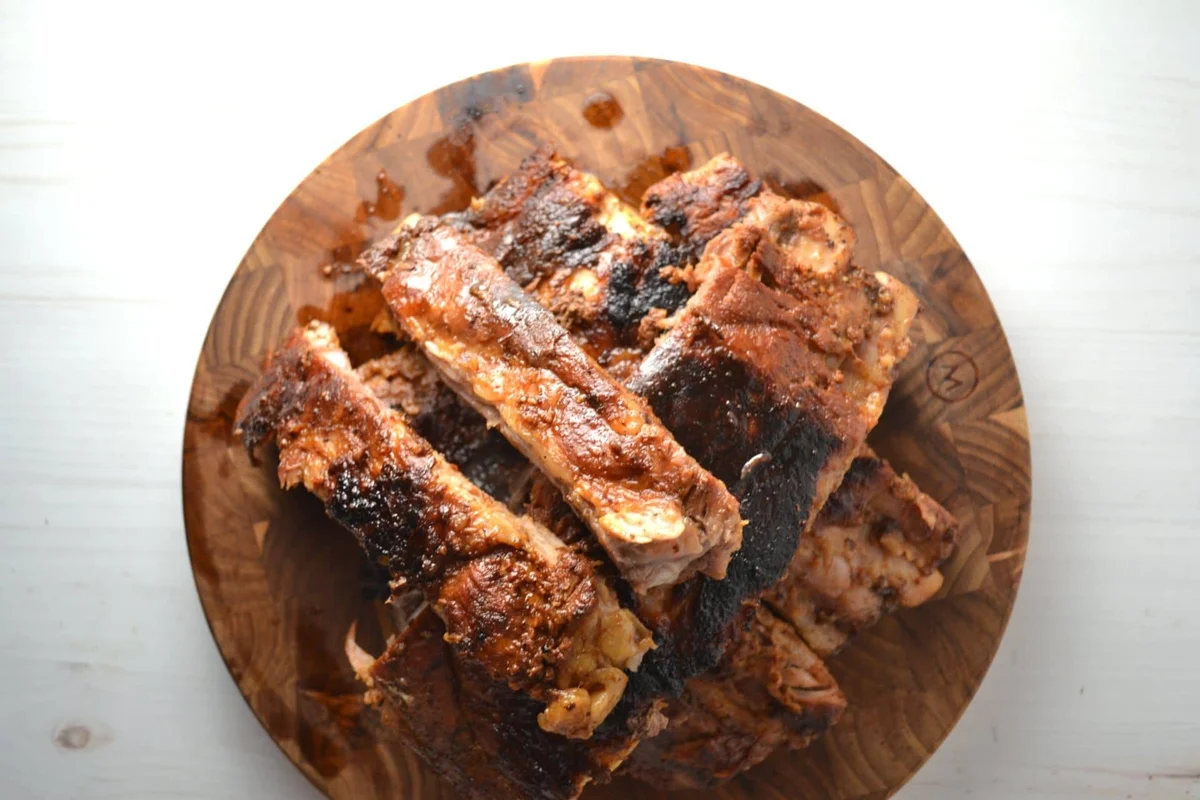
These Puerto Rican-style barbecue ribs are rubbed with adobo, paprika, oregano and black pepper, then grilled and cooked slowly in a foil pouch with vinegar and apple juice or stock. The two-stage method builds a browned exterior before the ribs soften until tender.
Ingredients
- 1 packageSmithfield Extra Tender fresh pork spareribs (contains 2 racks)
- 2 tbspolive oil
- 3 tbspadobo all-purpose seasoning (available in the Latin food aisle)
- 2 tbsppaprika
- 2 tspdried oregano
- 2 tspground black pepper
- 2 tbspred wine vinegar
- 120 ml (½ cup)apple juice or chicken stock
Instructions
- 1
Heat the grill
Preheat the grill to medium-low heat.
- 2
Oil the ribs
Rub each rack with 1 tablespoon of olive oil.
- 3
Mix the seasoning
Combine the adobo, paprika, dried oregano and black pepper.
- 4
Season the racks
Coat the ribs thoroughly with the seasoning mixture, including the sides.
- 5
Brown the ribs
Grill the ribs for 15 minutes on each side, until well browned on both sides.
- 6
Make foil pouches
Wrap the ribs in aluminium foil to form a pouch.
- 7
Add the liquid
Pour the red wine vinegar and apple juice or chicken stock into the pouch, then seal it tightly on all sides.
- 8
Cook until tender
Return the foil-wrapped ribs to the grill over low heat. Cook for 2–2½ hours, until tender.
- 9
Slice and serve
Cut the ribs into individual portions and serve straight away. If you like, serve barbecue sauce on the side for dipping.
What are Puerto Rican barbecue ribs?
Costillas de cerdo means pork ribs in Spanish; this preparation brings together a seasoned pork cut and a grill-friendly way of cooking it. Adobo, oregano and black pepper give the ribs a savoury, aromatic profile, while paprika adds colour.
This version first browns the racks over medium-low heat, then cooks them slowly in foil with vinegar and apple juice or stock. The two stages give the outside grill flavour and help the meat become tender.
Nutrition and macros by portion
The nutrition label shows one serving as written: 600 calories, 40g protein, 4g carbs, 47g fat.
| Portion | Adjustment | kcal | Protein | Carbs | Fat |
|---|---|---|---|---|---|
| Lighter | Trim visible rib fat | 420 kcal | 28g | 3g | 33g |
| This serving | As written | 600 kcal | 40g | 4g | 47g |
| Hungry | Serve a larger portion | 900 kcal | 60g | 6g | 71g |
Pork ribs provide most of the protein and fat, while the apple juice contributes a small amount of carbohydrate; chicken stock instead keeps that contribution lower. Adobo seasoning can add a substantial share of the sodium, so balance a portion with vegetables or salad and choose a lower-salt stock if using it.
The seasoning blend
Adobo: This all-purpose seasoning is the main savoury component, so check its saltiness before adding anything extra; the recipe does not call for additional salt.
Paprika and herbs: Paprika, dried oregano and black pepper round out the rub. Mix them evenly so each rack gets a balanced coating.
Brown before wrapping
The initial grilling gives both sides colour before the ribs are enclosed. Turn the racks carefully and aim for even browning rather than trying to cook them tender at this stage.
Keep the grill at medium-low as directed. If the ribs are colouring too quickly, lower the heat before moving on to the foil stage.
Seal the foil pouch well
Liquid choice: Apple juice brings a mild sweetness, while chicken stock gives a more savoury result. Red wine vinegar adds a sharp note in either case.
Tight seal: Fold the foil securely around the ribs so the liquid stays inside during the slow cook. Take care when opening the pouch, as hot steam will escape.
How to tell when they are tender
The recipe gives a covered cooking time of 2–2½ hours over low heat. Start checking near the shorter end of that range, as grill temperatures and rack sizes can vary.
Look for meat that has softened and is easy to pierce with a fork. Keep cooking if it still feels firm, and reseal the foil before returning the pouch to the grill.
Serving the ribs
Slice the racks into individual portions just before serving. Barbecue sauce is an optional dip, rather than part of the seasoning mixture.
Serve with a crisp salad, grilled vegetables or corn to add freshness alongside the rich pork. Keep any side dishes simple so the adobo and oregano remain prominent.
Recipe notes & tips
- Pat the ribs dry before rubbing them with oil so the seasoning adheres evenly.
- Mix the dry seasonings thoroughly to avoid concentrated patches of adobo or pepper.
- Use sturdy foil and fold the seams carefully to help prevent leaks.
- Keep the grill on low for the foil-wrapped stage and check that the pouch remains sealed.
- Let the pouch sit briefly after cooking before opening it, and watch for escaping steam.
Variations
- Use chicken stock: Choose stock instead of apple juice for a less sweet cooking liquid.
- Add a chilli kick: Mix a little chilli powder into the seasoning blend.
- Try smoked paprika: Swap it for regular paprika to give the rub a smoky note.
- Serve with barbecue sauce: Offer sauce at the table for dipping rather than changing the rub.
- Add citrus: Serve the cooked ribs with lime wedges for a fresh, tangy contrast.
Common mistakes to avoid
- Uneven seasoning: Coat the sides as well as the broad surfaces so the racks are seasoned all over.
- Loose foil seams: Seal the pouch tightly to keep the cooking liquid from escaping.
- Grilling too hot: Reduce the heat for the slow, wrapped stage so the ribs cook gently.
- Opening too quickly: Let the pouch rest briefly and open it away from your face to avoid the hot steam.
- Slicing too early: Wait until the ribs are tender, then cut them into individual portions for serving.
How to store
Refrigerate leftover ribs in a covered container within 2 hours and eat within 3–4 days. Reheat covered in a low oven until piping hot, adding a splash of stock or water if they seem dry; cooked ribs can also be frozen for up to 3 months.
Frequently asked questions
Can I use apple juice or chicken stock?
Either works in the foil pouch. Apple juice gives a mild sweetness, while chicken stock makes the cooking liquid more savoury.
How long do the ribs cook on the grill?
Brown them for 15 minutes per side, then cook the sealed foil pouches over low heat for 2–2½ hours, until tender.
Can I make these ribs without a grill?
The supplied method is written for a grill. If adapting it to an oven, use a covered baking dish or sealed foil pouch and check that the ribs are tender, as oven timing may differ.
How do I know the ribs are done?
They should be tender and easy to pierce with a fork. If they still feel firm, reseal the pouch and continue cooking.
Is barbecue sauce part of the recipe?
No barbecue sauce is included in the ingredient list or cooking method. It is suggested as an optional dip at the table.
Can I prepare the seasoning ahead?
Yes. Mix the adobo, paprika, oregano and black pepper in advance and keep the blend covered until you are ready to season the ribs.
Cook it from the original
This recipe comes from delishdlites.com. Their page has the author’s own photos, notes and tips — the best place to cook it from.
Open the recipe on delishdlites.com