
Camarones al Estilo Criollo con Gachas de Coliflor
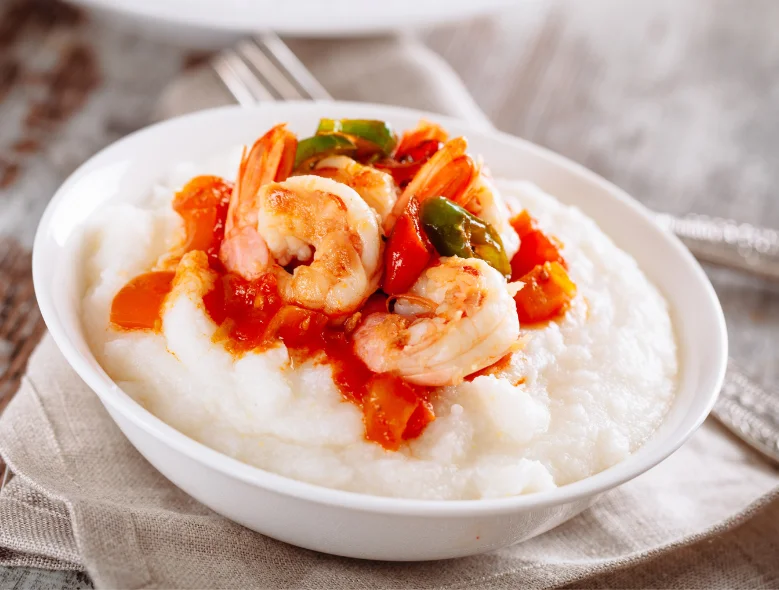
Spicy Creole-style shrimp is served over creamy cauliflower and white bean “grits” for a comforting seafood supper. It keeps the savoury, gently fiery character of the dish while replacing traditional corn grits with a vegetable-based base.
Ingredients
- 10 ml (2 tsp)vegetable oil
- 1 head, about 907 g (2 lb)cauliflower, trimmed and grated
- 4 cloves, minced and dividedgarlic
- ½ can, drained and rinsed (the recipe also notes 1½ cups, divided)low-sodium white beans
- 120 ml (½ cup)water
- 1 tbsp, finely grated; optionalParmesan cheese
- ½ tsponion powder
- ¼ tspblack pepper
- 454 g (1 lb)large shrimp, peeled and deveined
- 7.5 ml (1½ tsp)olive oil
- 2 stalks, dicedcelery
- 1 small, dicedyellow onion
- 1 whole, dicedgreen bell pepper
- 2 tspsalt-free Creole seasoning
- 397 g (14 oz)canned diced tomatoes
- 1 leafbay leaf
- 1 stalk, sliced, for garnishgreen onion (scallion)
- 1 tsphot sauce
Instructions
- 1
Cook cauliflower
For the grits, heat the vegetable oil in a medium pot over medium-high heat. Add the grated cauliflower and cook until softened and lightly browned, about 10 minutes.
- 2
Add garlic
Stir in 1 clove of the minced garlic and cook until fragrant, about 1 minute.
- 3
Add beans
Add the beans, broth and water, then cook for 5 minutes. Turn off the heat and stir in the Parmesan and onion powder. Mash or blend until creamy but still slightly textured, adding more water as needed. Season with pepper, cover and keep warm.
- 4
Sear shrimp
Pat the shrimp dry with a paper towel. Heat 1½ tsp oil in a large skillet over medium-high heat and arrange the shrimp in a single layer. Sear lightly on one side until curled and lightly charred, then transfer to a plate and add the remaining oil to the pan.
- 5
Cook vegetables
Add the celery, onion and green pepper. Reduce the heat to medium and cook, stirring occasionally, until tender but not deeply browned, about 7 minutes. Add water if the pan becomes too dry.
- 6
Simmer sauce
Add the remaining 3 cloves of minced garlic and the Creole seasoning; cook until fragrant, about 1 minute. Add the tomatoes, broth and bay leaf, scraping up any browned bits from the pan. Bring to a boil, then reduce to a simmer and cook for 10 minutes, stirring frequently to prevent sticking or burning.
- 7
Serve dish
Serve the shrimp mixture over the cauliflower grits and garnish with sliced green onion and hot sauce.
What are Creole shrimp and cauliflower grits?
Creole-style shrimp takes inspiration from Louisiana cooking, where seafood is often simmered with a seasoned tomato and vegetable base. Grits are traditionally made from ground corn, but this version uses cauliflower and white beans for a creamy bed beneath the shrimp.
The beans help give the cauliflower mixture body, while the spiced tomato sauce brings acidity and heat. Together they make a hearty dish with contrasting textures.
Nutrition and macros by portion
The nutrition label shows one serving as written: 280 calories, 31g protein, 24g carbs, 8g fat.
| Portion | Adjustment | kcal | Protein | Carbs | Fat |
|---|---|---|---|---|---|
| Lighter | Use less oil | 196 kcal | 22g | 17g | 6g |
| This serving | As written | 280 kcal | 31g | 24g | 8g |
| Hungry | Add more white beans | 420 kcal | 47g | 36g | 12g |
The shrimp provide most of the protein, while the cauliflower, beans and tomatoes contribute carbohydrates. The oils and optional Parmesan contribute much of the fat. Serve with extra greens or a salad to round out the plate without changing the main dish.
Building the creamy grits
Cauliflower: Grating it helps it soften and brown more quickly than large florets. Cook until tender before mashing or blending.
White beans: They add substance and help the mixture turn creamy. Blend only until mostly smooth so a little texture remains.
Getting a good shrimp sear
Dry shrimp: Patting the shrimp dry encourages browning rather than steaming. Arrange them in a single layer so they have contact with the hot pan.
Brief cooking: The shrimp are seared on one side, then set aside while the sauce cooks. They finish warming when served with the hot Creole mixture.
Making the Creole sauce
Soft vegetables: Cook the celery, onion and green pepper until tender without letting them brown heavily. Add a little water if the pan dries out before they are ready.
Tomato simmer: Scrape the browned bits into the sauce when adding the tomatoes and broth. Stir regularly during the 10-minute simmer so the thicker sauce does not catch on the pan.
Seasoning and heat
Salt-free seasoning: A salt-free Creole blend lets you control the saltiness, especially if using broth or canned ingredients with varying salt levels. Taste the finished sauce before serving.
Hot sauce: Add it at the table for adjustable heat, or use less if you prefer a milder plate.
Timing and serving
The cauliflower grits can stay covered and warm while you make the shrimp sauce. Prepare the vegetables and shrimp before heating the pans to keep the cooking sequence moving.
Serve the shrimp and sauce over the grits so the creamy base catches the tomato juices. A simple green salad or steamed greens make a fresh side.
Recipe notes & tips
- Grate the cauliflower evenly so it softens at a similar rate.
- Use a salt-free Creole seasoning if you want more control over the dish’s saltiness.
- Avoid crowding the shrimp in the skillet; sear them in batches if needed.
- Keep the cauliflower mixture covered while the sauce simmers.
- Stir the tomato sauce regularly, especially as it thickens.
- Serve hot sauce on the side so everyone can choose their preferred heat.
Variations
- Quick stock: Use homemade shrimp-shell stock in place of the broth for extra seafood flavour.
- More heat: Add extra hot sauce at the table for a spicier serving.
- Milder sauce: Reduce or omit the hot sauce and choose a gentler Creole seasoning.
- Herb finish: Add chopped fresh parsley alongside the sliced green onion.
- Dairy-free: Leave out the optional Parmesan and check that the seasoning blend contains no dairy.
Common mistakes to avoid
- Wet shrimp: They are more likely to steam than sear; pat them thoroughly dry first.
- Crowded pan: Shrimp may cook unevenly; arrange them in one layer or sear in batches.
- Over-blended grits: The mixture can lose its pleasant texture; mash or blend only until creamy with some texture left.
- Over-browned vegetables: They can dominate the sauce; lower the heat and cook just until tender.
- Unwatched sauce: The thickening tomato mixture can stick or burn; stir frequently during the simmer.
How to store
Refrigerate leftovers in an airtight container for up to 3 days. Reheat gently in a covered pan or in the microwave, adding a splash of water if the cauliflower grits have thickened; avoid prolonged heating so the shrimp do not become tough.
Frequently asked questions
Can I use frozen shrimp?
Yes. Thaw them completely and pat them dry before searing so excess moisture does not prevent browning.
Can I make the cauliflower grits ahead?
You can prepare them ahead and refrigerate them, then reheat gently with a little water to loosen the texture. Keep them covered while reheating.
How can I tell when the shrimp are cooked?
They should be opaque and curled, rather than translucent. Since they are seared before the sauce is finished, avoid leaving them over heat for too long.
Can I use fresh tomatoes instead of canned?
Canned diced tomatoes are specified for this recipe. Fresh tomatoes can vary in water content, so the sauce may need a different simmering time to thicken.
What can I use instead of Creole seasoning?
A salt-free Cajun seasoning is suggested as a convenient alternative. Check its ingredients and adjust the added hot sauce to suit its heat level.
Why does the method mention broth?
The instructions refer to broth, but no broth amount appears in the supplied ingredient list. Check the original recipe details before cooking to confirm how much to use.
Cook it from the original
This recipe comes from diabetesfoodhub.org. Their page has the author’s own photos, notes and tips — the best place to cook it from.
Open the recipe on diabetesfoodhub.org