
Baked Teriyaki Salmon
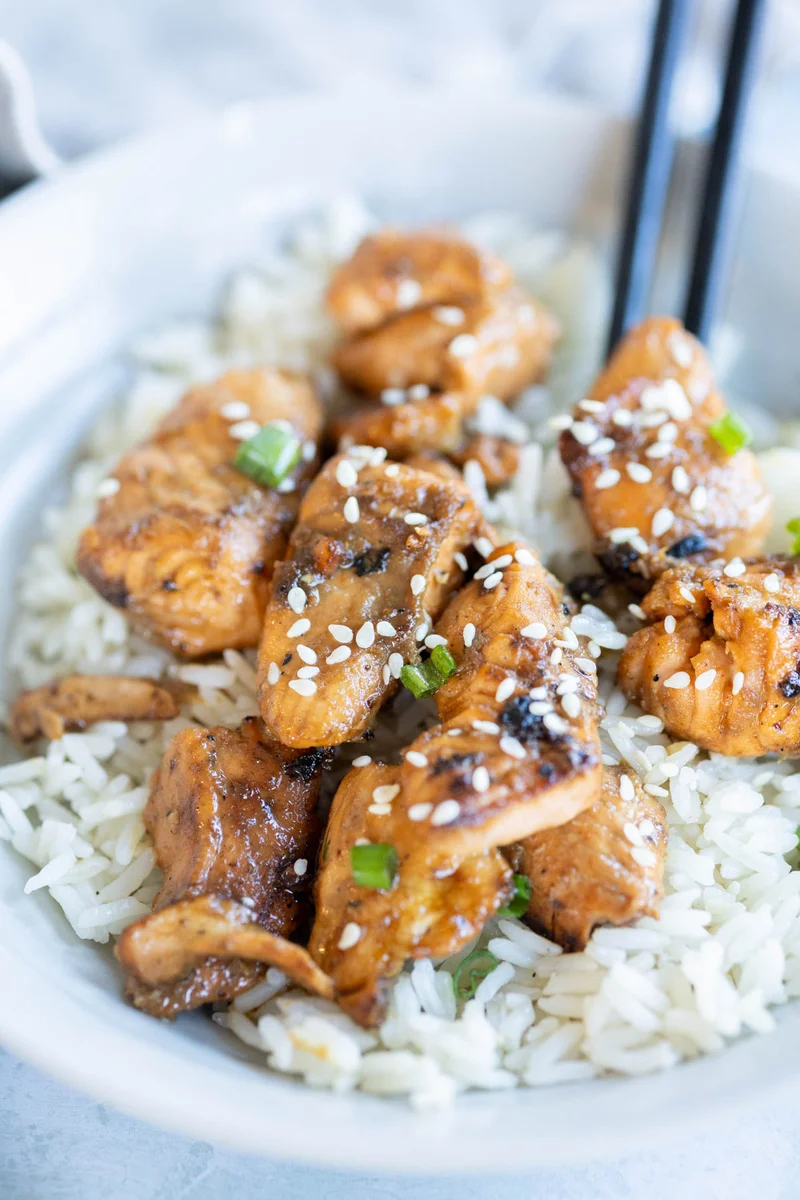
Baked teriyaki salmon is a simple oven-cooked fish dinner with a savoury, slightly sweet marinade. It needs little hands-on work and pairs easily with rice and vegetables.
Ingredients
- 340 g (12 oz)salmon fillets, skin on, fresh or frozen
- 45 ml (3 tablespoons)teriyaki sauce, or soy-free teriyaki sauce
- 30 ml (2 tablespoons)avocado oil, olive oil or sesame oil
- 30 ml (2 tablespoons)minced spring onion, green parts only
- 2 clovesgarlic, minced
- 1 pinchsalt and pepper, or more or less to taste
Instructions
- 1
Mix the marinade
Put all the ingredients in a small bowl and whisk to combine. You can make the marinade up to a day ahead; cover and keep it in the refrigerator until needed.
- 2
Prepare the salmon
Pat the salmon fillets dry with paper towels, then place them in a glass baking dish or a sturdy, sealable food bag.
- 3
Coat the fillets
Pour the marinade over the salmon and turn the fillets so both sides are coated.
- 4
Marinate the fish
Leave the salmon in the marinade at room temperature for 30 minutes, or cover and refrigerate it for up to 1 hour. Alternatively, seal the bag or container and freeze the salmon in the marinade for up to 4 months.
- 5
Heat the oven
Preheat the oven to 204°C (400°F). Take the salmon out of the marinade, shaking off any excess, and arrange it skin-side down in a foil-lined baking dish.
- 6
Add marinade
Spoon a little marinade over the fish to help keep it moist as it cooks. Discard the rest; it is not safe to reuse.
- 7
Bake the salmon
Bake for 13–15 minutes, or until the fish is cooked through and flakes easily when tested with a fork.
What is baked teriyaki salmon?
Teriyaki is a Japanese cooking style in which food is coated with a glossy, savoury-sweet sauce. This version uses a quick marinade and oven baking for an easy fish supper.
Salmon’s rich flavour stands up well to teriyaki sauce, while garlic and spring onion add savoury notes. Baking it skin-side down helps keep the fillets together as they cook.
Nutrition and macros by portion
The nutrition label shows one serving as written: 84 calories, 1g protein, 4g carbs, 7g fat.
| Portion | Adjustment | kcal | Protein | Carbs | Fat |
|---|---|---|---|---|---|
| Lighter | Use less oil | 59 kcal | 1g | 3g | 5g |
| This serving | As written | 84 kcal | 1g | 4g | 7g |
| Hungry | Serve with extra rice | 126 kcal | 2g | 6g | 11g |
The salmon supplies most of the protein and some of the fat, while the oil contributes additional fat. Teriyaki sauce provides most of the carbohydrate; serve the fillet with vegetables and a measured portion of rice if you want to balance the plate.
Choosing the ingredients
Teriyaki sauce: The sauce brings the main sweet and savoury flavour, so choose one you enjoy. A soy-free teriyaki sauce is an option if needed.
Cooking oil: Avocado, olive or sesame oil can be used. Sesame oil gives the marinade a more pronounced toasted flavour.
Salmon: Skin-on fillets are specified here; fresh or frozen salmon can be used. If using frozen fish, thaw it before patting it dry and marinating.
Making the marinade
Mixing: Whisk the ingredients together until the oil and teriyaki sauce are combined as evenly as possible. The marinade can be made up to a day ahead and kept covered in the refrigerator.
Coating: Turn the fillets so the marinade reaches both sides. A glass dish or sturdy food bag keeps the fish contained while it marinates.
Marinating safely
Room temperature: The method gives a 30-minute room-temperature marinade. For a longer marinade, cover the fish and refrigerate it for up to 1 hour.
Freezing: The salmon can be sealed in the marinade and frozen for up to 4 months. Thaw it safely before cooking, then follow the baking instructions.
Getting the texture right
Before baking: Shake off excess marinade and place the fillets skin-side down. Spoon only a little fresh marinade over the fish, and discard what remains after the raw fish has been in it.
Doneness: Start checking at 13 minutes. The salmon is ready when it is cooked through and flakes easily when gently tested with a fork; thicker fillets may need the full 15 minutes.
What to serve with it
A bowl of rice makes a straightforward partner for the savoury sauce. Add steamed or roasted vegetables, such as broccoli or green beans, for a more complete plate.
For a lighter accompaniment, serve the salmon with a crisp salad or sliced cucumber. Keep the sides simple so the teriyaki flavour remains the focus.
Recipe notes & tips
- Pat the salmon dry before adding the marinade so it coats the surface rather than sliding off.
- Use a dish or bag that holds the fillets snugly to keep them in contact with the marinade.
- Line the baking dish with foil to make it easier to clean.
- Check the salmon at 13 minutes, especially if the fillets are on the thinner side.
- Discard marinade that has touched the raw fish rather than serving it at the table.
Variations
- Use sesame oil: Swap in sesame oil for a deeper toasted aroma.
- Choose soy-free sauce: Use soy-free teriyaki sauce as the recipe allows.
- Add a garnish: Scatter extra sliced spring onion over the salmon after baking.
- Serve with greens: Pair the fillets with steamed broccoli or green beans.
- Make it a bowl: Serve over rice with vegetables and spoon over any safe cooking juices from the dish.
Common mistakes to avoid
- Skipping the drying: Wet fish can dilute the marinade; pat the fillets dry first.
- Leaving fish uncovered in the refrigerator: Cover the dish or seal the bag while the salmon marinates.
- Using all the marinade after contact with raw fish: Spoon a little over the fish before baking and discard the remainder.
- Overbaking: Begin checking at 13 minutes and take the salmon out once it flakes easily.
- Placing the fish skin-side up: Set the fillets skin-side down in the lined baking dish.
How to store
Refrigerate leftover cooked salmon in a covered container and use within 2 days. Reheat gently in the oven or microwave until piping hot; avoid prolonged heating, which can dry out the fish.
Frequently asked questions
Can I use frozen salmon?
Yes. Thaw it before patting the fillets dry and adding the marinade.
Can I marinate the salmon overnight?
The method allows up to 1 hour in the refrigerator. You can prepare the marinade up to a day ahead, but keep it separate from the fish until you are ready to marinate.
Can I prepare the salmon in advance and freeze it?
Yes. Seal the salmon in its marinade and freeze for up to 4 months. Thaw it safely before baking.
How can I tell when the salmon is done?
It should be cooked through and flake easily when pierced with a fork. Begin checking at 13 minutes.
Can I reuse the marinade?
No. Once it has been in contact with raw salmon, discard the remaining marinade. The method uses only a little of it over the fish before baking.
Cook it from the original
This recipe comes from cookathomemom.com. Their page has the author’s own photos, notes and tips — the best place to cook it from.
Open the recipe on cookathomemom.com