
Shrimp Pesto Pasta
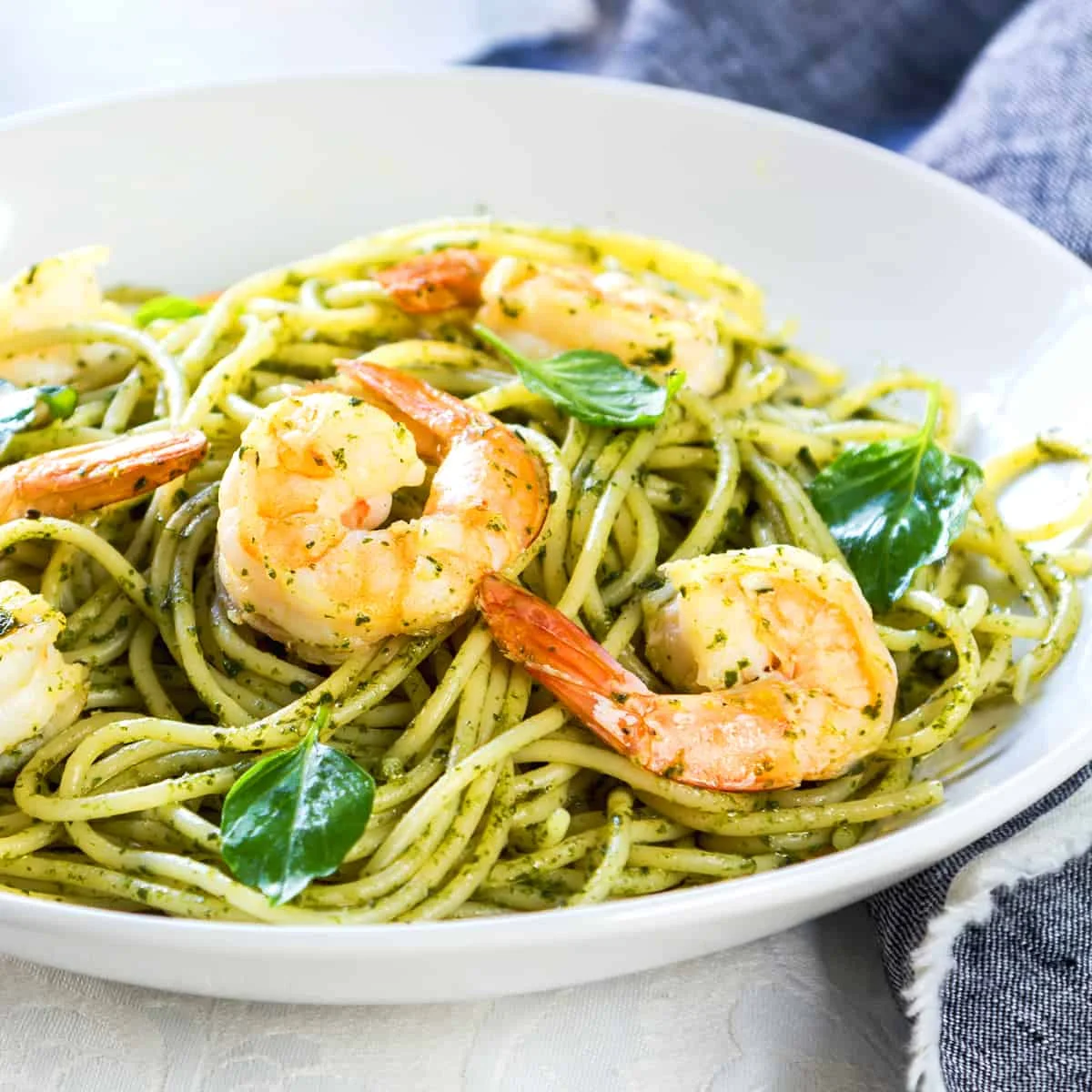
Shrimp pesto pasta brings tender prawns, fragrant basil pesto and al dente pasta together in a quick Italian-inspired meal. It is ready in about 20 minutes, making it a handy choice when you want a satisfying dinner without a long cooking process.
Ingredients
- 283 g (10 ounces)uncooked spaghetti, fettuccine or angel hair pasta
- 15 ml (1 tablespoon)olive oil
- 454 g (1 pound)large shrimp, deveined, tails on or off as preferred; thaw completely if frozen
- 2.5 ml (1/2 teaspoon)onion powder
- 2.5 ml (1/2 teaspoon)garlic powder
- 2 clovesgarlic
- 1.25 ml (1/4 teaspoon)freshly ground black pepper
- 2.5 ml (1/2 teaspoon)salt
- 10 ml (2 teaspoons)lemon zest
- A squeezefresh lemon juice
- 160 ml (2/3 cup)basil pesto
- To tastebasil leaves, for garnish
Instructions
- 1
Cook the pasta
Boil the pasta in generously salted water until al dente, about 7–8 minutes. Drain it, reserving 120 ml (1/2 cup) of the cooking water first.
- 2
Season and cook
As the pasta cooks, pat the shrimp dry and put them in a bowl. Stir in the onion powder, garlic powder, salt and pepper. Warm the olive oil in a large frying pan over medium-high heat, then add the shrimp and minced garlic. Cook for 1–2 minutes on each side, until opaque and cooked through, adding the lemon zest towards the end. Take care not to overcook them, then remove from the pan and set aside.
- 3
Toss and serve
Add the hot pasta, pesto, a squeeze of lemon juice and about 80 ml (1/3 cup) of the reserved pasta water. Toss with tongs until combined and creamy, adding a little more pasta water if needed. Taste and add more salt if desired. Top with the cooked shrimp and a few basil leaves, then serve immediately.
What is shrimp pesto pasta?
This is a quick pasta dish combining shrimp with basil pesto, garlic and lemon. Pesto alla genovese, the best-known basil pesto, comes from Genoa in Italy; this version pairs that herb-rich sauce with seafood for a fresh, savoury meal.
The method keeps the pasta and shrimp separate until the final toss. Starchy pasta water helps the pesto cling to the noodles rather than sitting in a thick layer at the bottom of the pan.
Nutrition and macros by portion
The nutrition label shows one serving as written: 459 calories, 11g protein, 57g carbs, 20g fat.
| Portion | Adjustment | kcal | Protein | Carbs | Fat |
|---|---|---|---|---|---|
| Lighter | Less pasta, more vegetables | 321 kcal | 8g | 40g | 14g |
| This serving | As written | 459 kcal | 11g | 57g | 20g |
| Hungry | Larger pasta portion | 689 kcal | 17g | 86g | 30g |
Most of the carbohydrate comes from the pasta, while the pesto and olive oil contribute much of the fat. The shrimp provides protein, with a smaller amount also coming from the pasta; add a green salad or vegetables to round out the plate.
Choosing the pasta and pesto
Pasta shape: Spaghetti, fettuccine and angel hair all work here. Cook whichever you choose until just al dente, since it will be tossed with the sauce while hot.
Pesto: Use basil pesto for the intended flavour. Since jarred and homemade pestos vary in saltiness, taste the finished pasta before adding more salt.
Getting the shrimp right
Dry surface: Pat the shrimp thoroughly with kitchen paper before seasoning; excess moisture can make them release liquid in the pan.
Doneness: Cook over medium-high heat for 1–2 minutes per side, until opaque throughout. Add the lemon zest towards the end and take the shrimp off the heat once cooked so they stay tender.
Making a smooth pesto sauce
Reserved water: Save 120 ml (1/2 cup) before draining the pasta. The recipe uses about 80 ml (1/3 cup) to start, with more added only if needed.
Tossing: Combine the hot pasta, pesto, lemon juice and pasta water with tongs. The sauce should look creamy and coat the noodles; add the water gradually rather than pouring it all in at once.
Timing the components
Pasta first: Start cooking the pasta, then season and pan-cook the shrimp while it boils. This lets you bring the hot pasta straight into the final toss.
Serve promptly: Toss everything together just before eating. The pesto-coated pasta is at its best while warm and freshly sauced.
What to serve alongside
Fresh side: A simple green salad or steamed vegetables add freshness alongside the rich pesto and pasta.
Bread: Serve with bread if you would like something to mop up any pesto left on the plate. Keep the side simple so the shrimp and basil flavours remain the focus.
Recipe notes & tips
- Thaw frozen shrimp completely before cooking.
- Mince the garlic before adding it to the hot pan so it cooks evenly with the shrimp.
- Keep a little extra pasta water in reserve in case the sauce needs loosening.
- Add the lemon zest near the end of cooking to preserve its bright citrus aroma.
- Taste the pesto-coated pasta before adding extra salt.
Variations
- Use another pasta shape: Choose a similar amount of a shape you already have in the cupboard.
- Add spinach: Toss fresh spinach through the hot pasta so it wilts into the pesto.
- Add cherry tomatoes: Halve them and fold them through at the end for a fresh, juicy contrast.
- Try a different pesto: Use another herb pesto for a different flavour while keeping the same method.
- Make it cheesier: Finish with grated Parmesan at the table.
Common mistakes to avoid
- Skipping the pasta water: Save some before draining so you can loosen and bind the pesto sauce.
- Wet shrimp: Pat them dry before seasoning to avoid extra moisture in the pan.
- Overcooking the shrimp: Remove them as soon as they are opaque and cooked through.
- Adding all the water at once: Start with about 80 ml and add more only until the sauce turns creamy.
- Leaving the pasta to sit: Toss and serve promptly so the sauce coats the noodles while they are hot.
How to store
Refrigerate leftovers in an airtight container for up to 2 days. Reheat gently in a pan with a small splash of water, just until hot; avoid prolonged heating, which can make the shrimp tough.
Frequently asked questions
Can I use frozen shrimp?
Yes. Thaw them completely before cooking, then pat them dry and follow the method.
How do I know when the shrimp are cooked?
They should be opaque throughout after about 1–2 minutes on each side. Take them off the heat promptly to avoid a rubbery texture.
Can I make this with a different pasta shape?
Yes. The recipe works with spaghetti, fettuccine or angel hair, and you can use another shape if you cook it until al dente.
Why reserve pasta water?
Its starch helps the pesto coat the pasta and gives the sauce a creamy texture. Add it gradually until the sauce looks right.
Can I prepare it ahead?
It is best tossed and served straight away. You can measure the ingredients and thaw the shrimp ahead, then cook the pasta and shrimp just before serving.
Can I leave the shrimp tails on?
Yes. Leave the tails on or remove them according to your preference, as the recipe allows.
Cook it from the original
This recipe comes from daringgourmet.com. Their page has the author’s own photos, notes and tips — the best place to cook it from.
Open the recipe on daringgourmet.com