
Nyama Choma A Delectable East African Delight
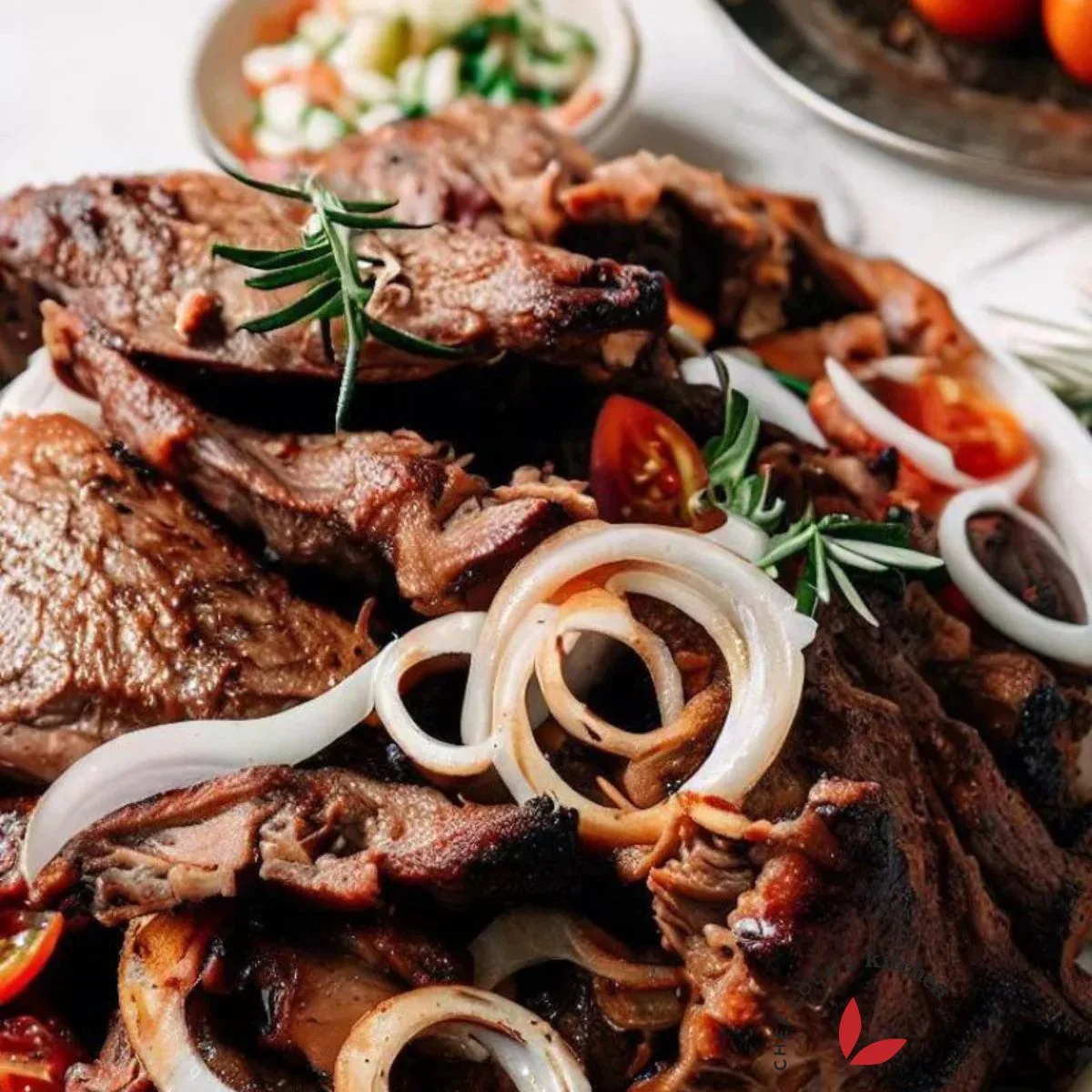
Nyama choma is East African grilled meat, here marinated with garlic, ginger, lemon and warm spices. It is a good choice for a barbecue or a shared meal, with the grill adding a smoky, savoury finish.
Ingredients
- 907 g (2 lb)meat, preferably goat or beef
- 120 ml (½ cup)water
- 4 clovesgarlic, minced
- 1 tbspgrated ginger
- ½ tbsppaprika
- 1 tspcurry powder
- 1 tsprosemary leaves, minced
- 1 tspbouillon powder (or 1 tbsp soy sauce)
- ¼ tsp, or to tastecayenne pepper (optional)
- 60 ml (¼ cup)vegetable oil
- 60 ml (¼ cup)freshly squeezed lemon juice
- to tastesalt and pepper
Instructions
- 1
Mix the marinade
In a large bowl, whisk together the water, garlic, ginger, paprika, curry powder, rosemary, bouillon powder, cayenne, lemon juice, vegetable oil, salt and pepper until well combined.
- 2
Coat the meat
Add the meat to the bowl and turn the pieces until they are coated all over with the marinade.
- 3
Marinate the meat
Cover the bowl with cling film and refrigerate for at least 2 hours, or ideally overnight, to let the flavours develop.
- 4
Heat the grill
Preheat the grill to medium-high. If cooking over coals, wait until they are fully heated and spread evenly.
- 5
Grill the meat
Set the meat over direct heat and grill goat or beef for 20–25 minutes, turning occasionally for even cooking. Baste with any remaining marinade as it cooks.
- 6
Check for doneness
Cut into a piece to check it: the recipe calls for goat or beef to be slightly pink in the centre, and chicken or pork to be cooked through. Adjust the grilling time as needed.
- 7
Rest the meat
Take the meat off the grill and leave it to rest for a few minutes before serving.
- 8
Serve with sides
Serve the nyama choma with accompaniments such as ugali, sukuma wiki, chapati or kachumbari.
What is nyama choma?
Nyama choma means grilled meat in Swahili and is a well-known East African barbecue dish, especially associated with Kenya and Tanzania. It is often served communally with simple sides.
This version coats goat or beef in a citrusy, spiced marinade before grilling. The lemon, aromatics and herbs add flavour while direct heat gives the meat a browned, smoky exterior.
Nutrition and macros by portion
The nutrition label shows one serving as written: 273 calories, 49g protein, 3g carbs, 6g fat.
| Portion | Adjustment | kcal | Protein | Carbs | Fat |
|---|---|---|---|---|---|
| Lighter | More greens, less meat | 191 kcal | 34g | 2g | 4g |
| This serving | As written | 273 kcal | 49g | 3g | 6g |
| Hungry | Add ugali or chapati | 410 kcal | 73g | 5g | 9g |
The meat supplies most of the protein, while the small amount of carbohydrate comes mainly from the seasonings and marinade ingredients. Vegetable oil contributes most of the fat. To balance the plate, serve a moderate portion with plenty of sukuma wiki or kachumbari.
Why this marinade works
Aromatics: garlic and ginger give the marinade a savoury, fresh base, while paprika, curry powder and rosemary build its fragrant spice profile.
Acidity and oil: lemon juice brings brightness, and oil helps the mixture coat the meat. Bouillon powder adds savouriness; soy sauce can be used in its place.
Plan for marinating time
The listed total time does not include the method’s marinating period. Allow at least 2 hours in the fridge, or leave the covered meat overnight for a more developed flavour.
Keep the meat refrigerated while it marinates. If you reserve marinade for basting, set some aside before adding raw meat rather than reusing marinade that has touched it.
Grilling over direct heat
Hot coals: wait until they are fully heated and evenly spread before cooking, as directed. This helps the pieces cook more consistently over direct heat.
Turning and basting: turn the meat occasionally so it cooks evenly, and baste during grilling as the recipe suggests. Avoid letting the pieces sit in flames or burn on the outside before the centre is ready.
Check the meat carefully
Doneness: the method suggests checking a cut piece, but colour alone is not a reliable food-safety test. For a whole cut of beef or goat, use a food thermometer and follow local safe-temperature guidance; poultry and pork also need to reach a safe internal temperature.
Resting: leave the grilled meat for a few minutes before serving. This gives you time to prepare the sides and makes the meat easier to portion.
Serve it with East African sides
Starchy sides: ugali or chapati make a hearty pairing and are useful for scooping up juices and any accompanying sauce.
Fresh and leafy sides: kachumbari adds a crisp, tangy contrast, while sukuma wiki brings cooked greens to the plate. Serve one or more alongside the meat.
Recipe notes & tips
- Cut the meat into pieces of a similar size so they cook at a more even rate.
- Pat the meat lightly if it is dripping with marinade before placing it on the grill, to reduce flare-ups.
- Use a clean utensil and plate for cooked meat rather than the ones used for raw meat.
- Keep the cayenne optional and adjust it to suit the people you are serving.
- Have your sides ready before grilling, as the meat is best served soon after its short rest.
Variations
- Use soy sauce: swap it for the bouillon powder for a savoury alternative.
- Adjust the heat: leave out the cayenne for a milder marinade or add it to taste.
- Try chicken: use chicken pieces and cook them through to a safe internal temperature.
- Add a fresh side: serve with kachumbari for a crisp, tangy contrast.
- Choose the cut: use goat for a traditional-feeling variation or beef if preferred.
Common mistakes to avoid
- Skipping the marinade: allow at least 2 hours in the fridge so the flavours have time to develop.
- Starting over unready coals: wait until they are fully heated and evenly distributed before grilling.
- Crowding the grill: leave room between pieces so they cook over direct heat rather than steaming.
- Basting with used marinade: reserve a clean portion before it touches raw meat, or discard marinade that has contacted it.
- Judging by colour alone: use a food thermometer and safe-temperature guidance to check doneness.
How to store
Refrigerate leftover cooked meat in a covered container and use within 3–4 days. Reheat until steaming hot, or enjoy it cold in a salad or wrap; keep raw marinating meat refrigerated and cook it promptly after marinating.
Frequently asked questions
How long should I marinate nyama choma?
The method calls for at least 2 hours in the fridge and says overnight is ideal. The listed 30-minute total time does not account for this marinating period.
Can I make this without a charcoal grill?
Yes. Use a gas grill set to medium-high heat and cook over direct heat, turning the meat occasionally.
Can I use chicken instead of goat or beef?
Yes, but cooking time will depend on the size and cut of the chicken. Cook it through to a safe internal temperature rather than relying on appearance alone.
What can I serve with nyama choma?
The recipe suggests ugali, sukuma wiki, chapati and kachumbari. Choose a starch, a vegetable side or both.
Is the meat supposed to be pink in the middle?
The method describes goat or beef as slightly pink, but colour is not a dependable safety check. Use a food thermometer and follow local guidance for the specific meat and cut.
Cook it from the original
This recipe comes from cheflolaskitchen.com. Their page has the author’s own photos, notes and tips — the best place to cook it from.
Open the recipe on cheflolaskitchen.com