
Shrimp Pasta
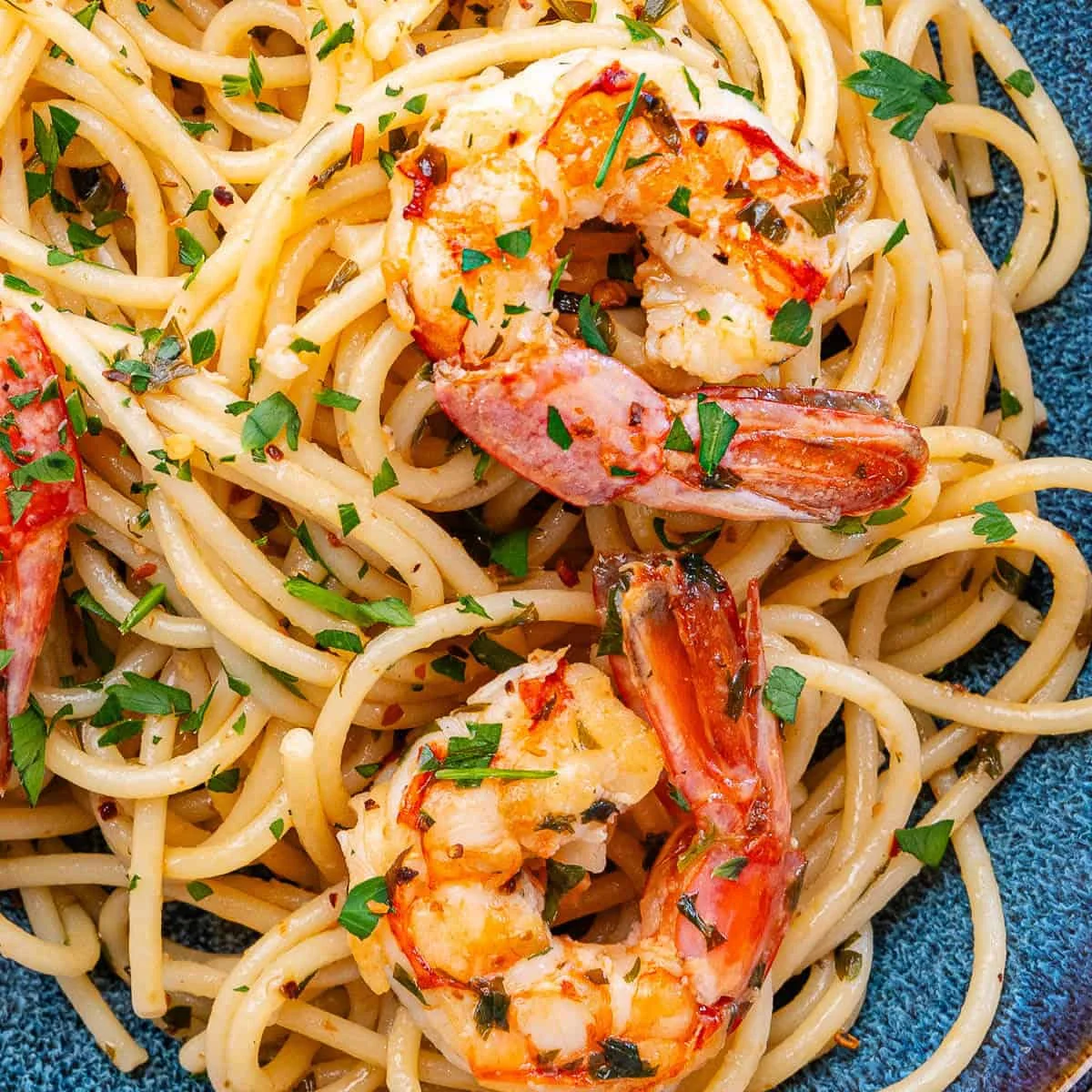
This quick American-style shrimp pasta combines spaghetti with garlicky olive oil, lemon, parsley and a gentle chilli kick. It comes together in about 20 minutes, with pasta water helping the sauce cling to every strand.
Ingredients
- 300 g (11 oz), about 14cleaned and deveined prawns
- 160 g (5.5 oz)spaghetti
- 3 largegarlic cloves
- 45–60 ml (3–4 tablespoons)extra-virgin olive oil
- ½ bunchfresh parsley
- 1 teaspoonred pepper flakes
- ½ largefresh lemon
- to tastesalt and black pepper
Instructions
- 1
Prepare ingredients
Check that the prawns are cleaned and deveined, pat them dry and season with salt. Finely chop two garlic cloves and the parsley leaves. Zest and juice half a large lemon, then set everything aside.
- 2
Infuse the oil
Heat 2 tablespoons of olive oil in a large frying pan over a medium-high heat with the remaining garlic clove left whole and a few parsley stems. Cook for a few minutes; once the garlic is lightly golden, remove it and the stems.
- 3
Cook prawns
Place the prawns in the pan one at a time and cook for about 2–3 minutes, until the sides have turned pink and opaque halfway up. While they cook, boil the spaghetti in a large pan of salted water until just al dente, so it can finish in the sauce.
- 4
Turn and set aside
Flip each prawn and cook the other side for just 1 minute. Transfer them to a plate; they will finish cooking when returned to the pasta.
- 5
Cook the aromatics
Turn the heat under the same frying pan to low. Add 1 tablespoon of olive oil, the chopped garlic, parsley and red pepper flakes, and cook for a few minutes without letting them burn. Add the extra tablespoon of oil now if needed.
- 6
Make the sauce
When the garlic is lightly golden, add the lemon zest and juice and a good splash of pasta cooking water. Let it sizzle and simmer for 1 minute.
- 7
Toss and serve
Add the cooked spaghetti and prawns to the pan and raise the heat to medium. Toss with the sauce for about 2 minutes, gradually adding pasta water as needed to make it glossy and silky. Serve with chopped parsley and, if you like, extra red pepper flakes.
What is shrimp pasta?
Shrimp pasta is a broad family of seafood-and-pasta dishes rather than one fixed recipe. This American-style version pairs spaghetti with prawns, olive oil, garlic, lemon and parsley for a bright, savoury sauce with a little heat.
The quick method works because the prawns cook in the pan before joining the pasta, while starchy cooking water brings the oil and lemon together into a light coating.
Nutrition and macros by portion
The nutrition label shows one serving as written: 632 calories, 42g protein, 65g carbs, 23g fat.
| Portion | Adjustment | kcal | Protein | Carbs | Fat |
|---|---|---|---|---|---|
| Lighter | Less oil, more greens | 442 kcal | 29g | 46g | 16g |
| This serving | As written | 632 kcal | 42g | 65g | 23g |
| Hungry | Larger pasta portion | 948 kcal | 63g | 98g | 35g |
The spaghetti supplies most of the carbohydrates, while olive oil contributes much of the fat. Prawns provide most of the protein. For a more balanced plate, serve the pasta with a generous side of green vegetables or salad.
Choose the key ingredients
Prawns: Use cleaned, deveined prawns and pat them dry before cooking so they sear rather than release excess water into the pan.
Olive oil: Extra-virgin olive oil carries the garlic and chilli flavours. The recipe uses 3–4 tablespoons in total, with the final amount depending on how much is needed for the aromatics.
Lemon and parsley: Zest adds fragrant citrus notes, while the juice brings acidity. Fresh parsley contributes a clean herbal flavour; keep some chopped leaves for serving.
Cook the prawns gently
Leave the first side undisturbed for about 2–3 minutes, until the pink colour has reached halfway up each prawn. Turn them and cook for only 1 minute on the second side before setting them aside.
They return to the pan with the pasta, so this short second cook helps prevent them becoming tough while the sauce finishes.
Build a glossy sauce
Low heat: Cook the chopped garlic, parsley and pepper flakes gently, stirring and watching closely so the garlic turns lightly golden without burning.
Pasta water: Add a good splash to the lemon and oil, then use more a little at a time as you toss. The sauce should look glossy and cling to the spaghetti rather than pool at the bottom.
Get the pasta texture right
Boil the spaghetti in salted water only until al dente, since it gets about 2 minutes more in the frying pan. Start checking towards the lower end of the pasta packet’s cooking time.
Keep the prawns and pasta moving as you add the cooking water gradually. Stop when the strands are coated and silky; too much water at once can make the sauce thin.
What to serve alongside
Serve the pasta straight from the pan, topped with chopped parsley and extra chilli flakes if desired. A simple green salad or steamed green vegetables make a fresh side without competing with the lemon and garlic.
If you want bread alongside, use it to mop up any sauce left on the plate.
Recipe notes & tips
- Pat the prawns dry before seasoning to help them cook evenly in the pan.
- Reserve pasta cooking water before draining the spaghetti.
- Keep the garlic whole for the first infusion, then remove it before cooking the chopped aromatics.
- Use the chilli flakes amount as a starting point and adjust to your preferred heat.
- Chop the parsley leaves finely and save some for the finished dish.
Variations
- More chilli: Increase the red pepper flakes for a livelier kick.
- Extra lemon: Add a little more lemon juice at the end for a sharper finish.
- Add vegetables: Toss in spinach near the end so it wilts into the sauce.
- Change the pasta: Use linguine or another long pasta in place of spaghetti.
- Herb swap: Add a little chopped basil alongside the parsley for a different herbal note.
Common mistakes to avoid
- Wet prawns: They may steam rather than cook neatly; pat them dry before they go into the pan.
- Burnt garlic: It can taste bitter; keep the heat low for the chopped garlic and stir it closely.
- Overcooked prawns: They can turn firm; follow the short cooking times and return them only for the final toss.
- Soft pasta: It continues cooking in the sauce; boil it only until al dente.
- Watery sauce: Adding too much pasta water at once can thin it; pour in small amounts while tossing.
How to store
Refrigerate leftovers in a sealed container for up to 2 days. Reheat gently in a frying pan with a small splash of water, just until warmed through; avoid prolonged heating, which can toughen the prawns.
Frequently asked questions
Can I use frozen prawns?
Yes. Thaw them fully first, drain well and pat dry before seasoning and cooking.
How do I know when the prawns are cooked?
They should be pink and opaque, with no translucent areas. The recipe gives them a short second cook and a final toss with the pasta.
Do I need to save pasta water?
Yes. Its starch helps the olive oil and lemon form a glossy sauce that coats the spaghetti.
Can I make this less spicy?
Use fewer red pepper flakes or leave them out. You can also serve extra flakes separately.
Can I make the dish ahead?
It is best cooked just before serving because prawns can become firm when reheated. You can chop the garlic and parsley and zest and juice the lemon in advance.
Cook it from the original
This recipe comes from cookingwithayeh.com. Their page has the author’s own photos, notes and tips — the best place to cook it from.
Open the recipe on cookingwithayeh.com