
The Ultimate Rich and Flavorful Bolognese Sauce
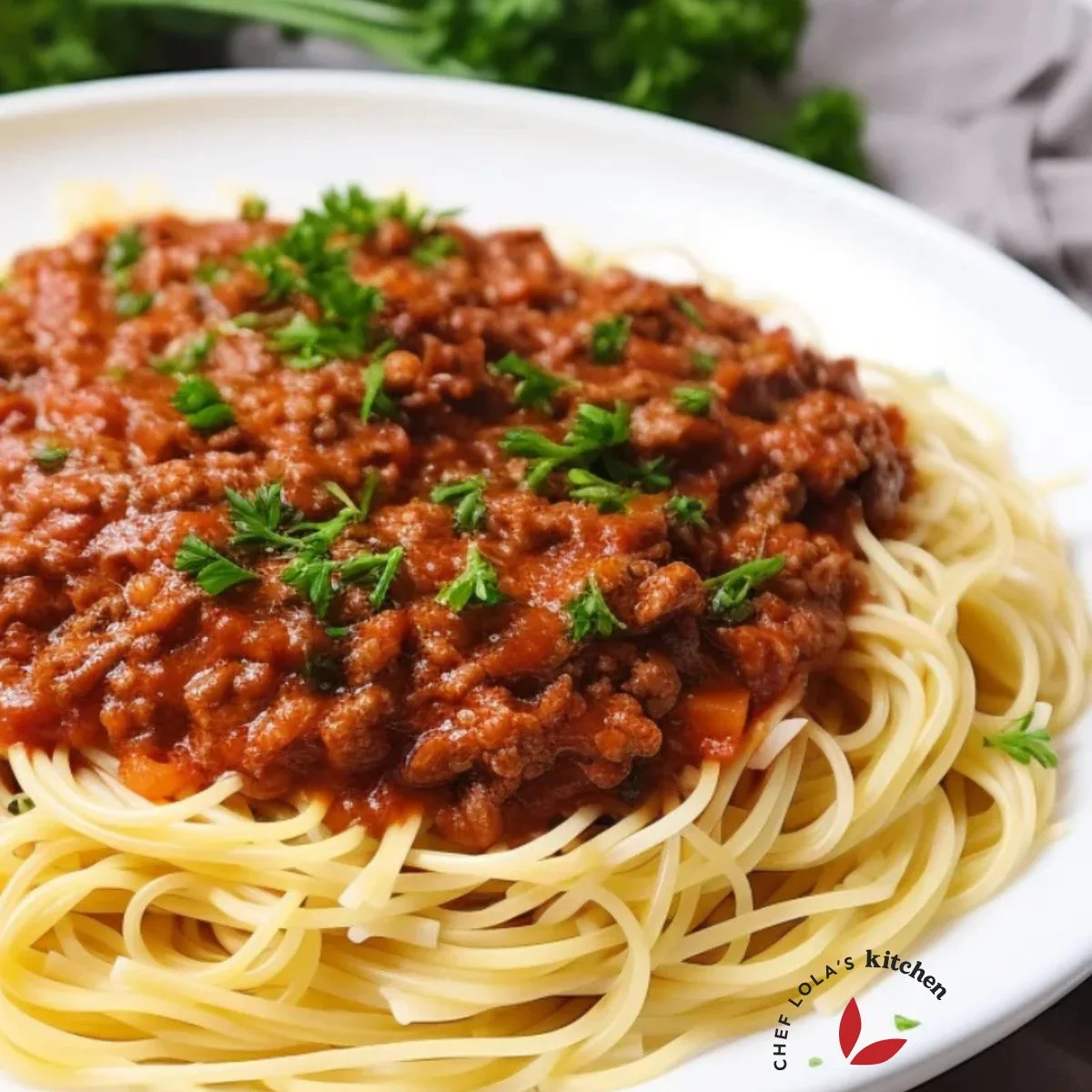
This slow-simmered Bolognese combines beef and pork with softened vegetables, tomatoes, wine and herbs for a hearty pasta sauce. Give it time to thicken gently, then finish with Parmesan and parsley.
Ingredients
- 30 ml (2 tablespoons)olive oil
- 1 largeyellow onion, finely chopped
- 2 mediumcarrots, finely chopped
- 2celery stalks, finely chopped
- 4garlic cloves, minced
- 454 g (1 pound)ground beef (85% lean)
- 454 g (1 pound)ground pork
- 1½ teaspoonssalt
- 1 teaspoonfreshly ground black pepper
- 240 ml (1 cup)whole milk
- 240 ml (1 cup)dry white wine
- 794 g (28 ounces)crushed tomatoes
- 411 g (14.5 ounces)diced tomatoes
- 30 ml (2 tablespoons)tomato paste
- 2bay leaves
- 1 teaspoondried oregano
- 50 g (½ cup)grated Parmesan cheese
- to tastechopped fresh parsley, for garnish
Instructions
- 1
Soften the vegetables
Warm the olive oil in a large, heavy-based pot or Dutch oven over medium heat. Add the onion, carrots and celery, and cook for 8–10 minutes, stirring now and then, until softened and lightly golden.
- 2
Cook the garlic
Stir in the minced garlic and cook for 1–2 minutes, until fragrant.
- 3
Brown the meat
Add the beef and pork, breaking them up with a wooden spoon. Season with the salt and pepper, then cook for 10–12 minutes, stirring occasionally, until browned and cooked through.
- 4
Simmer with milk
Pour in the milk and simmer for 5 minutes, stirring occasionally, until it has mostly evaporated.
- 5
Add the wine
Pour in the wine and simmer for another 5 minutes so it can reduce and the flavours can mingle. The ingredient list specifies dry white wine, although the method refers to red wine.
- 6
Add the tomatoes
Stir in the crushed tomatoes, diced tomatoes, tomato paste, bay leaves and oregano. Bring the sauce to the boil, then reduce the heat to a gentle simmer. Cover the pot, leaving a small gap for steam to escape.
- 7
Simmer the sauce
Cook over low heat for 2–3 hours, stirring occasionally, until thickened and flavourful. If it becomes too thick, add a little water or chicken broth to loosen it.
- 8
Finish the sauce
Remove the bay leaves and stir in the grated Parmesan. Taste and add more salt or pepper if needed.
- 9
Serve with pasta
Spoon the sauce over cooked pasta, such as spaghetti or pappardelle, and garnish with chopped fresh parsley.
What is Bolognese sauce?
Bolognese is a slow-cooked meat sauce associated with Bologna in northern Italy, traditionally served with pasta. This version builds a substantial sauce from beef and pork, vegetables, tomatoes, milk and wine.
A gentle, extended simmer gives the ingredients time to meld and the sauce time to thicken. Parmesan stirred in at the end adds a savoury finish.
Nutrition and macros by portion
The nutrition label shows one serving as written: 833 calories, 46g protein, 16g carbs, 60g fat.
| Portion | Adjustment | kcal | Protein | Carbs | Fat |
|---|---|---|---|---|---|
| Lighter | Serve with less pasta | 583 kcal | 32g | 11g | 42g |
| This serving | As written | 833 kcal | 46g | 16g | 60g |
| Hungry | Add a larger pasta portion | 1250 kcal | 69g | 24g | 90g |
The beef and pork provide most of the protein and fat, while the vegetables and tomatoes contribute much of the carbohydrate. Milk, olive oil and Parmesan also add fat. Serve with pasta and a green salad or extra vegetables to round out the plate.
Build the flavour base
Vegetables: finely chopped onion, carrots and celery soften in olive oil before the meat goes in. Keep the heat moderate and give them the full 8–10 minutes to become tender and lightly golden.
Garlic: add it after the vegetables, rather than at the start, and cook just until fragrant. This helps it flavour the oil without scorching during the longer cooking.
Brown the meat well
Beef and pork: break the meat into small pieces as it cooks so it mixes evenly through the sauce. Let it brown over 10–12 minutes rather than rushing straight to the liquid ingredients.
Seasoning: the salt and pepper go in with the meat, while the final taste check happens after simmering. The Parmesan also brings savoury seasoning, so taste before adding more salt.
Let the liquid reduce
Milk: simmer it with the browned meat for 5 minutes, until mostly evaporated. Then add the wine and give it another 5 minutes to reduce before adding the tomatoes.
Wine note: the ingredient list calls for dry white wine, but the method says red wine. Choose one and use it consistently; this page follows the listed ingredient, dry white wine.
Keep the simmer gentle
Heat: once the tomato mixture reaches a boil, lower it to a gentle simmer and leave a small gap in the lid. A low, steady heat is the key to the recipe's 2–3-hour cooking time.
Texture: stir occasionally and check how thick the sauce is as it cooks. If it gets thicker than you want before the flavours have developed, loosen it with a little water or chicken broth.
Finish and serve
Final touches: remove the bay leaves before serving, then stir in the Parmesan and taste for seasoning. Add the parsley as a fresh garnish at the end.
Pasta: serve over cooked spaghetti or pappardelle, as suggested in the method. A simple green salad alongside can bring a fresh contrast to the rich sauce.
Recipe notes & tips
- Chop the onion, carrots and celery finely so they soften evenly and blend into the sauce.
- Use a heavy-based pot to help keep the sauce at a steady, gentle simmer.
- Stir from the bottom of the pot occasionally, especially as the sauce thickens.
- Keep a little water or chicken broth nearby in case the sauce needs loosening.
- Remove both bay leaves before serving.
- Check the seasoning after stirring in the Parmesan.
Variations
- Choose red wine: use red wine instead of the listed white wine, following the method's wording.
- Use white wine: stick with the dry white wine specified in the ingredients for a lighter wine flavour.
- Add fresh herbs: finish with chopped fresh basil alongside the parsley.
- Change the pasta: serve the sauce with another cooked pasta shape that holds a thick sauce.
- Make it smoother: break the meat into smaller pieces as it browns for a more even texture.
Common mistakes to avoid
- Rushing the vegetables: cook them for the full 8–10 minutes so they soften and turn lightly golden.
- Burning the garlic: add it after the vegetables and cook only for 1–2 minutes.
- Skipping the browning: give the meat 10–12 minutes to brown and cook through before adding liquids.
- Boiling hard: reduce the heat after bringing the tomato mixture to the boil, then maintain a gentle simmer.
- Letting the sauce get too thick: stir occasionally and add a little water or chicken broth if needed.
- Forgetting the bay leaves: remove them before stirring in the Parmesan and serving.
How to store
Cool leftovers promptly and store in an airtight container in the fridge for up to 3 days. Reheat gently in a saucepan, stirring and adding a splash of water if the sauce has thickened; cooked pasta is best stored separately.
Frequently asked questions
Which wine should I use?
The ingredient list specifies dry white wine, while the method refers to red wine. Either can be used; for this version, follow the ingredient list and use dry white wine.
Can I make the sauce ahead?
Yes. Cook it as directed, cool it promptly and refrigerate it in an airtight container. Reheat gently before serving.
How do I know when the sauce is ready?
After 2–3 hours of gentle simmering, it should be thickened and the flavours should have deepened. Add a little water or chicken broth if it has become too thick.
Can I freeze Bolognese sauce?
Yes. Freeze the cooled sauce in a suitable airtight container, leaving a little room for expansion. Thaw it in the fridge and reheat thoroughly in a saucepan.
What pasta goes well with this sauce?
The method suggests spaghetti or pappardelle. Choose cooked pasta that you enjoy serving with a thick meat sauce.
Cook it from the original
This recipe comes from cheflolaskitchen.com. Their page has the author’s own photos, notes and tips — the best place to cook it from.
Open the recipe on cheflolaskitchen.com