
Pearl Barley
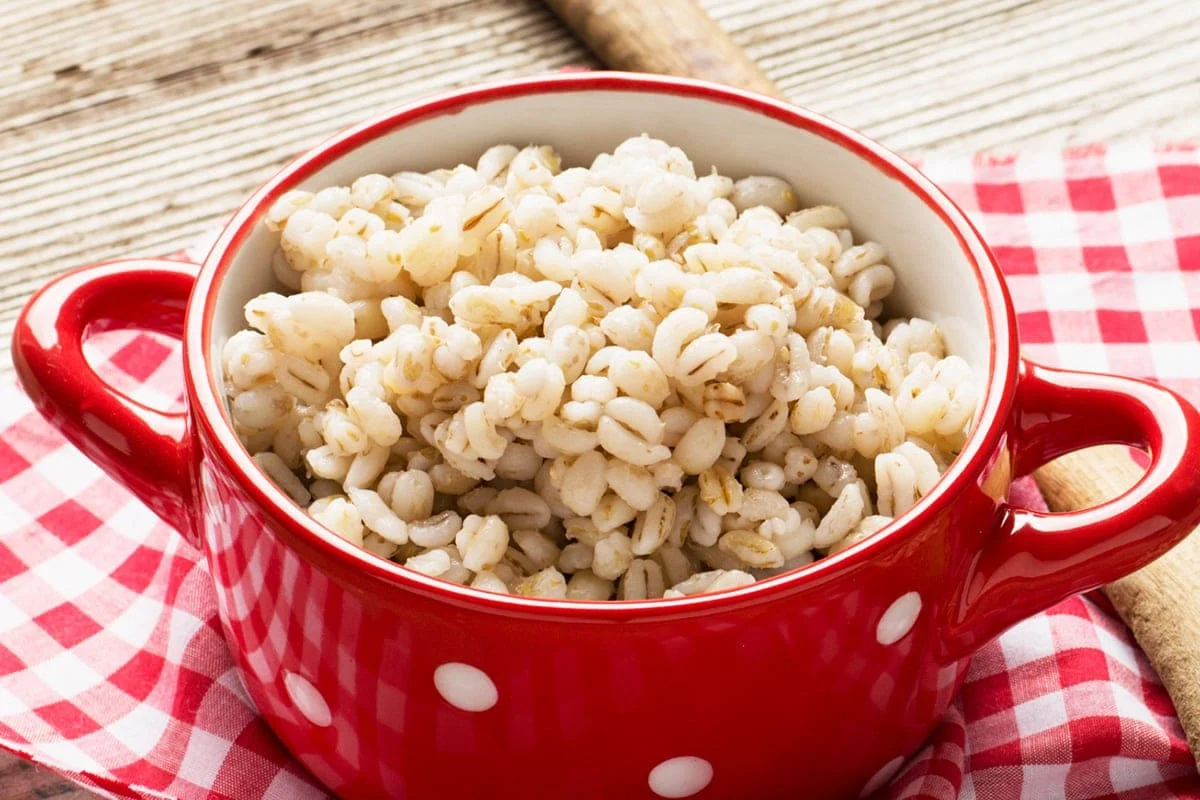
Pearl barley is simmered on the hob until tender, making a simple, gently chewy grain to serve as a side or add to other dishes. This straightforward method uses a three-to-one water-to-barley ratio and needs little hands-on time.
Ingredients
- 200 g (1 cup)uncooked pearl barley
- 720 ml (3 cups)water
- 2.5 ml (½ teaspoon)salt
Instructions
- 1
Rinse the barley
Rinse the pearl barley in a fine-mesh sieve under cold water. Pick through it and remove any discoloured pieces.
- 2
Measure the barley
Use 200 g (1 cup) of pearl barley with 720 ml (3 cups) of water.
- 3
Boil the water
Bring the water to a boil in a saucepan.
- 4
Add the barley
Stir the rinsed pearl barley into the boiling water.
- 5
Simmer until tender
Reduce the heat, cover the pan and simmer for 25–30 minutes, until the barley is tender and most of the liquid has been absorbed.
- 6
Drain if needed
If liquid remains once the barley is cooked, drain it through a sieve.
- 7
Fluff to serve
Fluff the grains with a fork before serving or using them in another recipe.
What is pearl barley?
Pearl barley is barley that has had its outer husk and bran polished away. It is a familiar grain in soups, stews and side dishes, with a tender, pleasantly chewy texture.
This version keeps the method simple: rinse the grains, simmer them in water and fluff them before serving. The measured water ratio makes it easy to prepare without special equipment.
Nutrition and macros by portion
The nutrition label shows one serving as written: 235 calories, 7g protein, 52g carbs, 1g fat.
| Portion | Adjustment | kcal | Protein | Carbs | Fat |
|---|---|---|---|---|---|
| Lighter | Smaller barley serving | 165 kcal | 5g | 36g | 1g |
| This serving | As written | 235 kcal | 7g | 52g | 1g |
| Hungry | Larger barley serving | 353 kcal | 11g | 78g | 2g |
The barley provides most of the carbohydrates and some of the protein in each serving, while the recipe contains very little fat. Serve it alongside vegetables and a protein-rich food such as beans, eggs or fish for a more balanced plate.
The barley and water ratio
Barley: Pearl barley cooks more quickly than whole, unpearled barley because its outer layers have been removed. Check the packet if it gives a different cooking time.
Water: The recipe uses 720 ml for 200 g of barley. The grains absorb much of it as they cook, while any remainder can be drained.
Rinsing before cooking
A quick rinse in a fine-mesh sieve removes dust from the grains. Pick out any pieces that look discoloured before they go into the pan.
Getting the simmer right
Heat the water until it boils, then lower the heat before covering the pan. A gentle simmer cooks the barley steadily without rapidly boiling away the water.
Keep the lid on while it cooks for 25–30 minutes. If you are unsure, check near the end of that range rather than leaving it unattended for longer.
Checking texture and doneness
Tender grains: Taste a few grains near the end of cooking. They should be tender but retain a little chew, rather than turning mushy.
Remaining liquid: Most of the water should have been absorbed, but a small amount can be drained off once the barley is cooked.
Serving pearl barley
Fluff the cooked grains with a fork to separate them before serving. They work as a simple side or can be stirred into a soup, stew or salad.
Recipe notes & tips
- Use a fine-mesh sieve so the small grains do not escape while rinsing.
- Keep the pan covered during the simmer to limit evaporation.
- Taste the barley after 25 minutes to check its texture.
- Drain any remaining water only after the grains are tender.
- Fluff just before serving to loosen the grains.
Variations
- Use stock: Replace the water with stock for a more savoury base.
- Add herbs: Simmer with a bay leaf or a few sprigs of thyme, then remove them before serving.
- Season at the end: Add black pepper or chopped fresh herbs after cooking.
- Make it a salad: Cool the cooked barley and toss it with vegetables and dressing.
- Add to soup: Stir cooked grains into soup shortly before serving.
Common mistakes to avoid
- Skipping the rinse: Rinse the grains in a fine-mesh sieve to remove dust.
- Boiling too vigorously: Lower the heat after the water boils so the grains simmer gently.
- Lifting the lid repeatedly: Keep the pan covered and check the texture towards the end of cooking.
- Cooking by the clock alone: Taste a few grains after 25 minutes and continue until tender if needed.
- Leaving excess water in the pan: Drain the barley once cooked if liquid remains.
How to store
Refrigerate cooled barley in an airtight container for up to 3 days. Reheat until steaming hot, adding a splash of water if it seems dry.
Frequently asked questions
How long does pearl barley take to cook?
This method simmers it for 25–30 minutes, with a total preparation and cooking time of about 35 minutes. Check the grains for tenderness near the end.
Do I need to soak pearl barley first?
No soaking is included in this recipe. Rinse the grains and cook them directly in the boiling water.
How do I know when the barley is done?
Taste a few grains: they should be tender with a slight chew. Most of the water should have been absorbed by then.
What should I do if there is water left?
Drain the cooked barley through a sieve if excess liquid remains.
Can I cook pearl barley in advance?
Yes. Cool it and refrigerate it in an airtight container for up to 3 days, then reheat it until steaming hot.
Cook it from the original
This recipe comes from cookedandloved.com. Their page has the author’s own photos, notes and tips — the best place to cook it from.
Open the recipe on cookedandloved.com