
Basic Pie Crust
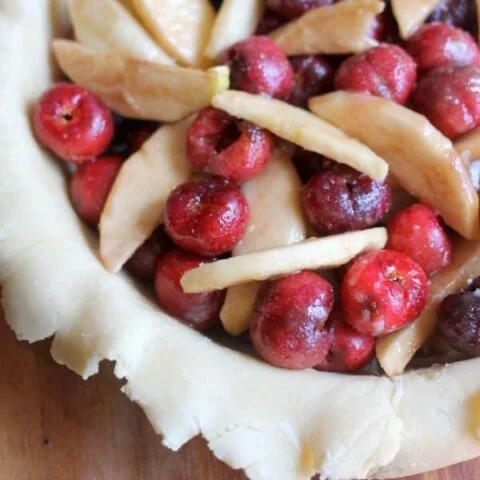
This simple, flaky pie crust uses flour, shortening, salt and ice water to make enough dough for a double-crust pie. It comes together quickly and can be chilled or frozen until you are ready to roll it out.
Ingredients
- 375 g (3 cups)plain flour
- a large pinch or twokosher salt
- 205 g (1 cup)shortening
- as neededice water
Instructions
- 1
Mix flour and salt
Put the flour in a large bowl, add a large pinch or two of salt and stir to combine.
- 2
Cut in shortening
Add the shortening and work it into the flour with a pastry cutter or fork until the mixture resembles coarse meal.
- 3
Add ice water
Stir in ice water a couple of tablespoons at a time, just until the dough can be gathered into a ball.
- 4
Chill the dough
Wrap the dough tightly and refrigerate it for up to 3 days or freeze it for up to 3 months.
What is basic pie crust?
Pie crust is a simple pastry made by combining flour and fat with just enough water to bring the dough together. This straightforward version uses shortening for a tender, flaky result and makes enough for both the base and lid of a double-crust pie.
The method is deliberately uncomplicated: keep the water cold, work the fat in until the flour looks coarse, and stop mixing once the dough holds together.
Nutrition and macros by portion
The nutrition label shows one serving as written: 1605 calories, 11g protein, 140g carbs, 110g fat.
| Portion | Adjustment | kcal | Protein | Carbs | Fat |
|---|---|---|---|---|---|
| Lighter | Use less crust | 1124 kcal | 8g | 98g | 77g |
| This serving | As written | 1605 kcal | 11g | 140g | 110g |
| Hungry | Larger pie slice | 2408 kcal | 17g | 210g | 165g |
The flour provides most of the carbohydrates, while the shortening supplies most of the fat; there is little protein in the dough. Since the recipe makes two crusts, pair a slice of pie made with it with vegetables or salad for a more balanced plate.
Choosing the ingredients
Shortening: its firm texture is easy to cut into the flour and helps create a crumbly pastry. Use it cold for a dough that is easier to handle.
Ice water: add it gradually rather than pouring it all in. The amount needed can vary, so stop as soon as the dough forms a ball.
Getting the texture right
Coarse meal: after cutting in the shortening, the mixture should look rough and granular, not like a smooth paste. Leaving small pieces of fat in the flour helps keep the dough tender.
Forming the dough: stir gently and avoid kneading. Too much handling can make the crust tougher.
Chilling and planning ahead
Wrap: seal the dough tightly so it does not dry out or pick up other smells in the fridge. Refrigerate it for up to 3 days.
Freeze: the wrapped dough keeps for up to 3 months in the freezer. Thaw it in the refrigerator before rolling.
Rolling and using the crust
Once chilled, roll the dough on a lightly floured surface to the size needed for your pie tin. Handle it gently and use a little flour to prevent sticking.
This recipe does not specify a baking temperature or time, as those depend on the pie filling and whether the crust is baked on its own or with a filling.
What to serve it with
Use the dough for a sweet fruit pie or a savoury pie with vegetables, meat or cheese. For a double-crust pie, use one portion for the base and the other for the top.
With a savoury pie, serve a slice with a crisp green salad or cooked vegetables. A fruit pie pairs well with custard or cream.
Recipe notes & tips
- Keep the shortening cold until you are ready to cut it into the flour.
- Add ice water a couple of tablespoons at a time so the dough does not become too wet.
- Use a pastry cutter or fork to work the shortening in without warming it too much with your hands.
- Stop mixing as soon as the dough holds together in a ball.
- Wrap the dough tightly before chilling or freezing it.
Variations
- Wholemeal flour: replace some of the plain flour with wholemeal flour for a nuttier crust.
- Herb crust: mix finely chopped herbs into the flour for a savoury pie.
- Black pepper: add a little freshly ground pepper for a savoury filling.
- Sweet crust: add a small amount of sugar to the flour for a dessert pie.
- Single crust: halve all the ingredients to make dough for one crust.
Common mistakes to avoid
- Adding water all at once: the dough can turn sticky; stir it in a couple of tablespoons at a time.
- Overworking the dough: it can become tough; mix only until it forms a ball.
- Warming the shortening: the pastry may be harder to handle; start with cold shortening and work briskly.
- Adding too much flour while rolling: the crust can become dry; dust the surface lightly.
- Leaving the dough uncovered: it can dry out in the fridge; wrap it tightly.
How to store
Wrap the dough tightly and refrigerate it for up to 3 days, or freeze it for up to 3 months. Thaw frozen dough in the refrigerator before rolling it out.
Frequently asked questions
How much water should I use?
The recipe does not give a fixed amount. Add ice water a couple of tablespoons at a time until the dough can be gathered into a ball.
Can I make this dough ahead?
Yes. Wrap it tightly and keep it in the refrigerator for up to 3 days.
Can I freeze the dough?
Yes, it can be frozen for up to 3 months. Thaw it in the refrigerator before rolling.
How do I make a single crust?
Halve each ingredient to reduce the recipe from a double crust to a single crust.
Why is my dough sticky?
It may have too much water. Add water gradually and stop as soon as the dough holds together; if it is already sticky, chill it before rolling and dust the surface lightly with flour.
Cook it from the original
This recipe comes from bakerbettie.com. Their page has the author’s own photos, notes and tips — the best place to cook it from.
Open the recipe on bakerbettie.com