
Pan de muerto: an easy vegan recipe
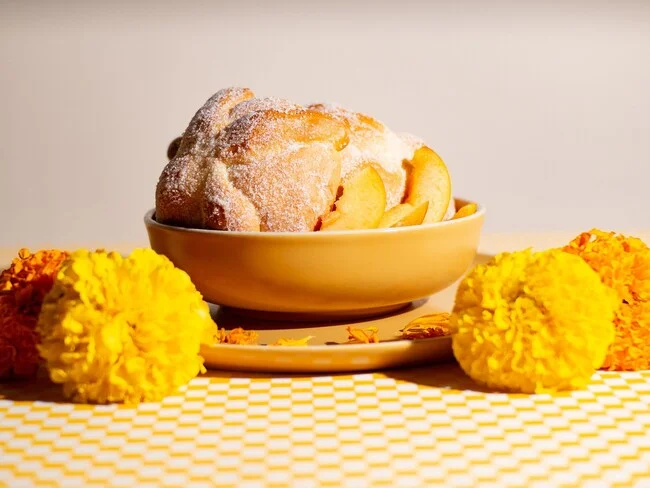
Pan de muerto is a soft, lightly sweet bread traditionally made for Mexico’s Day of the Dead celebrations. This vegan version uses almond milk and neutral oil, with orange zest for a fragrant finish.
Ingredients
- 480 mlalmond milk
- 120 mlneutral-flavoured oil
- 13.5 gfast-action yeast
- 150 g, plus extra for sprinklingsugar
- 540 g, plus extra for kneadingplain flour
- 2.5 gsalt
- 6 gfinely grated orange zest
Instructions
- 1
Preheat the oven
Heat the oven to 176°C.
- 2
Warm the liquids
Warm the almond milk and oil to 35°C, until just lukewarm.
- 3
Make a well
Put the flour in the bowl of a stand mixer and make a well in the centre.
- 4
Mix the dough
Sprinkle the sugar and yeast into the well. Add the warm almond milk and oil, then mix on a low speed with the dough hook.
- 5
Add remaining ingredients
Add the remaining ingredients and mix well. Transfer the dough to a very well-greased bowl.
- 6
Let it rise
Cover the bowl and leave the dough to rise for 1 hour. It will rise considerably and remain a little sticky; this is normal.
- 7
Shape the loaf
Line a baking tray with a silicone mat or baking paper. Put the dough on the tray and set aside three small pieces; shape the rest into a ball. The dough is sticky, so flour your hands to make it easier to handle.
- 8
Add the decorations
Shape one small piece into a ball and roll the other two into short logs. Lay the logs in an X over the large dough ball, then place the small ball on top.
- 9
Bake the bread
Bake for 30 minutes.
- 10
Brush and sprinkle
When the bread is ready, take it out of the oven. While it is still hot, brush it with a little oil or melted vegan butter and sprinkle with white sugar.
What is pan de muerto?
Pan de muerto is a Mexican sweet bread associated with Día de Muertos, when families honour and remember loved ones. Its rounded shape and crossed strips of dough are commonly understood as symbolic decorations.
This version keeps the characteristic shape and citrus aroma while using almond milk and oil instead of dairy. The result is a soft, gently sweet loaf with a sugared finish.
Nutrition and macros by portion
The nutrition label shows one serving as written: 450 calories, 7g protein, 70g carbs, 15g fat.
| Portion | Adjustment | kcal | Protein | Carbs | Fat |
|---|---|---|---|---|---|
| Lighter | Smaller, thinner slice | 315 kcal | 5g | 49g | 11g |
| This serving | As written | 450 kcal | 7g | 70g | 15g |
| Hungry | Larger slice | 675 kcal | 11g | 105g | 23g |
Most of the carbohydrates come from the flour and sugar, while the oil supplies most of the fat; the flour contributes some protein. Balance a slice with fruit and a protein-rich accompaniment such as yoghurt or a suitable plant-based alternative.
The ingredients that shape the dough
Warm liquids: Almond milk and oil should be lukewarm, not hot, before they meet the yeast. The recipe specifies 35°C, which helps keep the mixture from feeling hot to the touch.
Orange zest: Finely grated zest adds fragrance throughout the dough. Avoid grating deeply into the white pith, which can taste bitter.
Flour and yeast: Plain flour gives the loaf its structure, while fast-action yeast helps it rise. The dough is expected to be sticky, so resist adding lots of extra flour.
Handling sticky dough
Lightly flour your hands when shaping the loaf rather than working extra flour into the dough. Too much added flour can make the finished bread dense.
Use a well-greased bowl for the rise, as directed, and a lined tray for shaping. The dough may feel soft and tacky; that is part of the method, not a sign that it has gone wrong.
Making the traditional shape
Main ball: Shape most of the dough into one rounded loaf on the prepared tray. Keep it in place while you form the decorations.
Crossed pieces: Roll two small portions into short logs and lay them across the loaf in an X. Finish with the last piece as a small ball at the top.
Checking the bake
The recipe gives a baking time of 30 minutes at 176°C. Ovens can vary, so use the stated time as your guide and check that the loaf looks baked before removing it.
Brush on the oil or melted vegan butter while the bread is still hot so the sugar can cling to the surface. Sprinkle with white sugar just after brushing.
When to serve it
Serve pan de muerto once it has cooled enough to slice, with coffee, tea or hot chocolate. Its orange aroma and sweet topping also make it a natural choice for a Day of the Dead gathering.
For a more filling spread, pair a slice with fruit or a savoury dish. The bread is already sweet, so simple accompaniments work well.
Recipe notes & tips
- Measure the flour carefully and add only a little extra for handling.
- Keep the almond milk and oil at the specified 35°C before mixing.
- Grease the rising bowl well so the sticky dough is easier to transfer.
- Flour your hands lightly when dividing and shaping the dough.
- Brush and sugar the loaf while it is still hot, as the recipe directs.
Variations
- Citrus swap: Use finely grated lemon zest instead of orange for a different aromatic note.
- Spiced dough: Add a little ground cinnamon to the dry ingredients for a warmly spiced loaf.
- Sugar finish: Use coarse sugar on top for a more textured coating.
- Seeded decoration: Sprinkle the top with sesame seeds instead of white sugar for a less sweet finish.
- Smaller loaves: Divide the dough into smaller portions and shape each one with its own crossed strips.
Common mistakes to avoid
- Overheating the liquids: Hot liquid can harm the yeast; warm the almond milk and oil only to 35°C.
- Adding too much flour: The dough is meant to be sticky; flour your hands rather than stiffening the dough.
- Skipping the greased bowl: The dough may cling when you move it; grease the bowl thoroughly before the rise.
- Making the logs too thick: Large decorations can weigh on the loaf; shape the two pieces into short, even logs.
- Waiting to add the topping: Sugar may not cling as well once the bread cools; brush and sprinkle it while hot.
How to store
Once completely cool, store the bread in an airtight container at room temperature and eat within 2–3 days. Warm individual slices briefly in the oven or microwave; the sugared surface may soften during storage.
Frequently asked questions
Why is the dough sticky?
The method says the dough will be a little sticky after its rise. Flour your hands for shaping and avoid adding a large amount of extra flour.
Can I use a different plant milk?
Almond milk is specified in this recipe. Another unsweetened plant milk may work, though it can change the flavour slightly.
How warm should the milk and oil be?
Warm them to 35°C, as specified. The mixture should be lukewarm rather than hot.
How do I know when the loaf is ready?
Bake it for the stated 30 minutes at 176°C and check that it looks baked before taking it out. Ovens may vary, so keep an eye on it near the end.
Can I make the dough ahead?
The method calls for a 1-hour rise, but does not give instructions for preparing the dough in advance. For best results, follow the rise and bake timings as written.
Is this recipe vegan?
The dough uses almond milk and oil. For the finish, choose oil or a vegan butter, as the recipe suggests.
Cook it from the original
This recipe comes from directoalpaladar.com.mx. Their page has the author’s own photos, notes and tips — the best place to cook it from.
Open the recipe on directoalpaladar.com.mx