
Homemade Paneer Cheese
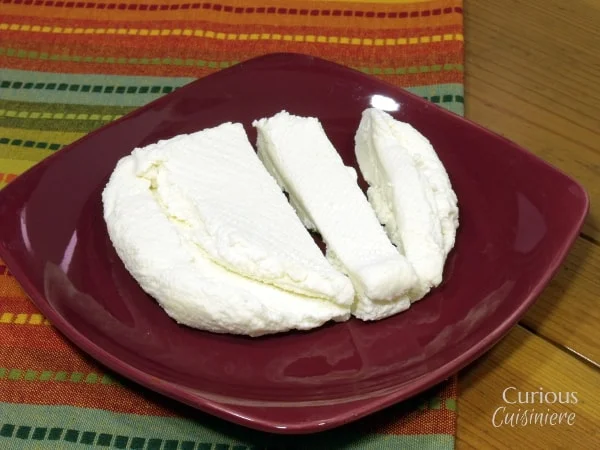
Paneer is a mild Indian fresh cheese made by separating milk into curds and whey, then draining and pressing the curds. This simple homemade version needs just milk, lemon juice and salt, and is useful for curries, grilling or crumbling into dishes.
Ingredients
- 1.89 litres (½ gallon)whole milk (not UHT-treated)
- 1 large, juiced (about 60 ml; ¼ cup)lemon
- 1.25 ml (¼ tsp)salt
Instructions
- 1
Heat the milk
Pour the milk into a large saucepan and warm over a medium heat, stirring now and then so it does not catch on the base. Heat until just before it simmers, around 93–99°C (200–210°F).
- 2
Add lemon juice
Take the pan off the heat and stir in the lemon juice. Cover and leave for 10–15 minutes, until curds and whey begin to separate. If they do not separate, stir in another 15–30 ml (1–2 tablespoons) lemon juice and leave for a further 10–20 minutes; if there is still no separation, the milk may be UHT-treated.
- 3
Strain the curds
Line a strainer with cheesecloth and set it over a bowl. Pour in the milk mixture, allowing the whey to drain into the bowl.
- 4
Salt and squeeze
Once the curds are gathered in the cloth, mix in the salt if using. Bring the cloth together and squeeze out as much liquid as you can. The cheese can be used now for a loose, grated texture; continue pressing to make a firm block.
- 5
Press the paneer
Turn a small bread plate upside down on a larger dinner plate and set the wrapped cheese on it. Place another plate on top, add a 450–900 g (1–2 lb) weight, and refrigerate for at least 1 hour.
- 6
Unwrap and serve
When pressed, remove the paneer from the cheesecloth. Use it straight away or refrigerate it for 2–3 days.
What is paneer?
Paneer is a fresh, mild cheese widely used in Indian cooking. Lemon juice separates the milk into curds and whey, and pressing the curds gives the cheese its sliceable shape.
This version relies on a short ingredient list and a gentle process. The result is a fresh block that can be cubed, crumbled or grated.
Nutrition and macros by portion
The nutrition label shows one serving as written: 160 calories, 10g protein, 2g carbs, 12g fat.
| Portion | Adjustment | kcal | Protein | Carbs | Fat |
|---|---|---|---|---|---|
| Lighter | Smaller paneer portion | 112 kcal | 7g | 1g | 8g |
| This serving | As written | 160 kcal | 10g | 2g | 12g |
| Hungry | Larger paneer portion | 240 kcal | 15g | 3g | 18g |
Most of the energy and fat come from the whole milk, which also provides the paneer’s protein; the lemon juice contributes very little. Serve a portion with vegetables and a grain such as rice or flatbread for a more rounded plate.
Choose the right milk
Milk: use whole, non-UHT milk for the best chance of a clean separation. UHT processing can make milk reluctant to form curds, even when lemon juice is added.
Lemon: freshly squeezed juice provides the acid that separates the curds from the whey. Strain out any pips before adding it.
Watch the curds form
Heat: stir occasionally as the milk warms, particularly across the base of the saucepan. Stop just before it simmers rather than letting it boil hard.
Separation: after adding the lemon juice, look for distinct curds and a more watery whey. If that has not happened after resting, the method allows for a little more juice and extra standing time.
Drain and press
Straining: line the strainer well so the curds stay in the cloth while the whey drains into the bowl. Give the curds time to collect before squeezing.
Texture: squeeze out liquid for a looser paneer, or press the wrapped curds beneath a weight for a firmer block. The longer pressing option takes at least 1 hour in the fridge.
Ways to use fresh paneer
Cubes: cut the pressed cheese into pieces for curries or to cook alongside vegetables. Add it towards the end of cooking so it has time to warm through.
Crumbles: use less-pressed curds as a soft topping or filling. Paneer also pairs well with flatbreads, rice and spiced vegetables.
Make the most of the whey
Whey: the recipe yields about 6 cups as well as the paneer. It can be saved for another cooking use rather than discarded.
Storage: keep the finished cheese covered in the fridge and use it within 2–3 days. Handle it gently when cutting, as fresh paneer is more delicate than aged cheese.
Recipe notes & tips
- Use a large saucepan so the milk has room to heat evenly.
- Stir now and then while heating to help stop the milk catching on the base.
- Keep the whey bowl in place before pouring so it is ready to catch the liquid.
- Squeeze the curds carefully while they are still wrapped in the cloth.
- Use a stable weight that sits securely on the plate during pressing.
Variations
- Skip the salt: leave it out when you want a more neutral-tasting cheese.
- Use lime juice: substitute freshly squeezed lime juice for the lemon juice.
- Add herbs: mix finely chopped herbs into the curds along with the salt.
- Make loose paneer: stop after draining and squeezing for a soft, crumbly texture.
- Press longer: use the firm block in recipes that call for neat cubes.
Common mistakes to avoid
- Using UHT milk: it may not curdle reliably; choose non-UHT whole milk.
- Heating too quickly: the milk can catch on the pan; use a medium heat and stir occasionally.
- Expecting instant separation: cover and leave the milk for 10–15 minutes after adding lemon juice.
- Letting curds escape: line the strainer with cheesecloth before pouring in the mixture.
- Skipping the weight: without pressing, the paneer will stay loose rather than form a firm block.
How to store
Refrigerate the paneer in a covered container and use it within 2–3 days. The recipe gives the option to use it immediately, and does not specify a reheating method.
Frequently asked questions
Why did my milk not curdle?
UHT-treated milk may not separate as expected. If the milk is non-UHT, the method suggests adding another 15–30 ml (1–2 tablespoons) lemon juice and leaving it for a further 10–20 minutes.
Can I use the paneer before pressing?
Yes. Once the curds are drained and squeezed, they can be used for a loose, grated texture. Pressing is needed to make a firmer block.
How long should I press paneer?
Refrigerate it under a weight for at least 1 hour. The recipe does not give a maximum pressing time.
What can I do with the whey?
The recipe collects about 6 cups of whey. Save it for another cooking use if you do not want to discard it.
How long does homemade paneer keep?
Refrigerate it and use it within 2–3 days.
Cook it from the original
This recipe comes from curiouscuisiniere.com. Their page has the author’s own photos, notes and tips — the best place to cook it from.
Open the recipe on curiouscuisiniere.com