
Best Bolognese Sauce Recipe
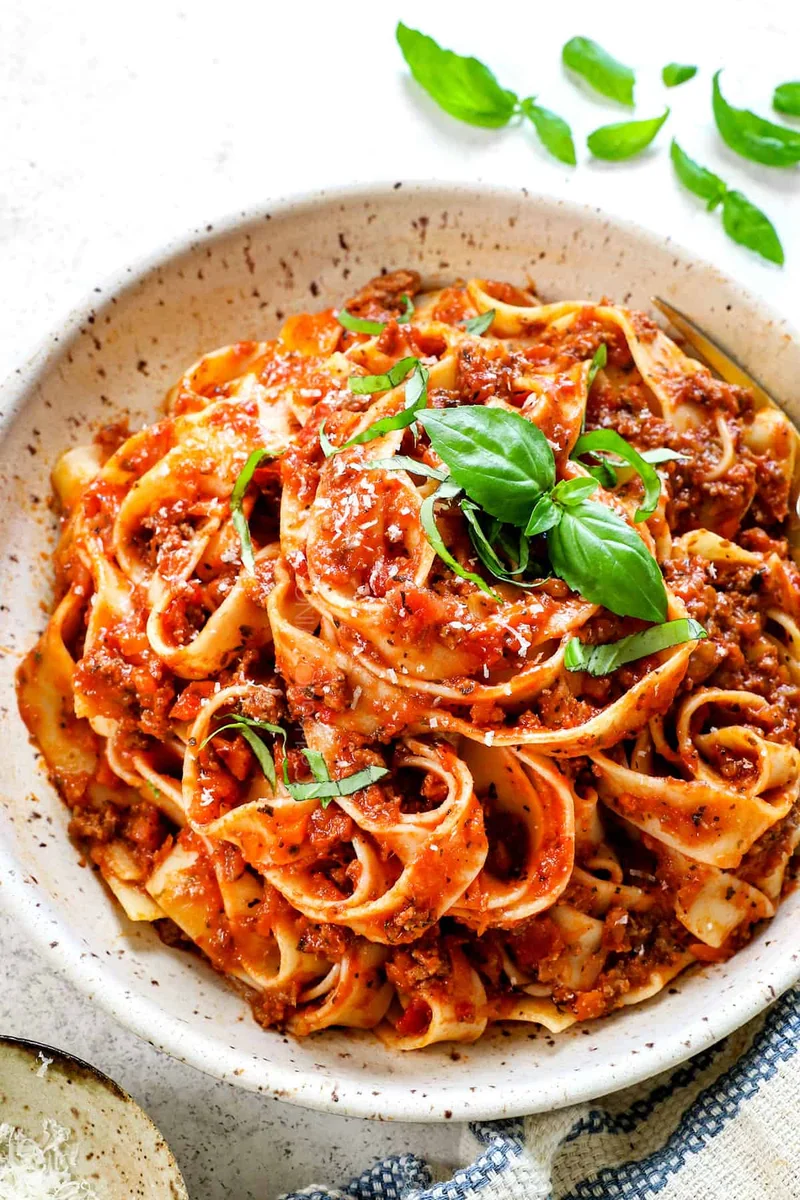
This rich, slow-simmered Bolognese combines Italian sausage and beef with tomatoes, aromatic vegetables and a little cream. It makes a generous batch for serving with pasta or using in baked pasta dishes, and most of the cooking time is hands-off.
Ingredients
- 454 g (1 lb)mild Italian sausage, bulk or removed from its casings
- 454 g (1 lb)lean minced beef
- 1 mediumyellow onion
- 1carrot
- 1 stalkcelery
- 6–8 clovesgarlic, minced
- ½–1 tsp (2.5–5 ml)red pepper flakes
- 794 g (28 oz)tin crushed tomatoes
- 425 g (15 oz)tin tomato sauce
- 2 tbsp (30 ml)tomato purée
- 1 tsp (5 ml)balsamic vinegar
- 60 ml (¼ cup)water
- 1 tbsp (15 ml)dried parsley
- 2 tsp (10 ml)chicken bouillon, crushed cubes, powder or paste
- 1½ tsp (7.5 ml)dried oregano
- 1 tsp (5 ml) eachsalt and sugar, plus more to taste
- ½ tsp (2.5 ml) eachdried thyme and pepper
- 1bay leaf
- 15 g (¼ cup) fresh, chopped; or 1 tbsp (15 ml) driedbasil
- 60 ml (¼ cup)double cream
- To servefreshly grated Parmesan
- 454 g (1 lb), optionalpasta
- To servefreshly grated Parmesan
Instructions
- 1
Chop the vegetables
Roughly chop the onion, celery and carrot into pieces that fit in a food processor. Pulse about 12 times until finely chopped, or chop them by hand.
- 2
Brown the meat
In a Dutch oven over medium heat, brown the beef, sausage, onion, celery and carrot. Add the garlic and red pepper flakes and cook for 30 seconds more, then drain off the fat.
- 3
Add sauce ingredients
Add the remaining sauce ingredients, leaving out the fresh basil and cream. If using dried basil, add it with the other seasonings.
- 4
Simmer the sauce
Bring the sauce to a simmer over medium-high heat, then turn the heat to low. Simmer uncovered for 30–45 minutes, stirring occasionally, until reduced and as thick as you like. Stir more often towards the end to keep it from catching.
- 5
Finish and serve
Stir in the cream and fresh basil, then cook for 3 minutes. Taste and adjust with more salt, pepper, sugar or red pepper flakes as needed. Serve with pasta and plenty of freshly grated Parmesan.
What is Bolognese sauce?
Bolognese is a meat-based sauce associated with Bologna in northern Italy, usually simmered with vegetables and tomato until the flavours meld. This version combines minced beef and Italian sausage for a hearty sauce with a savoury, gently spiced character.
The recipe takes a shortcut on the long simmer of some traditional ragùs, but still gives the sauce time to reduce and develop flavour. A little cream stirred in at the end softens the acidity and rounds out the texture.
Nutrition and macros by portion
The nutrition label shows one serving as written: 305 calories, 21g protein, 13g carbs, 18g fat.
| Portion | Adjustment | kcal | Protein | Carbs | Fat |
|---|---|---|---|---|---|
| Lighter | Use less cream | 214 kcal | 15g | 9g | 13g |
| This serving | As written | 305 kcal | 21g | 13g | 18g |
| Hungry | Add pasta and Parmesan | 458 kcal | 32g | 20g | 27g |
The beef and sausage provide most of the protein and fat, while the tomatoes and vegetables contribute carbohydrates; pasta adds a larger share of the carbohydrates if served. Balance a serving with a green salad or vegetables, and treat the optional pasta and Parmesan as additions. Nutrition estimates below are for the sauce alone, divided into 10 servings, without pasta or serving Parmesan.
The meat and vegetable base
Meat: Browning the beef and sausage together builds a savoury foundation. Mild sausage seasons the sauce as it cooks, while lean beef adds a distinct meaty texture.
Vegetables: Onion, carrot and celery form the aromatic base. Chopping them finely helps them blend into the finished sauce; a food processor is a quick option, but hand-chopping works too.
Build flavour in the pot
Garlic and chilli: Add these after the meat and vegetables have browned, and cook them briefly so the garlic becomes fragrant without scorching. The range of chilli gives you control over the heat.
Tomatoes and seasonings: Crushed tomatoes, tomato sauce and tomato purée give the sauce body and a concentrated tomato flavour. Balsamic vinegar, herbs and bouillon add depth, so taste before adding extra salt.
Let it reduce gently
Keep the pan uncovered during the 30–45-minute simmer so excess liquid can evaporate. A gentle simmer is best; vigorous bubbling can make the sauce splatter and catch on the bottom.
Stir occasionally at first, then more frequently as the sauce thickens. It is ready when it has reduced to the consistency you prefer and no longer looks watery.
Finish with cream and basil
Cream: Stir it in near the end rather than at the start, then cook for 3 minutes as directed. It softens the tomato-rich sauce without obscuring the meat.
Basil: Fresh basil goes in with the cream for a brighter finish. Dried basil is added earlier with the other seasonings, as it needs time to flavour the sauce.
Choose how to serve it
Pasta: Toss the sauce with cooked pasta or spoon it over the top, and finish with freshly grated Parmesan. Broad ribbons such as pappardelle or familiar spaghetti both make useful partners.
Beyond pasta: Use the sauce in lasagne or manicotti, or serve it alongside a simple green salad. Cook pasta separately so it does not absorb too much sauce while the Bolognese simmers.
Recipe notes & tips
- Use a food processor to chop the onion, carrot and celery quickly, but pulse rather than purée them.
- Drain the excess fat after browning the meat so the finished sauce is not greasy.
- Stir more frequently as the sauce reduces to prevent it catching on the bottom of the pot.
- Add dried basil with the other seasonings, but reserve fresh basil until the final few minutes.
- Taste before adding more salt because the sausage and bouillon already season the sauce.
- Grate the Parmesan just before serving for the best texture.
Variations
- Adjust the heat: Use the smaller amount of red pepper flakes for a milder sauce.
- Use dried basil: Add 1 tbsp (15 ml) with the other dried seasonings instead of fresh basil.
- Add more vegetables: Finely chop extra carrot or celery and brown it with the vegetable base.
- Make it without cream: Leave out the cream for a more tomato-forward sauce.
- Serve it baked: Layer the sauce into lasagne or spoon it into manicotti before baking.
Common mistakes to avoid
- Over-processing the vegetables: Pulse only until finely chopped so they do not become a purée.
- Burning the garlic: Add it after the meat and vegetables brown and cook for just 30 seconds.
- Boiling too hard: Lower the heat after the sauce reaches a simmer to reduce it gently.
- Letting the base catch: Stir more often as the sauce thickens, especially near the end.
- Adding fresh basil too early: Stir it in with the cream for the final 3 minutes of cooking.
- Seasoning without tasting: Check the finished sauce first, then adjust salt, pepper, sugar or chilli.
How to store
Cool the sauce and refrigerate it in an airtight container for up to 3 days, or freeze it for up to 3 months. Reheat gently in a saucepan, stirring until hot throughout; thaw frozen sauce in the fridge before reheating if convenient.
Frequently asked questions
Can I make the sauce ahead?
Yes. Cook it through, cool it, then refrigerate or freeze it in airtight portions. Reheat gently on the hob before serving.
How can I make the sauce less spicy?
Start with ½ teaspoon of red pepper flakes, or leave them out. You can add more at the end if you want extra heat.
Can I use dried basil instead of fresh?
Yes. Use 1 tablespoon of dried basil and add it with the other seasonings, rather than at the end.
How do I know when the sauce is thick enough?
After 30–45 minutes, it should be reduced and no longer watery. Continue simmering if you prefer a thicker consistency, stirring more often as it reduces.
What pasta works well with this sauce?
Spaghetti and pappardelle are both suggested options. You can also use it in lasagne or manicotti.
Can I leave out the cream?
Yes. The sauce will be more tomato-forward without it; add the basil as directed and cook for the final 3 minutes.
Cook it from the original
This recipe comes from carlsbadcravings.com. Their page has the author’s own photos, notes and tips — the best place to cook it from.
Open the recipe on carlsbadcravings.com