
Basic Homemade Ravioli (With a Spinach and Cheese Filling)
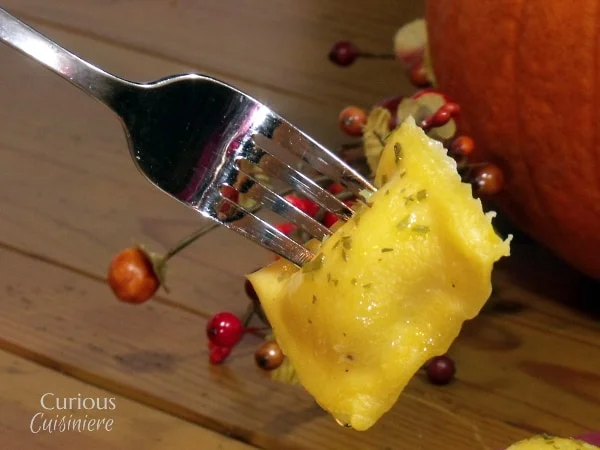
These homemade ravioli pair fresh egg pasta with a simple spinach, ricotta and herb filling. Make them when you want a hands-on Italian-style meal that can be cooked straight away or frozen for later.
Ingredients
- 450–480 g (3¾–4 cups)unbleached plain flour
- 6eggs
- 75 g (½ cup), thawed and squeezed dryfrozen spinach
- 125 g (½ cup)ricotta
- 1, lightly beatenegg
- 2.5 ml (½ tsp)dried oregano
- 2.5 ml (½ tsp)dried basil
- 2.5 ml (½ tsp)dried parsley
- 2.5 ml (½ tsp)salt
Instructions
- 1
Mix the dough
Put 450 g (3¾ cups) of the flour in a medium bowl and make a well in the centre. Crack in the 6 eggs, then gently work them into the flour by hand or with a spoon or spatula until a soft dough forms.
- 2
Knead the dough
Turn the dough out on to a lightly floured surface and knead for 10 minutes. Add some of the remaining flour as needed to stop it sticking to your hands or the work surface.
- 3
Rest the dough
Wrap the dough in cling film and leave it to rest for 10 minutes to 1 hour. It can be made up to 24 hours ahead and rested in the fridge; bring it to room temperature for 1 hour before rolling.
- 4
Mix the filling
While the dough rests, squeeze any excess moisture from the spinach. Mix the dry spinach with the ricotta, beaten egg, oregano, basil, parsley and salt, then set aside.
- 5
Divide the dough
Cut the dough into two portions. Cover one with a tea towel while you work with the other so it does not dry out.
- 6
Roll the pasta
On a well-floured surface, roll one portion into a rectangle about 25 by 30 cm (10 by 12 inches) and 6 mm (¼ inch) thick. Re-flour the surface partway through if needed to prevent sticking.
- 7
Add the filling
Place 15 teaspoon-sized mounds of filling in three columns and five rows, spaced roughly 2.5 cm (1 inch) apart, over slightly less than half of the pasta rectangle.
- 8
Moisten the pasta
Use your fingers to brush a little water on the pasta between the filling mounds.
- 9
Fold the pasta
Fold the unfilled half of the pasta over the filling and line up the edges.
- 10
Cut and seal
Use a ruler, knife or bench scraper to cut between the filling mounds. Press the edges of each ravioli together to seal in the filling, then place them on a baking sheet lined with baking parchment.
- 11
Shape remaining ravioli
Repeat the rolling, filling, folding, cutting and sealing process with the second portion of dough.
- 12
Boil until ready
To eat straight away, boil the ravioli in salted water for 2–3 minutes, until they float.
- 13
Freeze for later
To store, freeze the ravioli on the baking sheets for 30 minutes. Transfer them to an airtight bag or container and keep in the freezer for up to 6 months; boil from frozen as directed above.
What are ravioli?
Ravioli are small parcels of filled pasta associated with Italian cooking, with regional versions varying in shape and filling. This homemade version uses a spinach and ricotta mixture seasoned with dried herbs.
The dough is made from flour and eggs, then rolled, folded around the filling and sealed by hand. Kneading and resting help make it easier to roll and shape without extra gadgets.
Nutrition and macros by portion
The nutrition label shows one serving as written: 148 calories, 9g protein, 15g carbs, 6g fat.
| Portion | Adjustment | kcal | Protein | Carbs | Fat |
|---|---|---|---|---|---|
| Lighter | Add a side salad | 104 kcal | 7g | 10g | 4g |
| This serving | As written | 148 kcal | 9g | 15g | 6g |
| Hungry | Serve a larger portion | 222 kcal | 14g | 22g | 9g |
The flour and pasta dough provide most of the carbohydrates, while the eggs and ricotta contribute protein and fat. Spinach adds some fibre; pair a serving with vegetables or salad for a more balanced plate.
A workable pasta dough
Flour: Begin with 450 g and keep the rest to hand for kneading and dusting. The dough should come together softly; add flour gradually if it clings to your hands or the surface.
Kneading: Work the dough for the full 10 minutes so it becomes cohesive and smoother. Resting it afterwards makes it less resistant when you roll it.
Keep the filling dry
Spinach: Squeeze out as much liquid as you can after thawing. Excess moisture can make the filling runny and make the pasta harder to seal.
Portions: Use about a teaspoon of filling for each mound and leave space between them. A modest, even amount makes folding and sealing more manageable.
Roll, fold and seal
Rolling: Flour the work surface well and check that the pasta can move freely as you roll. If it starts to stick, dust the surface again rather than pulling the sheet.
Sealing: Brush water between the mounds, fold the pasta over, then press around each parcel to push out air and join the edges. Cut between the mounds once the edges are aligned.
Check the cooking cues
Boiling: Cook the ravioli in salted water for 2–3 minutes. They are ready when they float, so keep an eye on them rather than leaving them to boil unattended.
Frozen pasta: The instructions are to boil frozen ravioli without thawing, using the same timing and floating cue.
Serve the ravioli
These filled pasta parcels can be served simply with a sauce or a little butter, letting the spinach, ricotta and herbs remain noticeable. A crisp salad or cooked vegetables make an easy side.
Cook only the amount you plan to serve and keep the rest frozen for another meal.
Recipe notes & tips
- Keep the covered portion of dough under a tea towel while you shape the first batch.
- Squeeze the thawed spinach firmly so it does not add excess moisture to the filling.
- Dust the work surface again if the pasta begins to stick while rolling.
- Space the filling mounds evenly so each parcel has room to seal.
- Press out trapped air as you seal each ravioli to help keep the filling inside.
- Freeze the ravioli in a single layer before transferring them to a storage container.
Variations
- Fresh herbs: Use chopped fresh herbs in place of the dried herbs, adjusting to taste.
- More spinach: Increase the spinach slightly, but squeeze it especially well before mixing.
- Cheese finish: Serve the cooked ravioli with a little grated hard cheese.
- Simple sauce: Toss the cooked ravioli with a light tomato sauce for a different finish.
- Seasoning: Add black pepper to the filling for a more peppery note.
Common mistakes to avoid
- Wet spinach: Excess liquid can make the filling soupy; squeeze the thawed spinach thoroughly.
- Too much filling: Overfilled parcels are difficult to seal; use about a teaspoon per mound.
- Dry dough: Dough left uncovered can become difficult to work; keep the unused portion covered.
- Sticky pasta: A damp or insufficiently floured surface can catch the dough; dust the work surface as needed.
- Loose edges: Unsealed ravioli can open in the pan; press firmly around each parcel before cutting.
- Overcooking: Long boiling can make the pasta too soft; check it after 2 minutes and remove it when it floats.
How to store
Freeze the ravioli on baking sheets for 30 minutes, then transfer them to an airtight bag or container and store for up to 6 months. Boil them from frozen for 2–3 minutes, until they float.
Frequently asked questions
Can I make the dough ahead?
Yes. Wrap it and rest it in the fridge for up to 24 hours. Bring it to room temperature for 1 hour before rolling.
Do I need a pasta machine?
No. The method uses a rolling pin and a floured work surface to roll the dough.
How do I stop the filling making the pasta soggy?
Squeeze as much liquid as possible from the thawed spinach before mixing it with the ricotta and other filling ingredients.
How do I know when the ravioli are cooked?
Boil them for 2–3 minutes and look for them to float. Start checking at the 2-minute mark.
Can I cook the ravioli from frozen?
Yes. The recipe says to boil them directly from frozen, using the same 2–3-minute timing and checking that they float.
How many ravioli does this make?
The recipe yields 30 ravioli, which serves 4.
Cook it from the original
This recipe comes from curiouscuisiniere.com. Their page has the author’s own photos, notes and tips — the best place to cook it from.
Open the recipe on curiouscuisiniere.com