
Easy pad Thai recipe
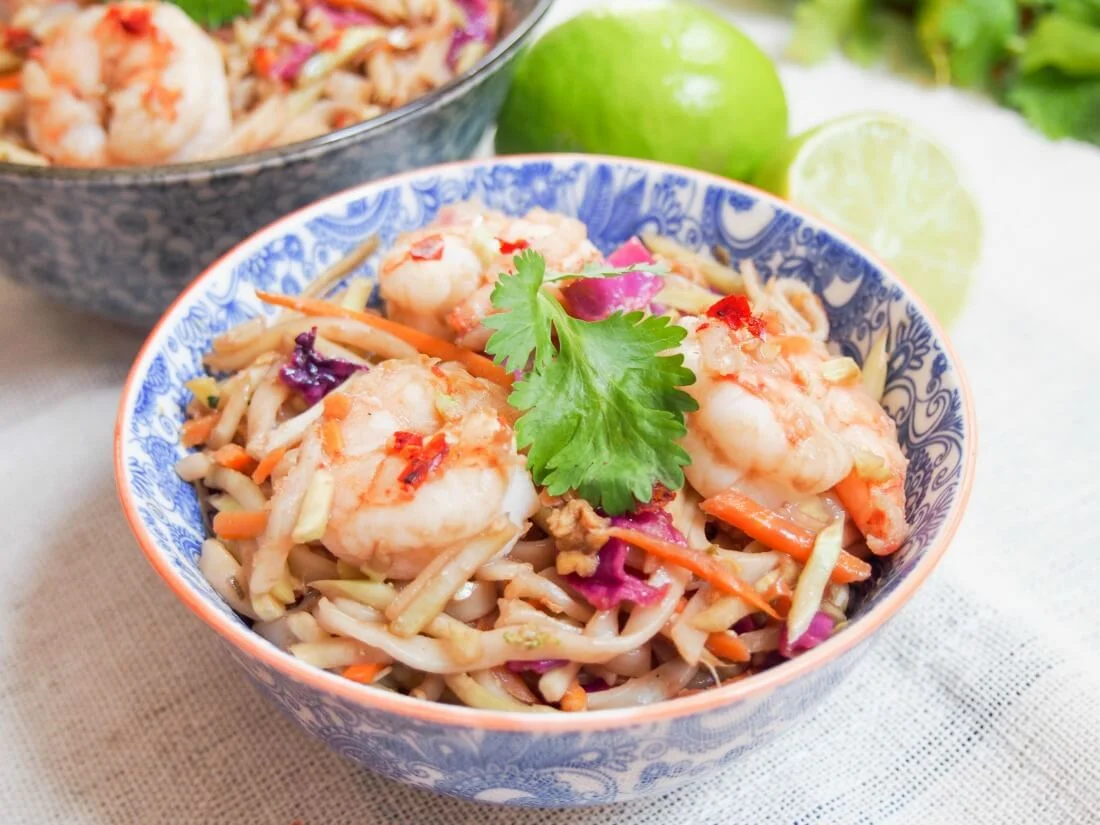
This quick pad Thai pairs rice noodles and prawns with egg, crunchy broccoli slaw and a tangy-sweet tamarind sauce. It is a handy weeknight meal that comes together in one pan.
Ingredients
- 30 ml (2 tbsp)vegetable oil or peanut oil
- 125 gpeeled and deveined prawns, or more to taste
- 200 g (1 pouch)straight-to-wok rice noodles
- 2 clovesgarlic, crushed
- 1egg, lightly beaten
- 340 g (1 packet)broccoli coleslaw
- 15 ml (1 tbsp)tamarind paste
- 15 ml (1 tbsp)fish sauce
- 30 ml (2 tbsp)brown sugar
- 15 ml (1 tbsp)lime juice
Instructions
- 1
Cook the prawns
Warm the oil in a wok or large frying pan over a medium heat. Add the prawns and cook for a minute or two on each side, until pink and cooked through. Lift them out and set aside.
- 2
Warm the noodles
Add the noodles to the pan and cook for 1 minute, stirring to coat them in oil and stop them sticking. Stir in the garlic.
- 3
Scramble the egg
Push the noodles to one side of the pan and pour the egg into the empty side. Cook, stirring occasionally, until scrambled, then mix it through the noodles.
- 4
Add the sauce
Add the slaw and stir it through. In a small bowl, mix about half of the tamarind paste, fish sauce and lime juice with all the sugar, then add to the pan. Alternatively, add these directly, making sure the sugar dissolves and is evenly mixed in. Stir and cook for 1 minute, then taste a little noodle or vegetable and adjust the sauce to suit your taste.
- 5
Finish and serve
Once the sauce is balanced, cook for another minute to soften the vegetables slightly, then serve. If you like, squeeze a little lime over the top and sprinkle with roasted peanuts, whole or partly crushed.
What is pad Thai?
Pad Thai is a Thai stir-fried noodle dish, typically built around rice noodles and a savoury, tangy-sweet sauce. Its mix of noodles, egg, vegetables and a punchy dressing makes it both filling and lively.
This quick version uses prawns and ready-to-wok noodles to keep preparation short. Broccoli slaw adds fresh crunch without needing much chopping.
Nutrition and macros by portion
The nutrition label shows one serving as written: 478 calories, 26g protein, 55g carbs, 17g fat.
| Portion | Adjustment | kcal | Protein | Carbs | Fat |
|---|---|---|---|---|---|
| Lighter | Use less oil | 335 kcal | 18g | 39g | 12g |
| This serving | As written | 478 kcal | 26g | 55g | 17g |
| Hungry | Add more prawns | 717 kcal | 39g | 83g | 26g |
The rice noodles and brown sugar provide most of the carbohydrates, while the oil contributes much of the fat. Prawns and egg provide the main protein, with smaller amounts from the other ingredients. Pair a serving with extra fresh vegetables if you want more variety on the plate.
The sauce balance
Tamarind: its tart, fruity flavour gives the sauce its distinctive sharpness. Start with about half the listed amount, then taste and add more if needed.
Fish sauce and sugar: fish sauce brings savoury depth, while brown sugar rounds off the tartness. Stir well so the sugar dissolves and the flavours coat the noodles evenly.
Lime: lime juice adds a fresh citrus note. The strength of the tamarind and fish sauce can vary, so tasting before adding the rest is useful.
Use a hot, roomy pan
A wok or large frying pan gives the ingredients room to heat quickly and makes it easier to stir them together. Keep the heat at medium as directed, and have the ingredients ready before you start cooking.
Cook the prawns first and set them aside. This lets them cook through without leaving them in the pan while the noodles and egg are prepared.
Keep the noodles moving
Oil the noodles by stirring them as they warm; this helps reduce sticking. Add the garlic after the noodles and stir it through so it is distributed rather than left in one spot.
Straight-to-wok noodles are designed for quick cooking, so follow the short timings and avoid leaving them unattended. If they begin to clump, keep stirring to separate and coat them.
Cook the egg separately
Pushing the noodles aside makes space to scramble the egg directly in the pan. Stir it from time to time, then fold it through the noodles once it has set.
This gives you small pieces of egg through the dish rather than a single layer underneath the noodles.
Aim for tender-crisp slaw
The slaw only needs a short cook: the recipe adds it before the sauce and gives it another minute at the end. It should soften a little while retaining some bite.
Serve as soon as the vegetables reach the texture you like. The recipe suggests a squeeze of lime and roasted peanuts at the table, if desired.
Serve it straight away
Pad Thai is at its best just after cooking, while the noodles are warm and the slaw still has texture. Divide it between two plates and add any finishing lime or peanuts just before serving.
For a fuller meal, serve it with a simple side of fresh vegetables or a light salad. Keep accompaniments plain so they do not compete with the tamarind and lime.
Recipe notes & tips
- Have the sauce ingredients measured before heating the pan, as the cooking takes only a few minutes.
- Taste the sauce after adding about half the tamarind, fish sauce and lime juice, then adjust to your preference.
- Stir the noodles as they warm so they pick up the oil and are less likely to stick.
- Set the cooked prawns aside and return your attention to the noodles and egg.
- Add the slaw near the end so it softens slightly but keeps some crunch.
Variations
- More prawns: increase the prawn quantity to taste for a seafood-forward version.
- Peanut oil: use peanut oil instead of vegetable oil for a nuttier flavour.
- Extra lime: finish with another squeeze of lime for a brighter, sharper note.
- Peanut topping: sprinkle with roasted peanuts, whole or partly crushed, just before serving.
- More tender slaw: cook the vegetables for an extra minute if you prefer them softer.
Common mistakes to avoid
- Overcooking the prawns: remove them as soon as they are pink and cooked through, then set them aside.
- Sticky noodles: stir them as they cook so they are coated in oil and do not sit in a clump.
- Uneven egg: make space at the side of the pan and scramble the egg there before mixing it through.
- Too much sauce at once: begin with about half the tamarind, fish sauce and lime juice, then taste and adjust.
- Soft slaw: keep its cooking brief and serve once it has softened slightly but still has some bite.
How to store
Refrigerate leftovers in a covered container and eat within 2 days. Reheat in a frying pan over a medium heat, stirring until hot throughout; the noodles and slaw may be softer after storage.
Frequently asked questions
Can I use dried rice noodles?
This recipe specifies straight-to-wok noodles, which are ready for a short stir-fry. If using dried noodles, prepare them according to their packet instructions before adding them to the pan.
Can I make the sauce less strong?
Yes. Start with about half the tamarind, fish sauce and lime juice, as the method suggests, and taste before adding more. Keep all the brown sugar in the sauce.
How do I know when the prawns are cooked?
They should turn pink and be cooked through after a minute or two on each side, depending on their size. Remove them from the pan once done.
Can I prepare this ahead?
It is best cooked just before serving because the noodles cook quickly and the slaw is nicest with some bite. You can measure the sauce ingredients and prepare the prawns and garlic in advance.
What can I serve with pad Thai?
It can be served on its own as a meal. A simple side of fresh vegetables or salad works well alongside it.
Cook it from the original
This recipe comes from carolinescooking.com. Their page has the author’s own photos, notes and tips — the best place to cook it from.
Open the recipe on carolinescooking.com