
Perfect Roast Chicken | Recipes
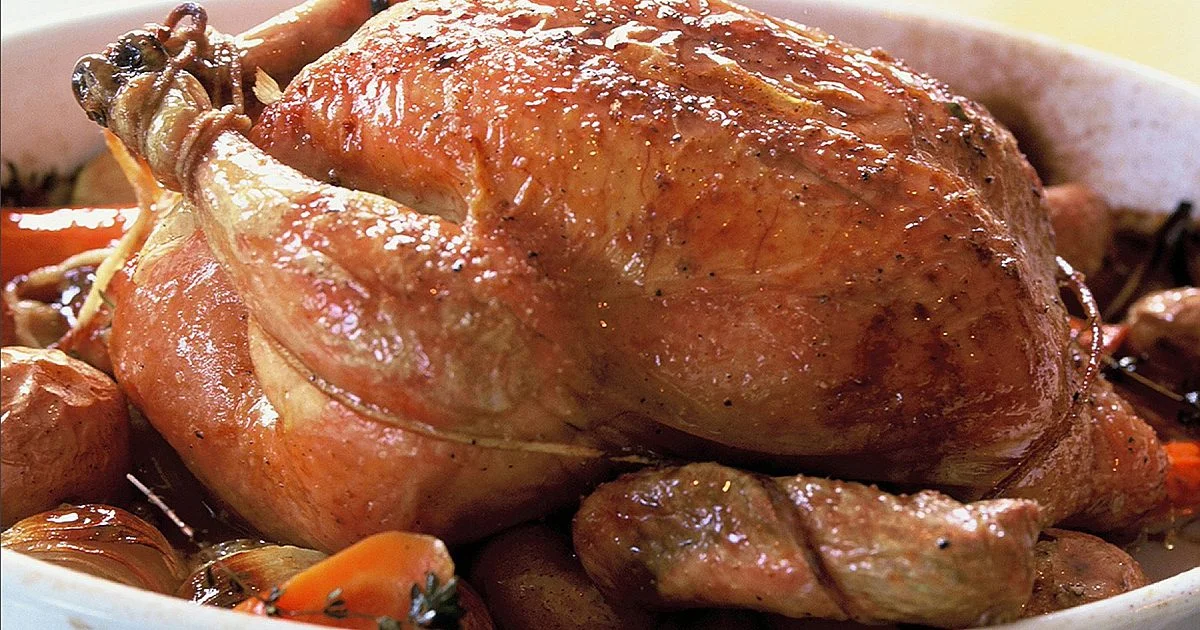
A classic roast chicken with lemon, garlic and thyme, served with a simple gravy made from the roasting-pan juices. It is a good choice for a Sunday lunch or a straightforward centrepiece meal.
Ingredients
- 1 chicken, 2.3–2.7 kg (5–6 lb)roasting chicken
- al gustosalt
- al gustofreshly ground black pepper
- 1 large bunchfresh thyme
- 1, halvedlemon
- 1 head, halved crosswisegarlic
- 30 ml (2 tablespoons), meltedbutter
- 1 large, thickly slicedyellow onion
- 240 ml (1 cup)chicken stock
- 16 g (2 tablespoons)plain flour
Instructions
- 1
Preheat the oven
Heat the oven to 220°C (425°F).
- 2
Prepare the chicken
Remove the giblets, rinse the chicken inside and out, trim away excess fat and any remaining pinfeathers, then pat it dry. Set it in a roasting pan just large enough to fit the chicken and vegetables. Season the cavity generously with salt and pepper, then fill it with the thyme, both lemon halves and all the garlic. Brush the outside with the melted butter and season again with salt and pepper. Tie the legs together with kitchen string, tuck the wing tips beneath the body and scatter the onion slices around the chicken.
- 3
Roast the chicken
Roast for 1½ hours, or until the juices run clear when you cut between a leg and thigh. Transfer the chicken to a platter and cover it with aluminium foil while you make the gravy.
- 4
Make the gravy
Remove the fat from the roasting pan, keeping 30 ml (2 tablespoons) in a small cup. Add the chicken stock to the pan and cook over high heat for about 5 minutes, scraping the browned bits from the base as the liquid reduces. Mix the reserved chicken fat with the flour and stir this into the pan. Boil for a few minutes to cook the flour, then strain the gravy into a small saucepan and season to taste. Keep it warm over very low heat while you carve the chicken.
- 5
Carve and serve
Carve the chicken onto a platter and serve straight away with the warm gravy.
What is roast chicken?
Roast chicken is a familiar Sunday-lunch centrepiece in British cooking and many other food traditions. This version seasons the bird simply and fills it with thyme, lemon and garlic to flavour it as it roasts.
The gravy makes use of the browned bits and fat left in the pan, bringing the chicken and its accompaniments together.
Nutrition and macros by portion
The nutrition label shows one serving as written: 1100 calories, 95g protein, 8g carbs, 75g fat.
| Portion | Adjustment | kcal | Protein | Carbs | Fat |
|---|---|---|---|---|---|
| Lighter | Remove the chicken skin | 770 kcal | 67g | 6g | 53g |
| This serving | As written | 1100 kcal | 95g | 8g | 75g |
| Hungry | Add more chicken | 1650 kcal | 143g | 12g | 113g |
The chicken supplies most of the protein and much of the fat, while butter and the reserved roasting fat add further fat. The flour contributes a small amount of carbohydrate, and the gravy also contains stock and the pan juices. Pair a serving with vegetables and a modest portion of potatoes for a more balanced plate.
Aromatics and seasoning
Cavity filling: thyme, lemon and garlic sit inside the bird while it cooks, adding fragrance without requiring a separate stuffing.
Surface: butter helps the skin take on colour, while salt and pepper season both the exterior and the cavity. Thick onion slices roast around the chicken and contribute flavour to the pan juices.
Getting the bird ready
Dry skin: pat the chicken thoroughly dry after rinsing and trimming so the surface is not wet when it goes into the oven.
Shape: tying the legs and tucking the wing tips beneath the body helps keep the bird compact for roasting. Use a pan that holds the chicken and onions snugly without crowding them.
Roasting and checking doneness
Timing: the recipe gives 1½ hours at 220°C (425°F), but treat the stated doneness cue as the check rather than relying on time alone.
Doneness: cut between a leg and thigh and look for clear juices, as the method directs. Rest the chicken under foil while you make the gravy.
Building the gravy
Pan juices: scrape the base as the stock simmers so the browned residue dissolves into the liquid. Reducing it for about 5 minutes concentrates its flavour.
Thickening: combine the reserved chicken fat and flour before stirring them into the pan. Let the gravy boil for a few minutes, then strain it and keep it warm over very low heat.
What to serve with it
Serve the carved chicken with the gravy while both are warm. Roast potatoes, vegetables or a simple green salad make useful accompaniments, though they are not part of the recipe itself.
Spoon gravy over the meat just before eating, or serve it in a jug so everyone can add their own.
Recipe notes & tips
- Pat the chicken thoroughly dry before buttering it.
- Use kitchen string to tie the legs securely but not so tightly that the skin tears.
- Choose a roasting pan that holds the bird and onions closely.
- Scrape the browned residue from the pan while the stock reduces.
- Strain the gravy for a smoother texture.
- Keep the gravy over very low heat while carving so it stays warm.
Variations
- Extra citrus: add a little lemon zest to the butter before brushing it over the chicken.
- Herb change: use a bunch of rosemary in place of the thyme.
- More vegetables: add additional onion or other roasting vegetables around the bird.
- Smoother gravy: strain the gravy carefully before serving.
- Peppery finish: add extra freshly ground black pepper to the gravy to taste.
Common mistakes to avoid
- Wet skin: pat the chicken dry before adding butter so its surface is not damp.
- Crowded pan: use a pan just large enough for the bird and vegetables, as specified.
- Skipping the doneness check: check between the leg and thigh for clear juices rather than relying only on the clock.
- Burning the gravy: keep it over very low heat once strained.
- Lumpy thickener: combine the chicken fat and flour before adding the mixture to the pan.
How to store
Refrigerate leftover chicken and gravy in separate airtight containers within 2 hours, and use within 3–4 days. Reheat the chicken until steaming hot throughout and warm the gravy gently, stirring as needed.
Frequently asked questions
Can I use a smaller chicken?
Yes, but a smaller bird will generally need less time in the oven. Check the juices between the leg and thigh for the doneness cue given in the recipe.
How do I know when the chicken is ready?
The recipe says to cut between the leg and thigh and check that the juices run clear. Do not use the 1½-hour timing as the only test.
Can I make the gravy without pan fat?
The method uses 30 ml (2 tablespoons) of reserved chicken fat mixed with flour to thicken the gravy. If you do not have enough, the gravy may not thicken as intended.
Can I prepare the chicken ahead?
You can season and fill the chicken shortly before roasting, then cook it according to the method. For best texture, carve and serve it just before eating.
Can I use dried thyme?
The recipe calls for a large bunch of fresh thyme. Dried thyme has a different intensity and texture, so it will not be an exact substitute for the bunch in the cavity.
Cook it from the original
This recipe comes from barefootcontessa.com. Their page has the author’s own photos, notes and tips — the best place to cook it from.
Open the recipe on barefootcontessa.com