
Solomillo de cerdo en olla a presión
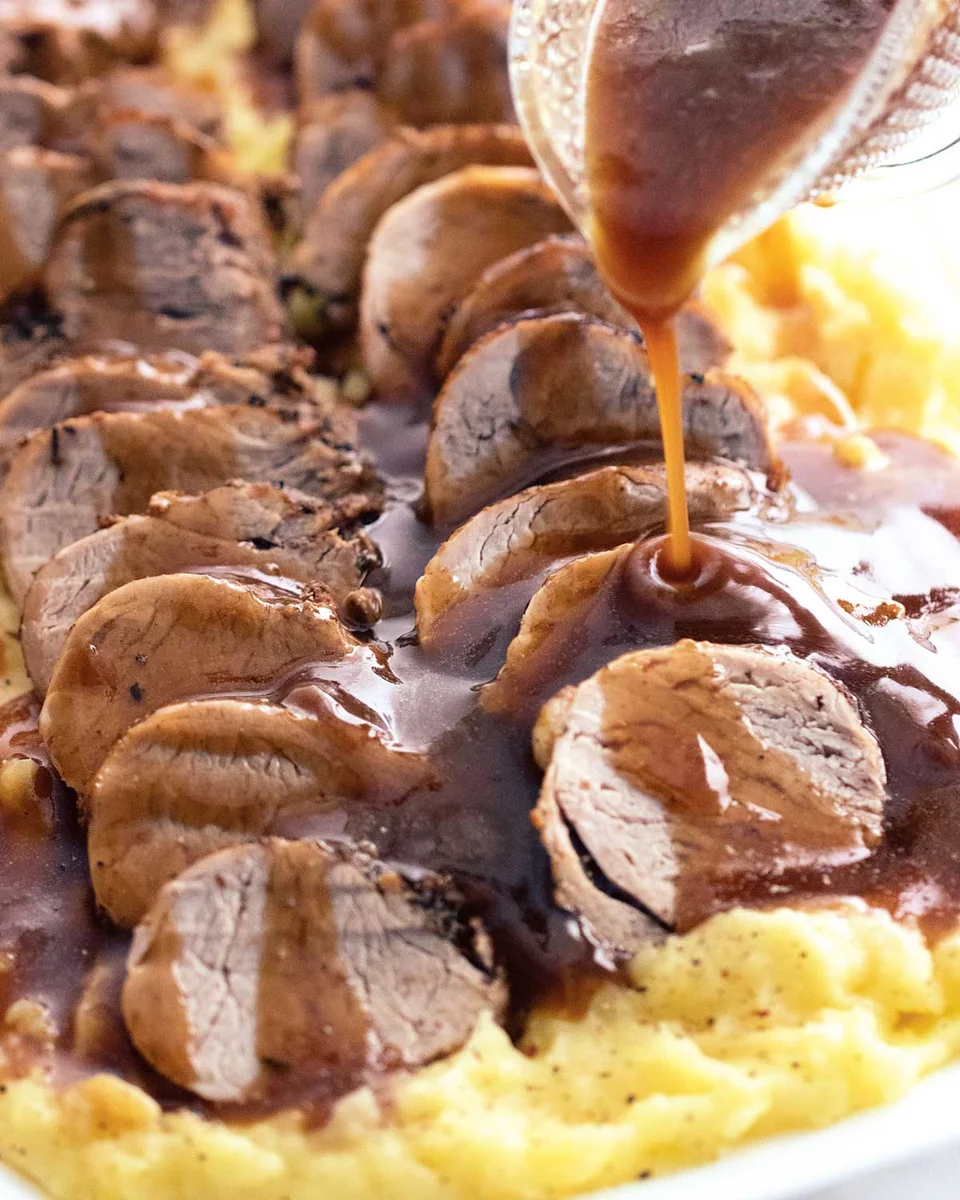
This pressure-cooker pork tenderloin is seared with a savoury herb-and-spice rub, then cooked with lemon, soy sauce and broth. A quick gravy made from the cooking liquid makes it an easy, flavourful centrepiece for a family meal.
Ingredients
- 15 ml (1 tablespoon)Italian seasoning
- 907 g (2 pounds)pork tenderloin
- 5 ml (1 teaspoon)garlic powder
- 2.5 ml (1/2 teaspoon)onion powder
- 2.5 ml (1/2 teaspoon)smoked paprika
- 2.5 ml (1/2 teaspoon), or to tastesalt
- 2.5 ml (1/2 teaspoon), or to tastepepper
- 15 ml (1 tablespoon)olive oil
- 30 ml (2 tablespoons)soy sauce
- 30 ml (2 tablespoons)lemon juice
- 240 ml (1 cup)low-sodium chicken broth or vegetable broth
- 16 g (2 tablespoons)cornstarch
- 30 ml (2 tablespoons)water
Instructions
- 1
Mix the rub
Whisk together the Italian seasoning, garlic powder, onion powder, smoked paprika, salt and pepper in a small bowl. Sprinkle the mixture evenly over the pork tenderloin.
- 2
Sear the pork
Set the Instant Pot to sauté and add the olive oil. Heat it for 1 minute, then sear the pork on all sides for 2–3 minutes per side. Take the pork out and set it aside.
- 3
Simmer the liquid
Add the soy sauce, lemon juice and broth to the pot. Bring to a simmer, scraping the browned bits from the bottom with a spoon or whisk. Put the trivet in the pot and place the pork on it.
- 4
Cook under pressure
Secure the lid and move the valve from VENT to SEAL. Cook at high pressure for 5 minutes, then allow the pressure to release naturally for 10 minutes before quick-releasing the remaining pressure.
- 5
Rest the pork
Carefully lift the pork from the Instant Pot and place it on a cutting board to rest. Remove the trivet.
- 6
Thicken the gravy
Set the pot to sauté and bring the cooking liquid to a simmer. Whisk the cornstarch with 30 ml (2 tablespoons) water to make a slurry, then whisk it into the pot until the gravy thickens. Make more slurry if you prefer a thicker gravy.
- 7
Season and serve
Taste the gravy and add salt and pepper if needed, then pour it into a gravy boat. Cut the tenderloin into slices about 1.3–2.5 cm (1/2–1 inch) thick.
What is pressure-cooker pork tenderloin?
Pork tenderloin is a lean, tender cut that cooks quickly, and this American-style version pairs it with familiar herbs, spices and a pan gravy. The pressure cooker brings the broth, soy sauce and lemon together while cutting down the cooking time.
The combination of a brief sear and a savoury cooking liquid gives the pork more flavour than pressure cooking it in plain broth. Thickening that liquid at the end makes a simple sauce to serve with each slice.
Nutrition and macros by portion
The nutrition label shows one serving as written: 171 calories, 24g protein, 4g carbs, 6g fat.
| Portion | Adjustment | kcal | Protein | Carbs | Fat |
|---|---|---|---|---|---|
| Lighter | More vegetables, less gravy | 120 kcal | 17g | 3g | 4g |
| This serving | As written | 171 kcal | 24g | 4g | 6g |
| Hungry | Larger pork portion | 257 kcal | 36g | 6g | 9g |
The pork supplies most of the protein, while the broth, soy sauce and seasonings contribute a small amount of carbohydrate. Olive oil contributes fat, with additional fat naturally present in the pork. Pair a serving with vegetables and a modest portion of potatoes or rice for a more complete plate.
The seasoning and sear
Dry rub: Italian seasoning, garlic powder, onion powder and smoked paprika add a savoury, gently smoky coating. Patting the pork dry before seasoning can help it brown, though the method does not require this.
Searing: Give each side 2–3 minutes in the hot oil, turning the tenderloin to brown it all around. Avoid moving it constantly so the surface has time to colour.
Building flavour in the pot
Deglazing: Once the pork is out, add the soy sauce, lemon juice and broth, then scrape up the browned bits. These bits dissolve into the liquid and become part of the gravy.
Trivet: Keep the pork above the liquid on the rack as directed. This lets it cook under pressure without sitting directly in the broth.
Pressure release and doneness
Release: The recipe calls for 5 minutes at high pressure, followed by 10 minutes of natural release and then a quick release of any remaining pressure. Keep the lid secured until the pressure has fully released.
Resting: Let the tenderloin rest on the cutting board before slicing so the juices have time to settle. For a precise doneness check, use a food thermometer and follow current food-safety guidance for whole cuts of pork.
Getting the gravy right
Slurry: Whisk the cornstarch with the specified water before adding it to the simmering liquid. This helps it blend smoothly rather than forming dry lumps.
Thickness: Whisk as the gravy heats and thickens. If you want it thicker, the method allows you to mix and add more slurry; add it gradually so you can stop when the texture suits you.
Serving the tenderloin
Slice the rested pork into pieces about 1.3–2.5 cm (1/2–1 inch) thick and serve the gravy alongside or over the top. The sauce is also useful for keeping the lean slices moist on the plate.
Serve with potatoes, rice or bread to make the gravy go further, and add a green vegetable such as broccoli or green beans for a balanced meal.
Recipe notes & tips
- Brown the tenderloin on every side rather than only on its broadest surfaces.
- Scrape the base of the pot thoroughly when adding the broth mixture.
- Use low-sodium broth as listed so the soy sauce does not make the gravy overly salty.
- Whisk the cornstarch slurry again just before pouring it into the pot.
- Slice the pork across the grain for more tender bites.
- Taste the gravy before adding extra salt, as the soy sauce is already savoury.
Variations
- Use vegetable broth: Swap it for the chicken broth as suggested in the ingredient list.
- Adjust the lemon: Add a little less lemon juice for a milder tang.
- Increase the smoke: Add a little more smoked paprika to the rub.
- Make extra gravy: Prepare additional cornstarch slurry and add it gradually until the sauce reaches your preferred thickness.
- Serve with greens: Pair the sliced pork and gravy with steamed green beans or broccoli.
Common mistakes to avoid
- Skipping the sear: The browned surface adds flavour, so take time to colour all sides.
- Leaving browned bits on the pot: Scrape them into the broth mixture to avoid losing flavour.
- Adding dry cornstarch: Mix it with water first so it disperses more evenly.
- Pouring in too much slurry at once: Add it while whisking and stop when the gravy is thick enough.
- Cutting the pork immediately: Let it rest on the board before slicing.
- Salting the gravy before tasting: Check it first because the soy sauce can make it salty.
How to store
Refrigerate leftover pork and gravy in an airtight container for up to 3 days. Reheat gently until hot throughout, adding a splash of broth or water to loosen the gravy if needed.
Frequently asked questions
Can I use vegetable broth instead of chicken broth?
Yes. The recipe lists low-sodium vegetable broth as an alternative, and it works in the same quantity.
Why does the pork need to rest?
Resting before slicing gives the juices time to settle and makes the meat less likely to lose moisture on the board.
How do I make the gravy thicker?
Whisk more cornstarch with water to make an additional slurry, then add it gradually to the simmering liquid while whisking.
Can I skip searing the tenderloin?
Searing adds colour and flavour before pressure cooking. The recipe includes it as a key step, so skipping it will change the result.
What should I serve with pressure-cooker pork tenderloin?
Potatoes, rice or bread work well with the gravy. Add a green vegetable for colour and a fresh contrast.
How should I slice the pork?
After it has rested, cut it into slices about 1.3–2.5 cm (1/2–1 inch) thick, preferably across the grain.
Cook it from the original
This recipe comes from cravinghomecooked.com. Their page has the author’s own photos, notes and tips — the best place to cook it from.
Open the recipe on cravinghomecooked.com