
Perfect Pound Cake | Recipes
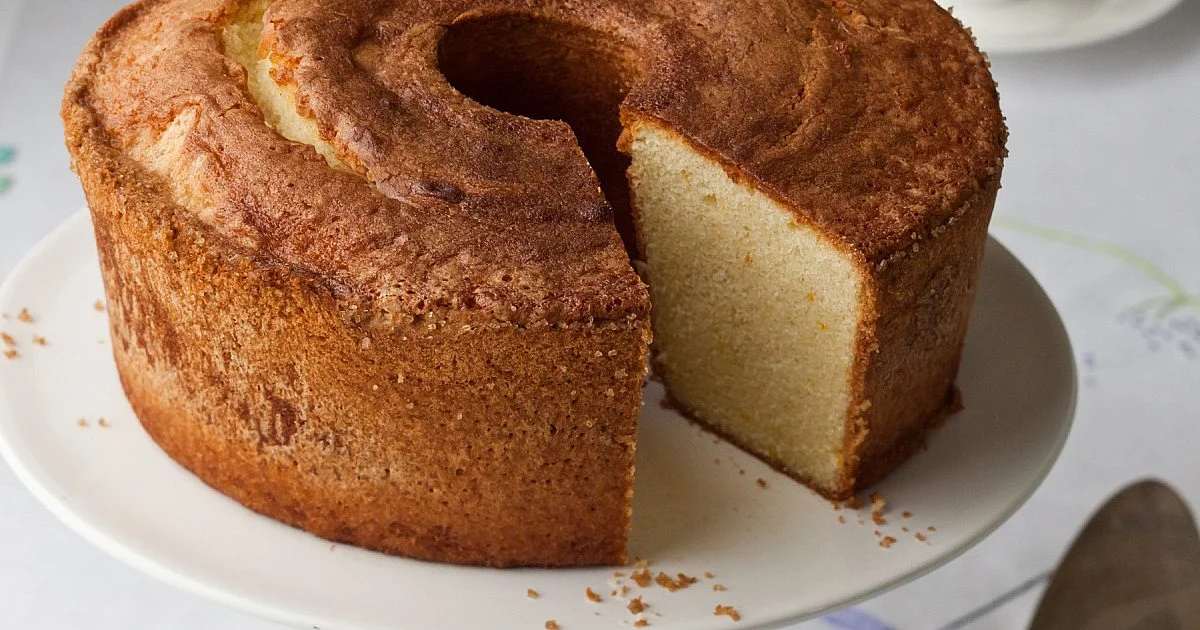
This classic pound cake is rich, buttery and gently scented with vanilla and orange. A sugar-coated pan gives the outside a delicate crunch, while starting the cake in a cold oven helps it bake evenly.
Ingredients
- Al gustoBaking spray with flour, such as Baker’s Joy
- 50 g (¼ cup)Demerara or turbinado sugar
- 375 g (3 cups), siftedCake flour
- 1 teaspoonKosher salt
- 227 g (½ pound; 2 sticks), at room temperatureUnsalted butter
- 500 g (2½ cups)Granulated sugar
- 6 extra-large, at room temperatureEggs
- 2 teaspoonsPure vanilla extract
- Seeds from 1 beanVanilla bean
- 2 teaspoons (from 2 oranges)Grated orange zest
- 240 ml (1 cup)Double cream
Instructions
- 1
Prepare the pan
Do not preheat the oven. Position a rack so the cake will sit in the centre. Thoroughly coat a 12-cup tube pan, not one with a removable base, or two 21.5 x 11.5 x 6.5 cm loaf tins with baking spray. Sprinkle in the demerara sugar, tilting the tin or tins so it coats the base and sides evenly, then set aside.
- 2
Sift the flour
Mix the sifted cake flour with the salt. Pass the mixture through a sieve or sifter into another bowl three times, then set it aside.
- 3
Make the batter
Using a stand mixer with the paddle attachment, beat the butter and granulated sugar on medium speed for 5 minutes, until pale yellow and fluffy. Reduce the speed to medium-low and add the eggs one at a time, mixing well after each. Mix in the vanilla extract, vanilla seeds and orange zest. On low speed, add the flour mixture in three additions, alternating with the cream; start and finish with flour, scraping down the bowl as needed. The mixture may look slightly curdled. Raise the speed to medium and beat for 3 minutes, until the batter is very light and fluffy.
- 4
Bake and cool
Pour the batter into the prepared tin or tins and level the top. Put them into the cold oven, then set it to 175°C (350°F) and bake for 50–55 minutes, until a toothpick comes out clean. Leave the cake in the tin for 30 minutes, then carefully turn it out onto a wire rack with the rounded side up and let it cool completely.
What is pound cake?
Pound cake is a dense, buttery cake with roots in European baking traditions; its name refers to the traditional equal-weight proportions of its main ingredients. This version builds a soft, fine crumb with creamed butter and sugar, and adds vanilla and orange zest for fragrance.
The method has a distinctive twist: the cake goes into a cold oven, which is then switched on. A coating of demerara sugar gives the tin’s surface a crisp, sweet finish.
Nutrition and macros by portion
The nutrition label shows one serving as written: 540 calories, 7g protein, 66g carbs, 26g fat.
| Portion | Adjustment | kcal | Protein | Carbs | Fat |
|---|---|---|---|---|---|
| Lighter | Smaller cake slice | 378 kcal | 5g | 46g | 18g |
| This serving | As written | 540 kcal | 7g | 66g | 26g |
| Hungry | Larger cake slice | 810 kcal | 11g | 99g | 39g |
Most of the carbohydrates come from the cake flour and both sugars; butter and double cream contribute much of the fat, while eggs provide some protein. Serve a slice with fresh fruit, or pair it with a less rich accompaniment such as tea or coffee.
Why sift the flour repeatedly?
Even flour: Passing the flour and salt through a sieve three times distributes the salt and helps keep the mixture light. Measure the flour after sifting, as the recipe specifies.
Cream the butter and sugar well
Room-temperature butter: Softened butter blends more readily with the sugar and can trap air as it is beaten. The full 5 minutes helps create the cake’s light, fluffy starting mixture.
Room-temperature eggs: Add them one at a time and mix well after each addition. This gives the batter time to incorporate each egg before the next goes in.
Alternate flour and cream
Order matters: Add the flour mixture in three additions, alternating with cream, and begin and end with flour. Scrape the sides of the bowl so the ingredients combine evenly.
A slightly curdled look after adding the eggs is not a reason to start over. The final 3 minutes of beating on medium should leave the finished batter light and fluffy.
The cold-oven bake
Start cold: Place the filled tin in the oven before turning it on; do not preheat. Set the temperature to 175°C (350°F) and bake for 50–55 minutes.
Check doneness: A toothpick inserted into the cake should come out clean. If it still carries wet batter, give the cake a little more time and check again.
Choose the right tin
Tube tin: Use a 12-cup tube tin with a fixed base, not a tin with a removable bottom. Spray it generously so the cake releases cleanly.
Loaf tins: The recipe also works in two tins measuring 21.5 x 11.5 x 6.5 cm. Divide the batter between them and coat both with spray and demerara sugar.
Cooling and serving
Give the cake 30 minutes in its tin before turning it out, then cool it completely on a wire rack. This helps it hold its shape while the crumb settles.
Serve slices on their own, or alongside berries and a spoonful of softly whipped cream. The cake is also a good match for tea or coffee.
Recipe notes & tips
- Bring the butter and eggs to room temperature before mixing.
- Use a fixed-base tube tin if making the ring-shaped version.
- Coat the tin’s base and sides evenly with the demerara sugar.
- Scrape down the bowl as you add the flour and cream.
- Let the cake cool completely before slicing for neater pieces.
Variations
- Citrus swap: Replace the orange zest with the same amount of finely grated lemon zest.
- Vanilla focus: Use the vanilla extract and bean as written, keeping the orange zest for balance.
- Loaf version: Divide the batter between two loaf tins instead of using a tube tin.
- Berry pairing: Serve each slice with fresh berries for a bright contrast.
- Simple finish: Leave off any extra topping and serve the cake plain to enjoy its sugared crust.
Common mistakes to avoid
- Preheating the oven: Put the filled tin into a cold oven before setting it to 175°C (350°F).
- Using a loose-bottomed tube tin: Choose a fixed-base tin to avoid leakage.
- Adding all the eggs together: Mix them in one at a time, combining well after each.
- Skipping the flour-and-cream order: Add them in alternating batches, starting and ending with flour.
- Turning the cake out too soon: Leave it in the tin for 30 minutes before transferring it to a rack.
How to store
Once completely cool, keep the cake covered at room temperature for up to 3 days. Rewarm individual slices briefly in a low oven if you prefer them slightly warm.
Frequently asked questions
Can I use two loaf tins instead of a tube tin?
Yes. The recipe gives two loaf tins measuring 21.5 x 11.5 x 6.5 cm as an alternative to a 12-cup tube tin.
Should I preheat the oven?
No. Put the filled tin into the cold oven, then set it to 175°C (350°F).
What if the batter looks curdled?
That can happen after the eggs are added. Continue with the recipe; the batter should become light and fluffy after the final 3 minutes of beating.
How do I know when the cake is baked?
After 50–55 minutes, insert a toothpick into the cake. It is ready when the toothpick comes out clean.
Why is there sugar on the inside of the tin?
The demerara or turbinado sugar coats the base and sides and gives the outside of the cake a sweet, crisp finish.
When should I remove the cake from the tin?
Cool it in the tin for 30 minutes, then carefully turn it onto a wire rack with the rounded side up. Let it cool completely before slicing.
Cook it from the original
This recipe comes from barefootcontessa.com. Their page has the author’s own photos, notes and tips — the best place to cook it from.
Open the recipe on barefootcontessa.com