
Simple Soft Sandwich Bread (6-Ingredients, No-Knead)
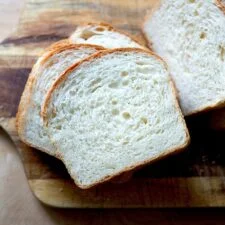
This soft American-style sandwich loaf is made by stirring together a simple dough, then building its structure with stretches and folds rather than kneading. Choose a slow or faster rise to fit your schedule, and you’ll have a tender loaf for sandwiches and toast.
Ingredients
- 500 g, plus extra for dustingbread flour
- 2–8 ginstant yeast
- 10–15 gsalt
- 200 gcold or room-temperature water
- 200 g2% or whole milk
- 57 gmelted butter, salted or unsalted
- as neededsoftened butter or olive oil for greasing
Instructions
- 1
Mix the dough
In a large bowl, whisk together the flour, salt and yeast. Add the water, milk and melted butter, then stir with a spatula until a sticky, shaggy dough forms. Cover and leave to rest for at least 30 minutes and up to 1 hour.
- 2
Stretch and fold
Put water in a small bowl and wet one hand. Grab an edge of the dough, stretch it up and pull it towards the centre; repeat around the dough until it feels smoother and more cohesive. Small bits of butter may firm up in the dough; this is fine.
- 3
Let it rise
Drizzle the dough lightly with olive oil and rub it over the surface. Cover the bowl and leave the dough at room temperature until doubled in volume: this may take 8–10 hours with 2 g yeast or 2–3 hours with 8 g.
- 4
Prepare the pan
Grease a 23 × 13 cm (9 × 5-inch) loaf pan with softened butter or olive oil. Butter is a good choice if you are concerned about sticking; olive oil alone is suitable for a non-stick pan.
- 5
Shape the dough
Deflate the dough by hand or with a flexible bench scraper, then turn it onto a lightly floured surface. Pat it into a rectangle roughly 20 × 41 cm (8 × 16 inches), keeping the width to about 20 cm (8 inches) or less. Starting at a short end, roll it into a tight coil and place it in the prepared pan. Pour 5 ml (1 teaspoon) of olive oil over the top and rub to coat.
- 6
Let it rise
Leave the dough until it rises to the rim of the pan. This can take up to 2–3 hours with 2 g yeast or about 1 hour with 8 g. As the dough nears the rim, heat the oven to 190°C (375°F).
- 7
Bake the loaf
Bake for 45 minutes.
- 8
Cool the bread
Turn the loaf out onto a cooling rack and leave it to cool completely before slicing, if you can. It is easier to cut into thin, even slices once cool.
- 9
Store the loaf
Keep the bread in an airtight bag or container at room temperature for 3–4 days, or freeze it for up to 6 months.
What is soft sandwich bread?
Sandwich bread is a mild, tender loaf shaped in a tin so it slices neatly for everyday sandwiches and toast. This American-style version uses milk and butter for a soft crumb, with a simple method that does not require a mixer or kneading.
The dough’s long rise and stretch-and-fold handling help it become cohesive without conventional kneading. The amount of yeast determines whether you make it as a slow, overnight-style loaf or a quicker bake.
Nutrition and macros by portion
The nutrition label shows one serving as written: 2330 calories, 72g protein, 392g carbs, 55g fat.
| Portion | Adjustment | kcal | Protein | Carbs | Fat |
|---|---|---|---|---|---|
| Lighter | Use less butter | 1631 kcal | 50g | 274g | 39g |
| This serving | As written | 2330 kcal | 72g | 392g | 55g |
| Hungry | Serve a larger slice | 3495 kcal | 108g | 588g | 83g |
The flour supplies most of the carbohydrates, while the butter and milk contribute much of the fat; flour and milk provide most of the protein. Salt contributes a substantial share of the sodium, so use the amount that suits your preference and balance a sandwich with vegetables or salad.
Why the dough feels sticky
High hydration: The dough contains a generous amount of liquid relative to the flour, so it starts out sticky and shaggy. Resist the urge to add lots of extra flour; resting and folding help it come together.
Flour choice: Bread flour is the specified choice and gives the dough structure. Weighing it helps keep the dough consistent, especially when the flour is packed differently from one cup measurement to another.
The stretch-and-fold technique
Wet hand: Dipping your hand in water makes it easier to lift and fold sticky dough without it clinging as much. Work around the dough, pulling each edge towards the centre.
Gentle handling: The aim is to organise the dough into a smoother mass, not to press all the air out. The butter may feel like little firm flecks during folding; carry on as directed.
Choose your rise schedule
Slow rise: Use 2 g of instant yeast for a first rise of 8–10 hours, followed by a second rise of 2–3 hours. This schedule suits mixing the dough in the evening and shaping it the next morning.
Faster rise: With 8 g of instant yeast, the first rise takes 2–3 hours and the final rise about 1 hour. In either case, watch the dough’s volume and position in the pan rather than relying only on the clock.
Shape for an even loaf
Rectangle: Pat the dough to roughly 20 × 41 cm (8 × 16 inches), keeping its width to around 20 cm (8 inches) or less so it fits the tin without being squeezed.
Tight coil: Roll from a short end into a snug cylinder and place it seam-side down in the pan. This gives the loaf an even shape for slicing.
Look for the right proof
Final rise: Let the dough rise until it reaches the rim of the pan before baking. The timing varies with the yeast quantity and room conditions, so use that visual cue as your guide.
Cooling: Leave the loaf on a rack until completely cool if you want thin, uniform slices. Cutting while it is still warm can make the soft interior harder to slice neatly.
Serving ideas
Everyday use: Slice the loaf for sandwiches, toast or simple buttered bread. Its soft texture works well with both savoury fillings and breakfast spreads.
To round out a meal: Pair a sandwich made with the bread with a salad, soup or crunchy vegetables. That adds a fresh contrast to the loaf’s soft, rich crumb.
Recipe notes & tips
- Weigh the flour, salt and yeast for more reliable results.
- If using active dry yeast, sprinkle it over the water and leave it for 15 minutes before continuing.
- Use a wet hand for folding so the sticky dough is easier to handle.
- Keep the shaped dough no wider than about 20 cm (8 inches) so it fits the pan without being compressed.
- Grease the pan thoroughly with butter if you are unsure whether the loaf might stick.
- Cool the loaf fully before slicing if you want thin, tidy slices.
Variations
- Slow-rise loaf: Use 2 g of instant yeast and allow the longer rises described in the method.
- Quicker loaf: Use 8 g of instant yeast to shorten both rises.
- Active dry yeast: Bloom it in the water for 15 minutes before adding the remaining liquid and dry ingredients.
- Fine sea salt: Use it in place of the specified salt, choosing an amount between 10 and 15 g to taste.
- Olive-oil finish: Use olive oil to grease the pan and coat the shaped dough as directed.
Common mistakes to avoid
- Adding too much flour: The dough is meant to be sticky; use only a light dusting on the work surface.
- Rushing the first rise: Wait until the dough has doubled, allowing for the longer timing if using less yeast.
- Skipping the folds: Fold around the dough with a wet hand until it changes from shaggy to more cohesive.
- Making the rectangle too wide: Keep it to about 20 cm (8 inches) across so it fits the loaf pan.
- Baking before the final rise: Let the dough reach the rim of the pan before putting it in the oven.
- Slicing while warm: Cool the loaf completely for more even slices.
How to store
Store the loaf in an airtight bag or container at room temperature for 3–4 days. Freeze it for up to 6 months; thaw before serving, or toast slices from frozen.
Frequently asked questions
Can I use active dry yeast instead of instant yeast?
Yes. Sprinkle it over the water and leave it to bloom for 15 minutes before proceeding with the recipe.
How long does the dough take to rise?
With 2 g of instant yeast, the first rise takes 8–10 hours and the final rise 2–3 hours. With 8 g, the first rise takes 2–3 hours and the final rise about 1 hour.
Why is the dough so sticky?
That is expected for this high-hydration dough. The rest and folds help it become smoother and more cohesive, so avoid adding extra flour unless needed to dust the work surface.
When is the loaf ready for the oven?
Bake once the dough has risen to the rim of the loaf pan. The time needed depends on the amount of yeast and your room conditions.
Can I use a different loaf pan?
A 23 × 13 cm (9 × 5-inch) pan is ideal for the recipe. If using another pan, make sure the shaped dough fits without being squashed.
How should I slice the bread neatly?
Let it cool completely on a rack before slicing. The cooled loaf is easier to cut into thin, even slices.
Cook it from the original
This recipe comes from alexandracooks.com. Their page has the author’s own photos, notes and tips — the best place to cook it from.
Open the recipe on alexandracooks.com