
Coconut Cake | Recipes
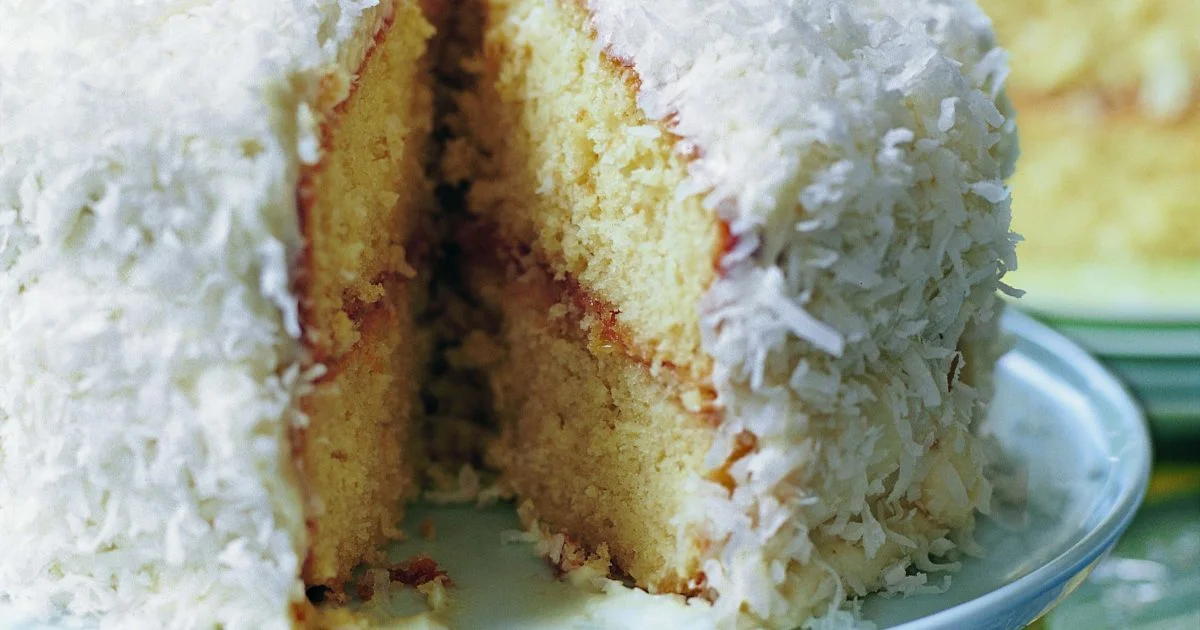
This is a two-layer coconut cake with a soft, buttery crumb, cream cheese frosting and coconut pressed over the top and sides. It suits birthdays and other gatherings, and its almond and vanilla extracts add depth to the coconut flavour.
Ingredients
- 340 g (¾ pound; 3 sticks), plus extra for greasingunsalted butter, at room temperature
- 400 g (2 cups)granulated sugar
- 5 extra-largeeggs, at room temperature
- 7.5 ml (1½ teaspoons)vanilla extract
- 7.5 ml (1½ teaspoons)almond extract
- 375 g (3 cups), plus extra for the pansplain flour
- 5 ml (1 teaspoon)baking powder
- 2.5 ml (½ teaspoon)bicarbonate of soda
- 2.5 ml (½ teaspoon)kosher salt
- 240 ml (1 cup)milk
- 113 g (4 ounces)sweetened shredded coconut, for the batter
- 454 g (1 pound), at room temperaturecream cheese
- 227 g (½ pound), at room temperatureunsalted butter
- 3.75 ml (¾ teaspoon)vanilla extract
- 1.25 ml (¼ teaspoon)almond extract
- 454 g (1 pound), siftedicing sugar
- 170 g (6 ounces)sweetened shredded coconut, for decorating
Instructions
- 1
Prepare the pans
Heat the oven to 180°C (350°F). Grease two 23 cm (9-inch) round cake tins and line them with baking parchment. Grease the parchment, then dust the tins lightly with flour.
- 2
Cream the butter
Using a stand mixer with a paddle attachment, beat the butter and sugar at medium-high speed for 3–5 minutes, until pale and fluffy. Crack the eggs into a small bowl, then add them to the mixer one at a time on medium speed, scraping down the bowl once. Mix in the vanilla and almond extracts. The mixture may look curdled; continue without concern.
- 3
Combine the batter
Sift the flour, baking powder, bicarbonate of soda and salt together in a separate bowl. With the mixer on low, add the dry mixture and milk in three alternating additions, starting and finishing with the dry ingredients. Mix only until combined, then fold in 113 g (4 ounces) of coconut with a rubber spatula.
- 4
Bake the cakes
Divide the batter evenly between the two tins and smooth the tops with a knife. Bake in the centre of the oven for 45–55 minutes, until the tops are browned and a cake tester comes out clean. Cool the cakes on a wire rack for 30 minutes, then turn them out onto the rack to cool completely.
- 5
Make the frosting
With a paddle attachment and the mixer on low, combine the cream cheese, butter, vanilla and almond extract. Add the icing sugar and mix just until smooth; do not whip.
- 6
Assemble the cake
Set one cake layer on a flat serving plate with its top facing down and spread frosting over it. Place the second layer on top with its top facing up, then frost the top and sides. Sprinkle coconut over the top and gently press more onto the sides. Serve at room temperature.
What is coconut cake?
Coconut cake is a celebratory layer cake in which coconut flavours the sponge and often decorates the frosting. This American-style version pairs shredded coconut with a rich butter cake and a cream cheese icing.
The method works by creaming the butter and sugar for lift, then mixing the flour in gently to keep the crumb tender. Almond extract gives the coconut a rounded, fragrant note.
Nutrition and macros by portion
The nutrition label shows one serving as written: 900 calories, 12g protein, 100g carbs, 52g fat.
| Portion | Adjustment | kcal | Protein | Carbs | Fat |
|---|---|---|---|---|---|
| Lighter | Smaller cake slice | 630 kcal | 8g | 70g | 36g |
| This serving | As written | 900 kcal | 12g | 100g | 52g |
| Hungry | Larger cake slice | 1350 kcal | 18g | 150g | 78g |
The flour, sugar and icing sugar provide most of the carbohydrates, while butter and cream cheese contribute much of the fat. Eggs, milk and cream cheese supply some protein. Serve a modest slice with fresh berries, or pair it with a less rich dish to balance the plate.
Choosing the coconut
In the batter: sweetened shredded coconut adds chew and a distinct coconut flavour throughout the sponge. Fold it in at the end so it stays evenly distributed without overworking the mixture.
For the finish: use the remaining coconut to cover the top and sides. Press it on lightly so it adheres to the frosting without flattening the cake.
Getting a tender sponge
Creaming: beat the butter and sugar until pale and fluffy, allowing 3–5 minutes as directed. Add the eggs gradually and scrape the bowl once so the mixture combines evenly.
Mixing: alternate the dry ingredients with the milk, beginning and ending with the flour mixture. Stop once the batter is combined; prolonged mixing can make the baked cake less tender.
Checking when it is baked
Colour: the cake tops should be browned after 45–55 minutes in the centre of a 180°C oven. Ovens vary, so use the stated time as a guide rather than relying on colour alone.
Tester: push a cake tester into the centre; it should come out clean. Let the cakes cool in their tins for 30 minutes before turning them out, then cool them completely before frosting.
Making smooth frosting
Room-temperature ingredients: softened cream cheese and butter combine more readily and help avoid lumps. Mix them with the extracts on low speed before adding the sifted icing sugar.
Gentle mixing: stop as soon as the frosting is smooth. Whipping it can make it looser, which makes assembling and covering the cake harder.
Layering and serving
First layer: place it top-side down on the serving plate for a steady base, then spread it with frosting. Set the second layer top-side up so the finished cake keeps a gently rounded top.
Serving: bring the assembled cake to room temperature before serving, as directed. It works well with tea or coffee, or alongside fresh berries to add a tart contrast.
Recipe notes & tips
- Bring the butter, eggs and cream cheese to room temperature before mixing.
- Scrape down the mixer bowl once while adding the eggs, as directed.
- Weigh the flour for a more consistent batter.
- Let both cake layers cool fully before spreading on the frosting.
- Keep the frosting mixer on low and stop as soon as it looks smooth.
- Press the decorating coconut onto the sides gently so the frosting stays in place.
Variations
- Toasted coconut: toast some of the decorating coconut and let it cool before using for a nuttier finish.
- Citrus note: add finely grated lemon zest to the batter for a fresh contrast.
- Berry filling: spread a thin layer of raspberry jam between the cake layers with the frosting.
- Plain vanilla: omit the almond extract if you prefer a less pronounced almond flavour.
- Unsweetened coconut: use unsweetened shredded coconut for a less sweet coconut coating.
Common mistakes to avoid
- Overmixing the batter: stop as soon as the flour is incorporated to help keep the cake tender.
- Adding cold eggs: let them come to room temperature so they blend into the creamed mixture more easily.
- Frosting warm layers: cool the cakes completely first, or the frosting may soften and slide.
- Whipping the frosting: mix only until smooth, as the method specifies, to avoid making it loose.
- Skipping the tester: check the centre of each cake with a cake tester before taking it out of the oven.
- Turning out too soon: leave the cakes in their tins for 30 minutes before transferring them to a rack.
How to store
Store the frosted cake covered in the refrigerator for up to 4 days. Bring slices to room temperature before serving for a softer texture; avoid warming the whole cake, as the frosting can soften.
Frequently asked questions
Can I make the cake layers ahead?
Yes. Once completely cool, wrap the layers well and keep them at room temperature for a short period or freeze them for longer storage. Thaw frozen layers before assembling.
Why does the batter look curdled after adding the eggs?
The mixture can look curdled at this stage, and the method notes that this is not a problem. Continue with the recipe and add the dry ingredients and milk as directed.
How can I tell when the cake is done?
The tops should be browned, and a cake tester inserted into the centre should come out clean. The recipe gives a baking time of 45–55 minutes.
Do the cakes need to be fully cool before frosting?
Yes. Cool them in the tins for 30 minutes, turn them out onto a rack and wait until they are completely cool before assembling.
Can I use desiccated coconut instead of shredded coconut?
You can, but the finer texture may give a different result in the sponge and as a coating. Use the same stated weight and expect a less distinct shredded texture.
Should I serve the cake chilled?
The recipe says to serve it at room temperature. If it has been refrigerated, allow the slices to lose their chill before serving.
Cook it from the original
This recipe comes from barefootcontessa.com. Their page has the author’s own photos, notes and tips — the best place to cook it from.
Open the recipe on barefootcontessa.com