
Spinach Filled Filo Triangles
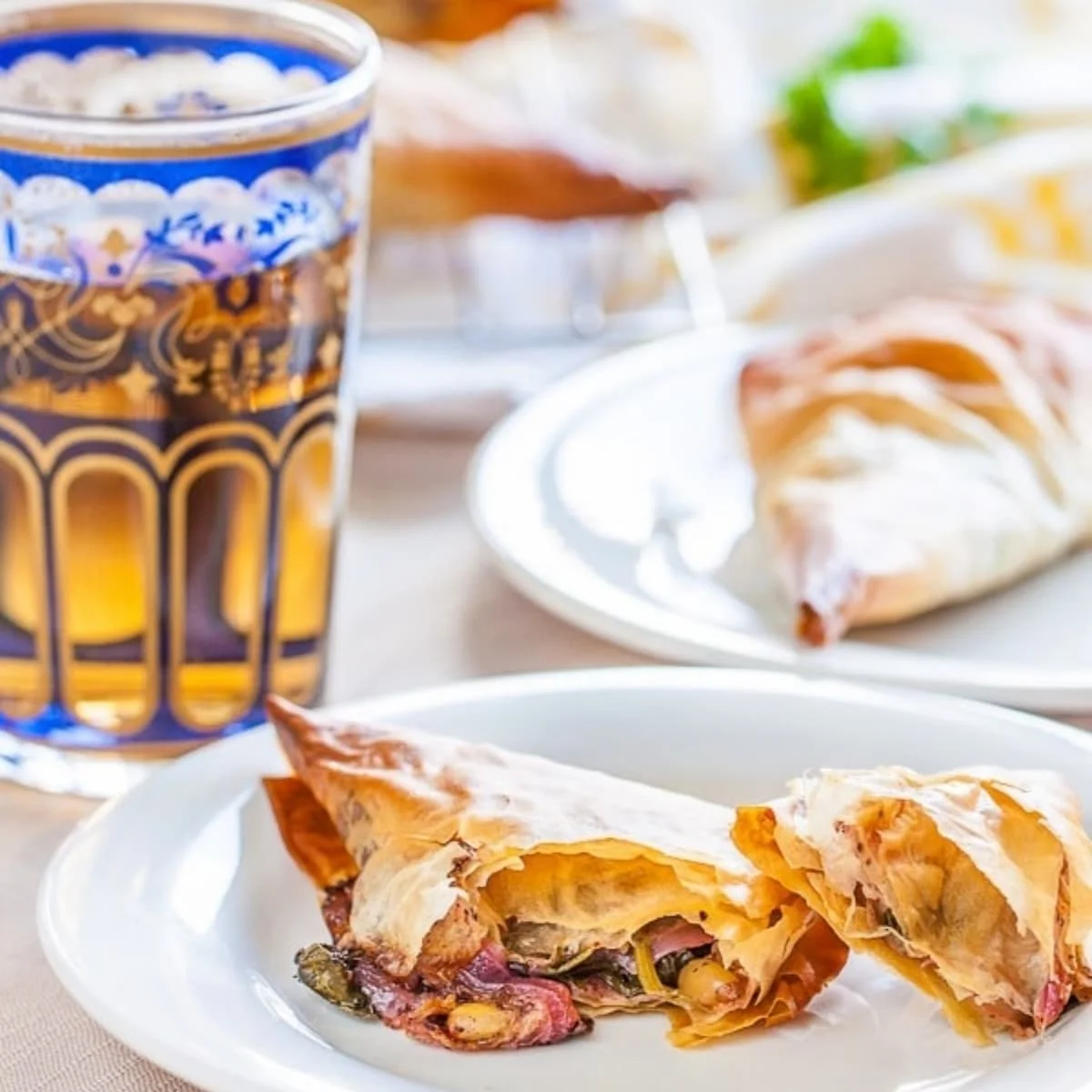
These crisp filo triangles are filled with spinach, onion, lemon, sumac and toasted pine nuts. They make a handy vegetarian appetiser or snack, and the filling can be prepared while the oven heats.
Ingredients
- 150 g (5 cups)spinach leaves, washed and drained, stalks removed and cut into thin slices
- 60 ml (4 tbsp)olive oil
- 1 mediumred onion, chopped
- 2spring onions, finely chopped, whites only
- Juice of 1lemon
- 15 ml (1 tbsp)sumac
- 5 ml (1 tsp)ground nutmeg
- 70 g (½ cup)toasted pine nuts
- To tastesalt and pepper
- 12 sheetsfilo pastry
- 113 g melted (½ cup) butter and 60 ml (¼ cup) extra olive oil, mixedbutter and olive oil for brushing the pastry
Instructions
- 1
Cook the filling
Heat 60 ml (4 tbsp) olive oil in a large frying pan over a medium heat. Sauté the onions until soft, then take the pan off the heat and add the spinach, spring onions, lemon juice, sumac, nutmeg, salt and pepper. Once the spinach has wilted, transfer the mixture to a colander to drain and cool slightly. When cool, remove it from the colander, add the pine nuts and toss together. Taste and adjust the seasoning as needed.
- 2
Prepare the pastry
Preheat the oven to 190°C (375°F) and cut the 12 filo sheets in half. Take one sheet from the stack and cover the rest with a clean tea towel so they do not dry out.
- 3
Fold the triangles
Brush the filo sheet with the butter and oil mixture, then fold it in half lengthways and brush it again. Place a heaped spoonful of filling near a corner at one of the short ends. Fold the corner over the filling, alternating the direction of the folds to form a triangle. Brush once more with the butter and oil mixture and place on a baking tray lined with baking paper. Repeat with the remaining pastry and filling.
- 4
Bake until golden
Bake the triangles for 15–20 minutes, until crisp and golden.
What are spinach filo triangles?
These are small savoury pastries made by wrapping a seasoned spinach filling in thin sheets of filo and baking them until crisp. Filo-wrapped pies and pastries are enjoyed across parts of the eastern Mediterranean and Middle East, with fillings and shapes varying from place to place.
Here, lemon and sumac bring a bright, tangy note, while toasted pine nuts add richness and crunch. Folding the pastry into triangles makes the filling easy to portion and the finished pastries simple to share.
Nutrition and macros by portion
The nutrition label shows one serving as written: 500 calories, 10g protein, 75g carbs, 16g fat.
| Portion | Adjustment | kcal | Protein | Carbs | Fat |
|---|---|---|---|---|---|
| Lighter | Use less pastry brushing | 350 kcal | 7g | 53g | 11g |
| This serving | As written | 500 kcal | 10g | 75g | 16g |
| Hungry | Serve extra triangles | 750 kcal | 15g | 113g | 24g |
The filo pastry supplies most of the carbohydrates, while the olive oil and butter used in the filling and for brushing contribute much of the fat. Spinach and pine nuts provide some protein, with pine nuts also adding fat. Serve a few triangles with a generous salad or vegetable soup to round out the plate.
Building the filling
Onions: soften them in the olive oil first, then take the pan off the heat before adding the spinach and seasonings. The residual warmth wilts the leaves without prolonged cooking.
Seasoning: lemon juice and sumac give the spinach a tart edge, while nutmeg adds warmth. Pine nuts go in after the filling cools so they keep some of their texture.
Drain the spinach well
Draining: wilted spinach releases liquid, so give the filling time in a colander before wrapping it. Excess moisture can make the filo soggy and harder to crisp.
Cooling: let the mixture cool slightly before adding the pine nuts and shaping the pastries. This also makes the filling easier to handle.
Keep filo pliable
Covered sheets: filo dries quickly when exposed to air, so keep the unused pastry beneath a clean tea towel as you work. Take out one sheet at a time.
Brushing: coat the sheet with the butter and oil mixture, fold it lengthways and brush again as directed. Work gently, since filo can tear if pulled or handled roughly.
Fold and bake
Folding: place the filling near a corner at the short end, then fold the corner over it and continue alternating the direction of the folds. Keep the filling enclosed as you shape each triangle.
Doneness: bake at 190°C for 15–20 minutes. The pastries are ready when their surfaces look golden and feel crisp.
Serve them warm
These triangles work as a snack, appetiser or part of a vegetarian spread. Serve them warm, when the filo is at its crispest.
For a fuller meal, pair them with a simple salad or a bowl of soup. If serving as part of a spread, offer them alongside other small savoury dishes.
Recipe notes & tips
- Drain the wilted spinach thoroughly before wrapping the filling.
- Keep the filo sheets you are not using covered with a clean tea towel.
- Brush each sheet evenly so the pastry browns across its surface.
- Use a heaped spoonful of filling near the short end, leaving room to fold it in.
- Taste the filling before shaping and adjust the seasoning as needed.
- Bake until the triangles are golden and crisp, checking from 15 minutes onwards.
Variations
- Add herbs: Stir chopped fresh herbs into the cooled filling.
- Use walnuts: Replace the pine nuts with toasted chopped walnuts.
- Add feta: Crumble feta into the cooled spinach mixture for a saltier filling.
- Bring more heat: Add chilli flakes to the filling to give it a little warmth.
- Change the seasoning: Use a little extra lemon and sumac for a sharper, tangier taste.
Common mistakes to avoid
- Wet filling: Drain the wilted spinach well so moisture does not soften the filo.
- Dry pastry: Keep the unused sheets covered while you shape each batch.
- Torn filo: Handle the sheets gently and brush them without pulling or pressing hard.
- Overfilled triangles: Use a heaped spoonful near the corner and fold the pastry securely around it.
- Pale pastry: Bake until the triangles are golden and crisp, allowing up to 20 minutes.
How to store
Cool the triangles and store them in an airtight container in the fridge for up to 3 days. Reheat in an oven until hot and crisp; the filo may soften if reheated in a microwave.
Frequently asked questions
Can I make the filling ahead?
Yes. Prepare it in advance, drain it well and keep it covered in the fridge. Add the pine nuts once the filling has cooled.
How do I stop the filo sheets drying out?
Cover the unused sheets with a clean tea towel and take out one sheet at a time.
Can I freeze the triangles?
The recipe does not specify freezing. For the crispest texture, bake and serve them fresh, or refrigerate leftovers and reheat them in the oven.
How can I tell when they are done?
They should look golden and feel crisp after 15–20 minutes in the 190°C oven.
What can I serve with them?
Serve them as an appetiser or snack, or pair them with salad or soup for a more substantial meal.
Can I use the green parts of the spring onions?
The recipe calls for the whites only. For the closest result, use just the finely chopped white parts.
Cook it from the original
This recipe comes from deliciouseveryday.com. Their page has the author’s own photos, notes and tips — the best place to cook it from.
Open the recipe on deliciouseveryday.com