
Vegan Brioche
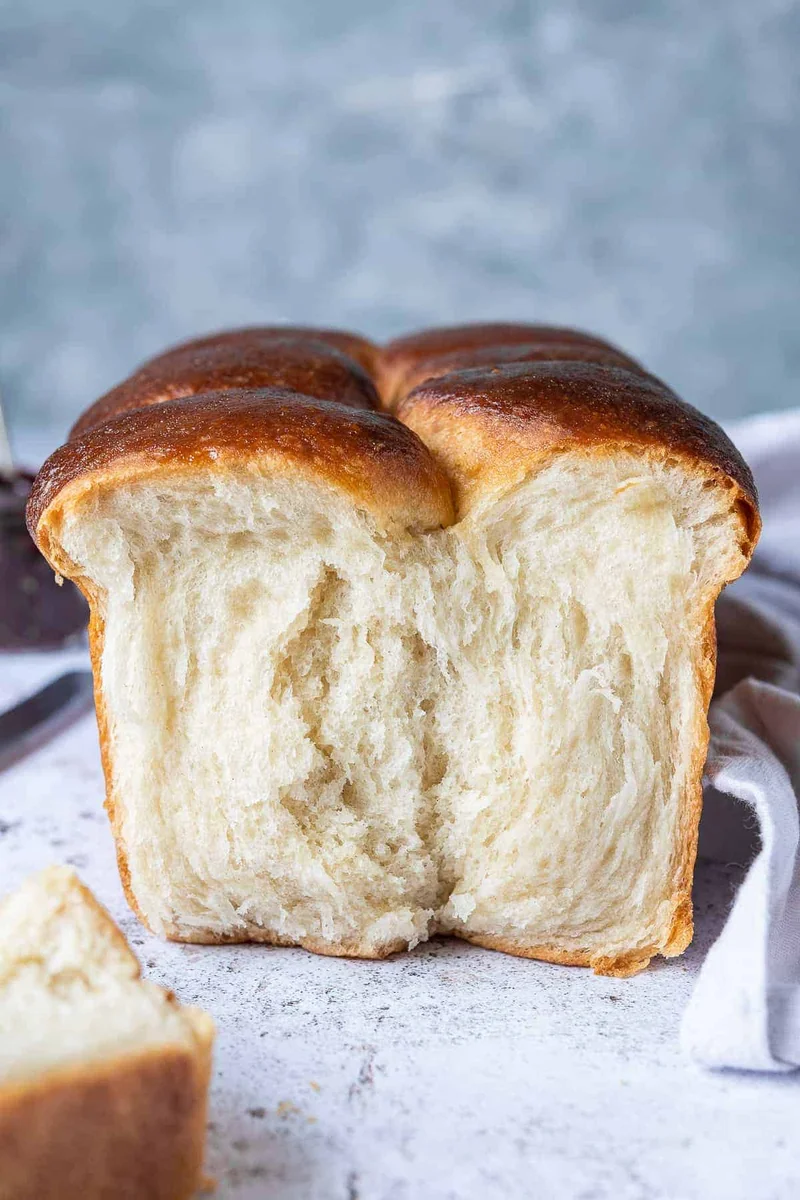
This soft, enriched vegan brioche uses aquafaba instead of eggs and can be made with vegan block butter or mild olive oil. An overnight rise builds flavour and makes it a lovely loaf for breakfast, brunch or sharing.
Ingredients
- 300 gwhite bread flour
- 200 gplain flour
- 10 gfast-action or instant yeast
- 50 gcaster sugar
- 1 tspsalt
- 120 mlaquafaba, from 1 tin of chickpeas
- 200 mlunsweetened non-dairy milk, preferably soy
- 1 tbspvanilla extract
- 200 g vegan block butter (not spreadable) OR 160 ml mild olive oilvegan block butter or mild olive oil
- 1 tbspnon-dairy milk
- 1 tbspmaple syrup
- 1/2 tspsunflower or vegetable oil
Instructions
- 1
Mix dry ingredients
The day before baking, put both flours in the bowl of a stand mixer fitted with a dough hook. Add the yeast to one side and the salt and sugar to the other, then mix to combine.
- 2
Make the dough
Add the aquafaba, milk and vanilla and stir until a rough dough forms. Knead at medium speed until smooth and elastic, or knead by hand on an unfloured surface.
- 3
Add the fat
Add the softened butter or olive oil and mix until incorporated and the dough is smooth again; it will be soft and sticky. Mixing in the fat by hand can be easier: use a bowl rather than a work surface for olive oil. Keep working the dough until the fat is fully mixed in, even if it looks as though it will not come together.
- 4
Chill overnight
Continue kneading until the dough pulls cleanly away from the sides of the bowl, although it will remain soft and sticky. Put it in a bowl, cover and leave to rise in the fridge overnight.
- 5
Prepare the tin
The next day, the dough should have at least doubled in size. Line a 2–2 1/2 lb loaf tin with baking parchment; the tin should be at least 11.5 x 21.5 cm, and a 13 x 23 cm tin also works.
- 6
Choose a shape
Punch down the dough. Shape it as one loaf, or divide it into 6 or 8 equal pieces for a pull-apart loaf; 8 pieces are preferred.
- 7
Shape the balls
For each piece, pull the edges towards the centre and pinch them together. Turn it over onto a lightly floured surface, cup your hand around it and roll gently to make a smooth ball. Repeat with the remaining pieces.
- 8
Arrange in tin
Place the balls in two rows in the lined loaf tin, squeezing them together as needed to fit.
- 9
Proof the loaf
Cover the tin loosely and leave the dough to rise until doubled, about 1–2 1/2 hours depending on the room temperature. It is ready when puffy and a gentle finger press springs back slowly. If it springs back quickly, leave it longer; if it deflates, punch it down, reshape it and let it rise again.
- 10
Heat and glaze
As the loaf nears the end of its rise, heat the oven to 180°C. Whisk together the milk, maple syrup and oil in a small bowl.
- 11
Brush the loaf
When the dough is ready, brush it gently with some of the glaze. Avoid letting glaze run down the sides, as it can stick the loaf to the tin and hinder its rise in the oven.
- 12
Bake until done
Bake for 20 minutes, then brush with more glaze. Reduce the oven to 160°C and bake for another 25–30 minutes, until the centre reaches 94°C on a probe thermometer. Without a thermometer, check that a skewer inserted in the centre comes out clean. If the top darkens too much before the loaf is ready, cover it loosely with foil.
- 13
Cool and store
Leave the loaf in the tin for 15 minutes, then turn it out onto a wire rack and cool completely before slicing. Store the cooled loaf in an airtight container.
What is vegan brioche?
Brioche is a French enriched bread, traditionally made with eggs and butter for a tender, rich crumb. This plant-based version uses aquafaba in place of eggs and offers either vegan block butter or olive oil.
The long, chilled rise gives the dough time to develop flavour and makes it easier to handle. Shaping it into separate balls creates a loaf that can be pulled apart.
Nutrition and macros by portion
The nutrition label shows one serving as written: 3600 calories, 65g protein, 440g carbs, 160g fat.
| Portion | Adjustment | kcal | Protein | Carbs | Fat |
|---|---|---|---|---|---|
| Lighter | Use olive oil | 2520 kcal | 46g | 308g | 112g |
| This serving | As written | 3600 kcal | 65g | 440g | 160g |
| Hungry | Larger slice | 5400 kcal | 98g | 660g | 240g |
The flour and sugar provide most of the carbohydrates, while the butter or olive oil supplies most of the fat; the flour and soy milk contribute some protein. Since the listed yield is one serving for the whole loaf, the estimate reflects the full recipe; for a more balanced plate, serve a slice with fruit and a protein-rich accompaniment such as soy yoghurt.
Choosing the flour and fat
Flour blend: bread flour supplies strength, while plain flour keeps the crumb tender. The dough is meant to be soft and sticky, so resist adding extra flour as you mix.
Working in the fat
Butter or oil: vegan block butter should be softened, not melted, and spreadable products are not suitable here. Olive oil makes a softer, stickier dough, so it can be easier to work it in by hand in a bowl.
Patience: the fat may seem reluctant to combine at first. Keep kneading until the dough looks smooth again and pulls away from the bowl.
Shaping a pull-apart loaf
Smooth balls: pinch each piece closed underneath, then roll it gently on a lightly floured surface. A taut, smooth outside helps the portions hold their shape as they rise.
Room in the tin: arrange the balls in two rows and let them touch or press together. Use a tin no smaller than 11.5 x 21.5 cm so the dough has space to expand.
Knowing when it is proved
Rise time: enriched dough can take 1–2 1/2 hours to double after shaping, depending on warmth. Judge it by its appearance and feel rather than the clock alone.
Finger test: a gentle press should spring back slowly. A quick rebound means it needs more time, while dough that collapses under the touch has risen too far.
Glazing and baking
Light coating: brush the top carefully and keep glaze from running down the sides, where it can glue the loaf to the tin. Brush again after the first 20 minutes of baking.
Doneness: bake at 180°C for 20 minutes, then at 160°C for 25–30 minutes more. The centre should reach 94°C, or a skewer should come out clean; loosely cover the top with foil if it browns too quickly.
Serving ideas
Enjoy slices plain, toasted or with a plant-based spread and jam. The gently sweet, vanilla-scented crumb also pairs well with fresh fruit at breakfast or brunch.
Recipe notes & tips
- Use unsweetened soy milk if available, as it is the preferred option in the recipe.
- Keep the yeast, salt and sugar on separate sides of the bowl before mixing.
- Work the butter or oil in patiently; the dough can look very sticky before it becomes smooth.
- Use a loaf tin at least 11.5 x 21.5 cm to give the dough enough room.
- Check the centre temperature with a probe thermometer if you have one.
- Cool the loaf completely before slicing so the crumb can set.
Variations
- Olive oil: replace the vegan block butter with 160 ml mild olive oil.
- Whole loaf shape: shape all the dough into one loaf instead of dividing it into portions.
- Pull-apart style: divide the dough into 6 or 8 portions and arrange them in two rows.
- Different plant milk: use another unsweetened non-dairy milk if soy milk is unavailable.
- Vanilla note: omit the vanilla extract for a less aromatic loaf.
Common mistakes to avoid
- Adding flour too soon: the dough is meant to be soft and sticky, so knead it longer before considering any adjustment.
- Rushing the fat: keep working until it is fully incorporated and the dough becomes smooth again.
- Using a small tin: choose one at least 11.5 x 21.5 cm so the loaf can expand.
- Under-proofing: wait for the shaped dough to double and spring back slowly after a gentle press.
- Glaze running down the sides: brush lightly over the top to reduce sticking in the tin.
- Over-browning: loosely cover the loaf with foil if the top darkens before the centre is baked.
How to store
Once completely cool, keep the loaf in an airtight container. Reheat slices briefly in a toaster or warm oven; avoid storing it while still warm, as trapped steam can soften the crust.
Frequently asked questions
Can I use olive oil instead of vegan butter?
Yes. Use 160 ml mild olive oil in place of 200 g vegan block butter. The dough may be easier to mix by hand in a bowl.
Can I make the dough by hand?
Yes. Knead it on an unfloured surface until smooth and elastic, then work in the softened butter or oil until fully combined.
How long should the second rise take?
Allow about 1–2 1/2 hours, depending on how warm the room is. Look for dough that has doubled and springs back slowly after a gentle press.
How do I know the brioche is baked through?
The centre should reach 94°C on a probe thermometer. Otherwise, insert a skewer into the centre; it should come out clean.
Can I shape it as one loaf?
Yes. After punching down the dough, shape it into a single loaf and place it in the lined tin instead of making individual balls.
Why is the dough so sticky?
This enriched dough is naturally soft and sticky, particularly after the fat is added. Continue kneading until it pulls away from the bowl; it will not become firm like a lean bread dough.
Cook it from the original
This recipe comes from domesticgothess.com. Their page has the author’s own photos, notes and tips — the best place to cook it from.
Open the recipe on domesticgothess.com