
Rich Tomato and Olive ‘Bread Soup’
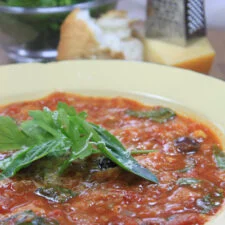
This hearty tomato and olive bread soup turns stale ciabatta into a thick, comforting meal, brightened with fresh herbs and finished with Pecorino. It is a practical way to make a generous pot of soup from cupboard staples.
Ingredients
- 3 tbspolive oil
- 1onion, finely chopped
- 4 clovesgarlic, crushed
- 1chilli, deseeded and chopped (optional)
- 3 × 400 g canswhole peeled tomatoes in juice
- 750 ml (3 cups), plus extra if the soup is too thickgood-quality chicken or vegetable stock
- 3 tbsptomato purée
- 2 tbspbalsamic vinegar
- 2 tbspbrown sugar
- To tastesea salt and freshly milled black pepper
- 6 slicesstale ciabatta, broken into pieces
- A handfulbasil, roughly chopped
- A handfulparsley, roughly chopped
- 1 × 200 g packetKalamata olives, pitted and halved
- As much as you likePecorino cheese, grated, for serving
- To tasteextra-virgin olive oil, for serving
Instructions
- 1
Soften the aromatics
Heat the olive oil in a saucepan and sauté the onion, garlic and chilli until soft and fragrant. Add the tomatoes and warm them briefly. Stir in the stock, tomato purée, balsamic vinegar and sugar, then season with sea salt and freshly milled black pepper. Cover, bring to the boil, lower the heat and simmer for 30 minutes.
- 2
Add the bread
Add the ciabatta pieces to the soup, cover and simmer for a further 15–20 minutes. If the soup becomes too thick, loosen it with extra hot stock. Take the pan off the heat and stir in the fresh herbs and olives.
- 3
Finish and serve
Ladle the soup into deep bowls. Top with grated Pecorino and drizzle with extra-virgin olive oil.
What is tomato and olive bread soup?
Bread soups have roots in several European cooking traditions, where stale bread is simmered with broth or vegetables to make a filling dish. This tomato-rich version takes inspiration from Mediterranean flavours, pairing ciabatta with olives, basil and salty Pecorino.
The bread softens into the tomato broth, making the soup substantial rather than simply a bowl of vegetables. Balsamic vinegar and brown sugar round out the tomatoes, while the herbs and olives bring freshness and savoury depth.
Nutrition and macros by portion
The nutrition label shows one serving as written: 300 calories, 9g protein, 42g carbs, 12g fat.
| Portion | Adjustment | kcal | Protein | Carbs | Fat |
|---|---|---|---|---|---|
| Lighter | Use less oil and Pecorino | 210 kcal | 6g | 29g | 8g |
| This serving | As written | 300 kcal | 9g | 42g | 12g |
| Hungry | Add another slice of ciabatta | 450 kcal | 14g | 63g | 18g |
The ciabatta, tomatoes and brown sugar provide most of the carbohydrates, while olive oil and olives contribute much of the fat. The stock, bread and Pecorino provide some protein, though the cheese amount varies by serving. Pair a bowl with a green salad or extra vegetables for a more balanced plate.
Building the tomato base
Aromatics: Give the onion, garlic and optional chilli time to soften in the oil before adding the tomatoes. This helps their flavours infuse the base without browning them heavily.
Tomatoes: Whole peeled tomatoes break down as the soup simmers. A brief warm-through before adding the stock gives them a head start, while tomato purée adds extra concentration.
Why stale ciabatta works
Stale bread: Drier bread absorbs broth readily and holds together better than very fresh bread. Break it into manageable pieces so it can soften throughout the soup.
Bread stage: Add the ciabatta only after the tomato base has simmered for 30 minutes. The following 15–20 minutes lets the pieces become tender and thicken the soup.
Getting the consistency right
Thickening: The bread will soak up liquid, so the finished soup is meant to be much thicker than a clear broth. Stir gently after adding it to help the pieces distribute without mashing them completely.
Adjusting: If the soup seems too dense, add extra hot stock a little at a time. Taste again afterwards, as added liquid can soften the seasoning.
Balancing the flavours
Sweet and sharp: Brown sugar offsets the acidity of the tomatoes, while balsamic vinegar adds a tart, rounded note. Season the base to taste, bearing in mind that the olives and Pecorino add saltiness later.
Fresh finish: Stir in the basil and parsley after removing the pan from the heat. This keeps their flavour lively instead of simmering it away.
Serving the soup
Toppings: Grated Pecorino and a drizzle of extra-virgin olive oil finish each bowl with savoury richness. Add the cheese to taste, since the olives already contribute a briny note.
On the side: The bread makes this soup filling on its own, but a crisp green salad is a fresh contrast. Serve promptly while the soup is hot and the herbs still smell fragrant.
Recipe notes & tips
- Use hot extra stock to thin the soup without cooling it down.
- Taste the broth before adding extra salt, as the olives and Pecorino are salty.
- Roughly chop the herbs so they are easy to stir through and eat.
- Break the ciabatta into similar-sized pieces for more even softening.
- Keep the chilli out for a milder soup, or leave some seeds in for more heat.
Variations
- Use vegetable stock: Choose it instead of chicken stock for a vegetarian version.
- Change the olives: Use another pitted olive variety if Kalamatas are unavailable.
- Adjust the heat: Omit the chilli for a gentler flavour or add it to taste.
- Add greens: Stir in a handful of spinach with the herbs for extra colour.
- Try another cheese: Finish with grated Parmesan if you do not have Pecorino.
Common mistakes to avoid
- Adding fresh bread: It can turn very soft quickly; stale ciabatta gives the soup a sturdier texture.
- Simmering the herbs: Their fresh flavour fades with prolonged cooking; add them after taking the pan off the heat.
- Adding all the extra stock: Too much can make the soup thin; add it gradually only if needed.
- Over-salting early: Olives and Pecorino bring saltiness; season the base carefully and taste again at the end.
- Skipping the simmer: The 30-minute tomato simmer lets the flavours develop before the bread goes in.
How to store
Refrigerate leftovers in a covered container for up to 3 days. Reheat gently in a saucepan, adding a splash of stock or water if the bread has thickened the soup further; add fresh toppings when serving.
Frequently asked questions
Can I make this soup ahead?
Yes, but the bread will continue to absorb liquid as it stands. Keep extra stock handy and stir some in when reheating if needed.
Can I use fresh ciabatta?
You can, although it may soften more quickly and make the soup less structured. If possible, leave the slices out to dry for a while before breaking them up.
How can I make it vegetarian?
Use vegetable stock instead of chicken stock. Check that the Pecorino suits your dietary requirements, or leave it off.
What should the finished texture be?
It should be thick and spoonable, with tender pieces of bread in a tomato base. Add hot stock gradually if it is thicker than you like.
Can I freeze the soup?
It can be frozen, though the bread may become softer after thawing. Freeze in an airtight container, thaw in the fridge and reheat gently with extra stock if needed.
Cook it from the original
This recipe comes from crushmag-online.com. Their page has the author’s own photos, notes and tips — the best place to cook it from.
Open the recipe on crushmag-online.com